People who are not at all happy about the approach of the cold dark season might wish to hibernate until spring, just like bears or groundhogs do. But it turns out that nature is not so simple. Here are some facts about hibernation that you probably didn't know.
What is hibernation?
Everyone has heard of bears sleeping in their dens during winter. But in reality, bears and other hibernating species do not actually sleep during the cold season. Hibernation (the scientific term for winter sleep) is an extended form of torpor, a state in which metabolism is reduced to less than 5% of normal.
“Most physiological functions in this state are extremely slowed down or completely stopped,” says Marina Blanco from the Lemur Center in Durham, North Carolina, who studies dwarf lemurs (Cheirogaleus spp.), the only primates that hibernate on a regular schedule.
For example, when lemurs are hibernating, their heart rate drops from 300 beats per minute to 6. And instead of breathing every second, they can go up to 10 minutes without taking a single breath. Their brain activity becomes undetectable, which is very different from sleep, when the brain still performs unconscious functions.
Why do animals hibernate?
“Simply put, hibernation is a way to conserve energy,” explains Kelly Drew, a neuropharmacologist at the University of Alaska in Fairbanks, who studies the brain chemistry of hibernating Arctic ground squirrels (Spermophilus parryii).
Although hibernation is most often considered a seasonal behavior, it can be related to meteorological phenomena. For example, there are tropical species that can enter a “sleep mode” to survive the heat. But temperature is not the only possible factor. Some species hibernate in response to food shortages. For instance, the Australian echidna can do this after fires and remain in this state until food resources are restored.
Recent studies have also identified a third reason. It is protection. “When you hibernate, you do not emit scent, make noise, or move, so it is very difficult for a predator to detect you,” says Thomas Ruf, a professor of physiology at the University of Veterinary Medicine in Vienna. His work has shown that the mortality rate of some small mammals is five times higher during the active period than during hibernation.
What happens to an animal in hibernation?
To slow down metabolism, animals cool their bodies by an average of 5–10 °C, and Arctic ground squirrels even lower than freezing point. Studies have shown that cooling is likely regulated by adenosine levels in the brain.
However, species do not remain in their comatose state for the entire hibernation period. About 80% of their energy is spent on periodic awakenings and warming up. “Why this happens is one of nature's greatest mysteries,” says Ruf. Some scientists believe that this way they support their immune system to fight diseases.
Unfortunately, these awakenings are becoming a threat to species survival in the context of climate change. Due to rising ambient temperatures, animals remain active longer than usual during awakening periods, depleting their energy reserves.
Which animals hibernate?
One bird and many amphibians, reptiles, and insects exhibit states similar to hibernation. There is also one fish that slows its metabolism in winter, becoming 20 times less active — the Antarctic cod.
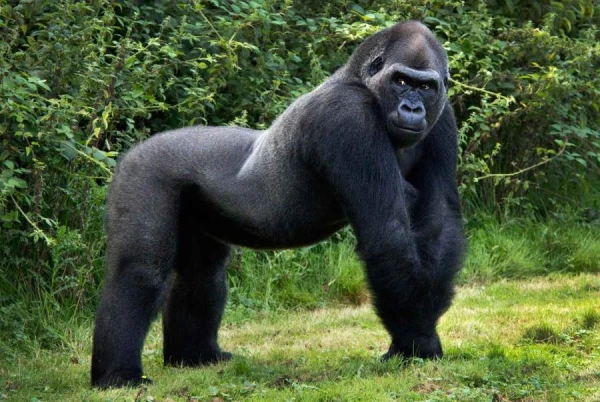
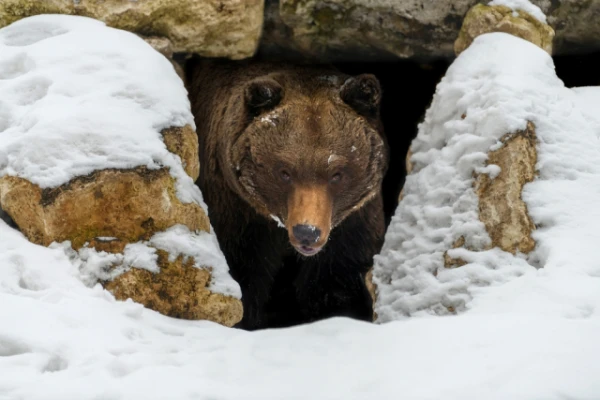
And, of course, mammals. While bears may be the first that come to mind, they are an exceptional case. Most hibernating mammals are much smaller — their average weight is only 70 grams. This is because small bodies have a high surface area-to-volume ratio, making them more susceptible to heat loss. To retain heat in cold weather, they need seasonal energy conservation much more than larger animals.
Who hibernates the longest?
An obvious candidate for the longest hibernation prize would be the edible dormouse (Glis glis). These rodents can remain inactive for more than 11 months. To withstand such a “pause,” they must double or even triple their body weight while active.