
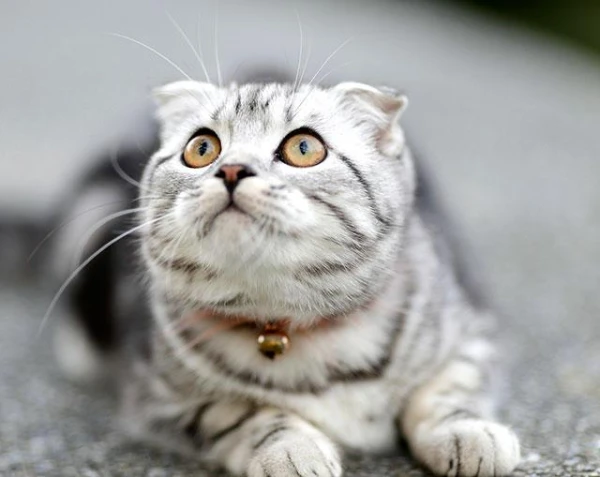
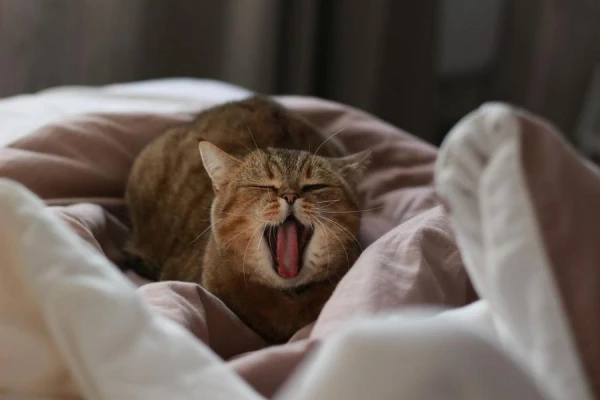
The image of a happy cat savoring milk can be misleading. Such a pet is likely to soon face bloating, diarrhea, vomiting, and other unpleasant consequences.
Most cats, like many adult mammals, are lactose intolerant. This is due to a lack of enzymes necessary for its breakdown. Undigested lactose passes through the cat's digestive tract, absorbing water from the intestines. In rare cases, this can lead to dehydration and even death of the pet.
Cats are attracted to the taste of milk because it contains a lot of fat. They will drink it even if it causes digestive upset. Pets that receive a balanced diet do not need additional fats, as this can lead to obesity.
If a cat has no negative reaction, it can be offered whole, skimmed, or lactose-free milk, but only in small amounts (no more than two to three tablespoons a day). Some specialists believe that cream and goat's milk are preferable to cow's milk, as they contain less lactose.
Kittens, contrary to popular belief, should also not be given cow's milk. Although they can digest lactose, its content in cow's milk is almost three times higher than the level of lactose in the milk of their mother cat.
If small kittens are growing up without their mother, feeding them cow's milk is a bad idea. Orphans will not receive the necessary nutrients and may die from malnutrition. It is better to purchase special "kitten milk replacers" at a pet store. These substitutes contain the optimal amount of proteins, fats, and vitamins that promote the normal development of small pets.









Leave a comment