

Domestic cats do not always lead an exclusively indoor lifestyle: some go outside, especially those living in private homes, while others spend their entire lives outdoors.
Cats do not only feed on leftovers from humans; as true predators, they also hunt. There are many semi-wild cats on the planet, and some ecologists even conduct special studies to assess the ecological damage caused by cats (by the way, similar calculations are also made for dogs).
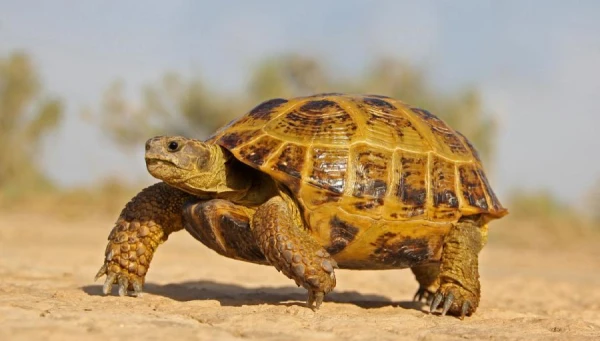
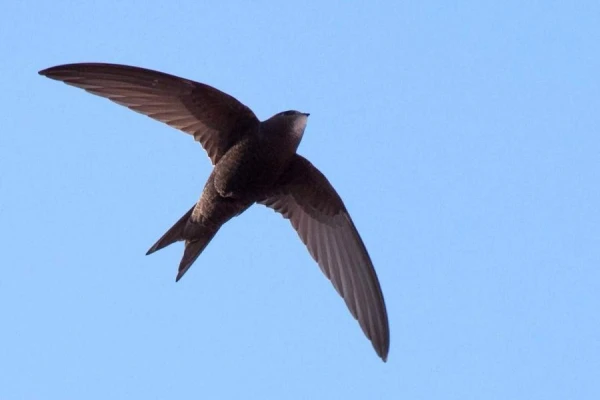
What do cats hunt? We usually imagine a cat catching a mouse or a bird. It’s easy to picture a cat with a dragonfly in its mouth. However, it is harder to envision a cat hunting a frog. Nevertheless, free-roaming cats are not very picky about food. The authors of a recent study published in Nature Communications aimed to determine what proportion of the diet of domestic cats consists of various classes of animals. Birds topped the list at 47%, followed by reptiles at 22%, and mammals at 21%; insects made up 6%, and amphibians 3%. Protected species accounted for 17%.
The researchers did not observe hunting cats themselves but used data from other works on this topic, meaning that the article on the diet of semi-domestic cats is a meta-analysis. The calculated percentages pertain to 2084 species of animals. More thorough observations of cats are likely to change these figures. However, if anyone is seriously concerned about the impact of cats on biodiversity, there is a simple way to improve the situation that would satisfy both cats and their owners: two years ago, we wrote that to reduce the number of small animals falling victim to cats, it is necessary to play with them more and feed them better.









Leave a comment