A new study conducted by ecologists and biologists from the University of Newcastle in Australia and the German Centre for Integrative Biodiversity Research (iDiv) has revealed interesting feeding habits of the Australian mosquito Mimomyia elegans.
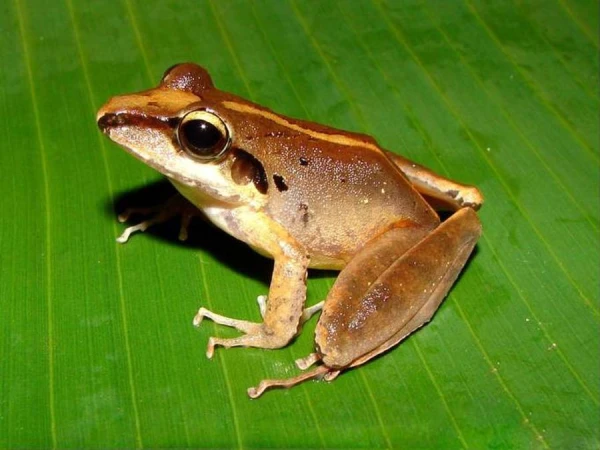
In a recent study published in the journal Ethology, scientists John Gould and Jose Valdez presented the results of a three-year observation (from 2020 to 2022) of frogs and Australian mosquitoes Mimomyia elegans. They studied the frogs in a pond on Kuragang Island and took numerous photographs of the amphibians in their natural habitat.
When analyzing the images in the laboratory, the researchers noticed a very specific feeding strategy in Mimomyia elegans. These mosquitoes almost always chose to feed on the upper part of the frog's snout — the nose area.
For mosquitoes, this is quite a risky spot, as the nose is in close proximity to the frog's sticky tongue. Nevertheless, observations showed that some insects initially landed on the backs of the amphibians and then cautiously moved towards the snout.
Why the Nose?
According to the scientists, mosquitoes prefer to suck blood from the frog's nose because the skin in this area is particularly soft and thin, making it easier to pierce. Additionally, there is a higher density of blood vessels in this spot in frogs.
The researchers emphasize that their observations contribute to a better understanding of mosquito feeding habits and their impact on frog populations. Previous studies have shown that mosquitoes can carry a deadly fungus for frogs.
The team also noted that the bloodsuckers often landed on the golden bell frog (Litoria aurea), which is endangered.
In conclusion, the scientists state the need for further research to determine why Mimomyia elegans specifically targets the nose. This will help better understand disease transmission and potentially open new avenues for conservation strategies.