
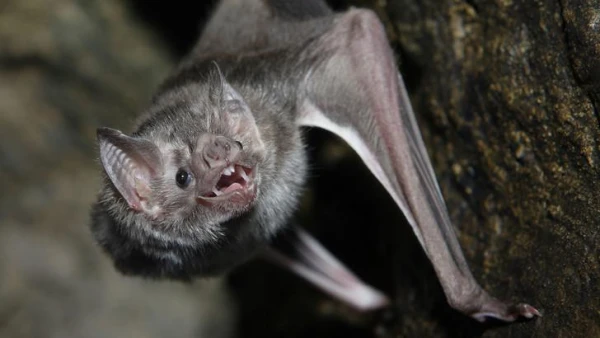
Bats evoke fear in some people, traditionally associated with epidemics, but these animals are actually a unique product of evolution. Their ability to carry dangerous viruses is explained not by mystical properties but by millions of years of adaptation.
Winged Evolutionary Laboratory
Bats have existed for over 50 million years — a sufficient time to form complex relationships with pathogens. During this time, they have developed unique mechanisms to coexist with viruses, including Ebola, Nipah, SARS-CoV-2, and rabies pathogens, notes Professor Jim Wellehan from the University of Florida. 5 facts about bats
“Infectious diseases are the main driver of evolution. Bats are not ‘special’ — they have simply interacted with pathogens longer than others and have developed protective mechanisms,” explains Wellehan.
The ability to fly has become a key factor in the evolution of bats. It expands the distribution ranges of bats, accelerates the transmission of pathogens between colonies, and social behavior enhances viral exchange. At the same time, the intense metabolism of flight has likely contributed to the development of effective antiviral defense systems, writes Phys.org.
Why Diversity Saves Species
“If we analyze our genomes, it becomes clear: natural selection primarily favors immunity genes. Bats have created an impressive genetic arsenal due to constant contact with new pathogens,” the professor believes.
Genetic diversity provides bat populations with a “buffer” — there are always individuals with resistance to new threats. However, although bats have developed resistance to many viruses, they are vulnerable to some of them:
Lyssaviruses

Fungal infections, such as white-nose syndrome

Anthropogenic impacts
According to scientists, the disruption of ecological balance has become the main catalyst for zoonotic jumps. But instead of demonizing bats, we should recognize their crucial ecological role. Bats control insect populations, pollinate plants, and serve as models for studying antiviral defense. Preserving these amazing creatures is not just an ecological task but an investment in our own biosecurity.











Leave a comment