
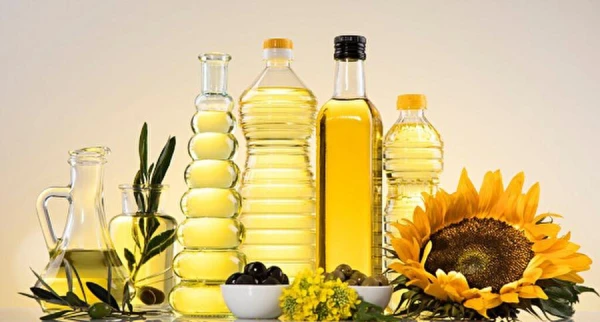
Oil is an indispensable assistant in the kitchen. We use it daily, but even with such a familiar product, mistakes can be made. Let's consider the main misconceptions that each of us faces when choosing and using oil for frying, baking, and dressing salads.
Choosing Oil with the Wrong Smoke Point
Before purchasing oil, be sure to check its smoke point online. Oils with a smoke point above 200 degrees are ideal for frying, while oils with a smoke point up to 200 degrees can be used for baking. Oils with a lower smoke point (130-180 degrees) are best used only in cold dishes.
Using unsuitable oils for frying can lead to the release of harmful substances, including carcinogens, and can spoil the taste of the dish.
The best oils for frying are mustard, avocado, grapeseed oil, and ghee.
Buying Oil in Transparent Packaging
Many oils are prone to oxidation when exposed to light. These include, for example, flaxseed, sesame, olive, pine nut, canola, and sea buckthorn oils. After oxidation, the oil loses its beneficial properties and acquires a rancid taste.
Plastic packaging can also negatively affect the quality of the oil. Although some types of oils are rarely found in glass containers, try to choose such options. Storing oil in plastic can lead to the presence of microplastics, the effects of which on the body are not fully understood, so it is better to minimize this exposure.
The optimal packaging for oil is a dark bottle. When stored properly in a dark place and at a temperature of up to 25 degrees, oils can retain their properties for about two years.
Ignoring the Omega-3 to Omega-6 Ratio in Oil
Different oils have different ratios of beneficial fatty acids omega-3, 6, and 9. Urban dwellers typically have an excess of omega-6 and a deficiency of omega-3.
According to the recommendations of the World Health Organization, the ratio of omega-3 to omega-6 fatty acids in the diet should be 1:2–1:5, meaning that omega-6 should be consumed 2–5 times more than omega-3. Omega-9 is produced by our body.
A deficiency of omega-3 can lead to decreased performance, weakened immune system, impaired vision, as well as muscle weakness and joint pain.
The best omega-3 to omega-6 ratio is found in flaxseed, canola, hemp, pine nut, camelina, and mustard oils.
Not Paying Attention to the Composition of the Oil
On store shelves, you can find mixtures of refined and unrefined oils. For example, olive oil “for frying” may be a blend with unrefined oil that has a low smoke point, which can lead to smoking during frying.
Oils with additives, such as pepper, truffle, or lemon, which are intended only for specific dishes, are also common. Carefully study the label on the bottle before purchasing.
Buying Refined Oil Instead of Unrefined Oil
It is recommended to choose unrefined oil, which retains the maximum amount of beneficial properties for both cooking and cold dishes. Refined oils are stripped of all impurities, including beneficial ones, and contain significantly fewer essential fatty acids. If you need to fry at high temperatures and avocado or mustard oil is too expensive, you can use refined sunflower oil, but keep in mind that its benefits will be minimal.












Leave a comment