

On April 4, Orthodox churches honor the martyr Basil of Ancyra, who lived in the 4th century. In the folk calendar, this day is known as Vasily the Warm. The name is not accidental: it is at this time that people begin to feel the arrival of spring. The sun's rays bring hope for a better future. To make it joyful, loaves in the shape of the sun were baked.
On April 4, Orthodox Christians commemorate the martyr Basil of Ancyra, who lived in Galatia. After receiving an education as a physician, he treated physical ailments. Later, becoming a priest, he began to heal souls. For his faith in Jesus Christ, he fell into disfavor and was executed by order of Emperor Julian the Apostate.
Folk Calendar: Vasily the Warm
In the folk tradition, the holiday dedicated to the martyr Basil of Ancyra had various names. In some regions, he was called Vasily the Warm, in others — Vasily the Sunflower, and in yet others — Vasily the Dripper or simply Vasily.
In the past, on Vasily the Warm, women baked loaves in the shape of the sun. They would start the day with them. In the morning, families would go to church to pray to the martyr Basil of Ancyra and ask for his help in raising children, who were the hope of every parent. The martyr Basil helped the sick, the weak, and the lost, who did not know which path to choose in life.
Vasily the Warm: What Can Be Done
The loaves baked by housewives at dawn were to be given to the poor. The baked goods were shared in pieces and offered not only to people sitting on the church steps but also to relatives and neighbors. The more pieces distributed on this day, the greater the chances for a successful year.
On Vasily the Warm, divination was also practiced. The main divination was related to the sun. It was believed that if there were many red circles around it at sunrise, a good harvest could be expected in the summer.
Vasily the Warm could indicate where future buildings should not be constructed: a house, a shed, or a bathhouse. This was determined by the drops falling from the roofs and forming streams. Places where melted water pooled were avoided, knowing that nothing should be built there.
Vasily the Warm: Folk Signs
In the morning, peasants looked at the sky. If they saw blue clouds, they understood that the coming days would be warm but rainy. To find out what the summer would be like, they would go to the forest to the anthills.
The elders said: if the snow melts from the northern side, the summer will be long and warm. If from the southern side — short and cold. Cats could tell what to expect in the coming hours. If they were sleeping all the time, it meant that one should prepare for a cold snap.
The drops heard on Vasily the Warm became the basis for the saying: “Vasily the Dripper has tired out winter.”
Vasily the Warm: What Should Not Be Done
The holiday named after Vasily the Warm has its own prohibitions. Knowledgeable people claimed that during this time, it was not allowed to take out the trash, as one could accidentally throw away good luck, without which no family could live prosperously. On Vasily the Warm, it was also forbidden to:
Wash and hang wet laundry outside — evil spirits might cling to it and later enter the house.
Sew, knit, and embroider — this prohibition applied to girls, who might “stitch” their future happiness.
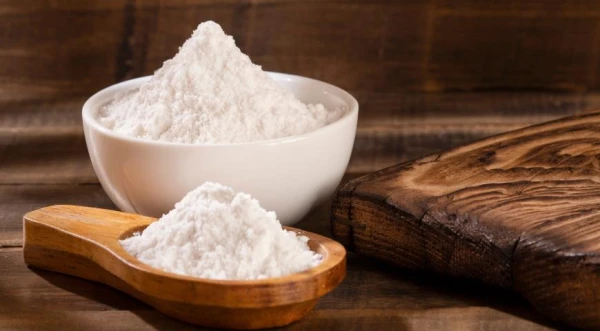
Borrow flour — it would lead to long sufferings and sorrows.
Laugh loudly — it could attract the attention of evil spirits who would come from all sides.
Kill spiders — there is a risk of being left without money.
On Vasily the Warm, housewives did not prepare a lot of food, knowing that it might either burn or spoil quickly. These actions also fell into the category of prohibitions.











Leave a comment