Such a conclusion was made by the Roman emperor who taxed public toilets.
The Roman Emperor Vespasian inherited a country that had suffered greatly from civil war, and he had to demonstrate outstanding management skills and statecraft to restore the empire.
The urgent need to replenish the state treasury forced Vespasian to introduce various taxes and to strictly punish fellow citizens for attempts to evade payment, which led to an ironic and sarcastic attitude among the Romans towards their emperor, whom dissatisfied citizens sometimes accused of lacking intelligence.
However, it is worth noting that Vespasian, using modern terminology, "implemented a balanced tax policy," ensuring that taxes were not overly burdensome for the provinces while still generating revenue for the treasury through relatively light taxes.
One of his innovations was an unprecedented tax on "latrines" — public toilets. History attributes to Vespasian remarkable resourcefulness and a great sense of humor, which saved him on more than one occasion.
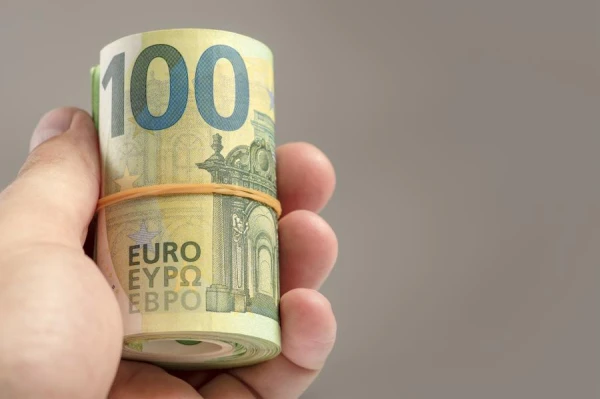
This was also the case when his son Titus, deeply outraged by such an undignified way of replenishing the budget, reproached his father. The emperor, unfazed, made his son smell the money obtained from the new tax and asked if it had a smell. Upon receiving a negative answer, Vespasian remarked to Titus with surprise: "Strange, for it comes from urine." Thus, the "urine tax" became the reason for the emergence of one of the most famous phrases non olet pecunia — "money has no smell."