On March 8, Orthodox churches remember John the Baptist, to whom the holiday of the Discovery of the Head of John the Forerunner is dedicated. In the folk calendar — Ivanov Day. Our ancestors avoided preparing dishes from poultry, lighting bonfires, and arguing with loved ones during this time.
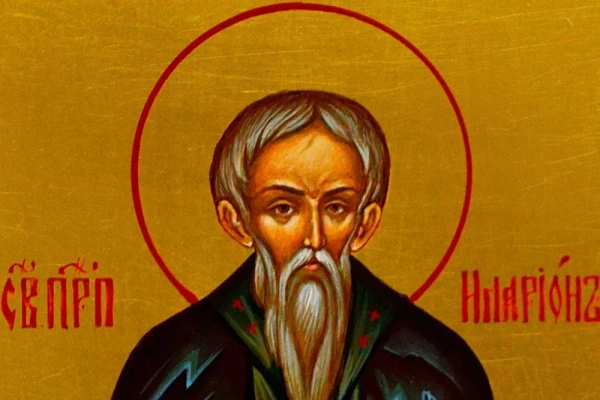
On March 8 (on leap years — March 9 in non-leap years), the Orthodox Church celebrates an important holiday — the day of the Discovery of the Head of John the Baptist, also known as John the Forerunner. This saint, one of the most revered, predicted the coming of Jesus Christ and baptized him in the Jordan River.
John the Forerunner
John the Forerunner, also known as John the Baptist, is considered the precursor to Jesus Christ, who foretold his coming.
He chose a path of abstinence and spent most of his life in the wilderness, dedicating himself to prayer and fasting. The Forerunner preached baptism and was able to persuade people both with words and deeds.
According to sacred texts, John the Forerunner baptized Jesus Christ in the waters of the Jordan. He met a martyr's death, becoming a victim of the intrigues of the Jewish queen Herodias, the wife of Herod, and her daughter Salome.
Folk Calendar: Ivanov Day
The holiday dedicated to John the Forerunner is called “Ivanov Day” or “Discovery.” The second name is associated with a miracle: the head of the Baptist, which was hidden by order of Herodias, was seen by Christians three times — in the 4th, 5th, and 9th centuries. On March 8, Orthodox Christians remember the first and second discoveries of the head. The third discovery of the head of John the Forerunner is celebrated on June 7.
For our ancestors, Ivanov Day was associated with the return of birds from warm regions. Among the first to arrive were storks and larks, which became symbols of luck, prosperity, and family happiness.
On this day, they also welcomed the arrival of the starlings. Special “houses” were built for them, which later became known as birdhouses, where seeds were placed. These birds, considered protectors of the fields, were under protection, and they were associated with hope for a good harvest.
Ivanov Day: What Needs to Be Done
The holiday has many traditions. One of the main ones is related to church rituals. Our ancestors began the day with prayers, remembering the earthly path of John the Baptist and his feats.
One can turn to the saint with a request for help in maintaining peace and tranquility, in raising children, as well as in relieving headaches. It is believed that John the Forerunner helps people suffering from alcoholism to overcome this dependency.
A dream on the night of March 8 can open one’s eyes to matters that are perceived incorrectly, show the true value of those around, and suggest how to get rid of problems.
The saint is considered the patron of fishermen. Therefore, in ancient times on Ivanov Day, men would definitely go fishing, while women prepared fish soup from the fresh catch. To ensure that the next year would be successful in all respects, each family member had to try a dish made from fish.
Ivanov Day: Folk Omens
People with life experience knew: if it snows on Ivanov Day, the same weather can be expected in April, and Easter will be cold. “If the day is snowy, then in April it will be snowy too, and if it is bare, then in April it will be bare,” the wise ones would say. If it is warm and sunny on March 8, it heralds a warm April.
If the tits start singing on Ivanov Day — it means warmth is coming. However, if their songs sound mournful and prolonged, it means the birds are suffering from hunger. In such cases, efforts were made to help them by setting up feeders.
If larks and storks arrive on Ivanov Day, a rich harvest can be expected in the summer. By the way, seeing a stork was considered a very good omen, meaning that a child would appear in the family.
Ivanov Day: What Cannot Be Done
One of the main prohibitions of Ivanov Day is washing. Women knew that hanging laundry to dry could scare away birds and drive them away from the yard. These chores were postponed to another time.
It was believed that on Ivanov Day, evil spirits roamed around people, capable of bringing misfortunes and troubles. Therefore, protective charms were hung in homes, and closer to evening, efforts were made to avoid leaving the house. On Ivanov Day, it is forbidden to:
Light bonfires — leads to family scandals and domestic troubles.
Tread on snowdrifts — leads to confusion in affairs.
Prepare dishes from poultry — leads to loss of luck and finances.
Cut down trees — leads to misfortune.
Argue and quarrel with relatives — leads to illness and financial problems.
Consume alcohol — may lead to harmful dependency.
Girls were forbidden to braid their hair on Ivanov Day, fearing to weave misfortune into their fate. Our ancestors knew that during this time, it was necessary to avoid sharp objects, dancing, and merriment, as it was through these means that the treacherous Herodias caused the downfall of John the Forerunner.