
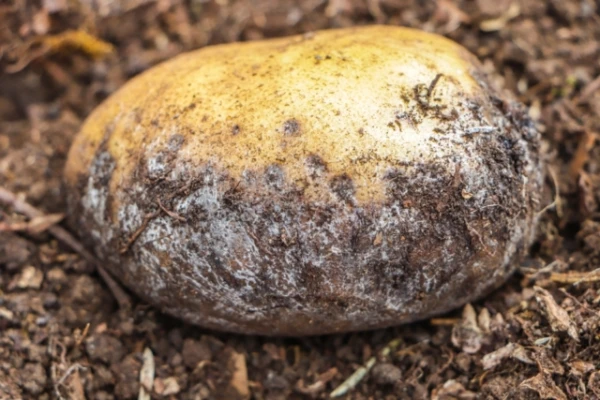
A genetic study conducted by scientists at North Carolina State University has definitively resolved a century-and-a-half-long debate about the origin of late blight — the disease that caused, among other things, the potato famine of the 1840s in Ireland.
Analysis of the whole-genome sequences of Phytophthora infestans and six closely related species showed that the pathogen does not originate from Mexico, as some researchers had suggested, but from the Andes, where potato was first domesticated. The Andean species P. andina and P. betacei turned out to be the closest relatives of the pathogen, and active gene exchange is still occurring between them, creating an evolutionary "melting pot" of new strains. The divergence of the common ancestor from the Mexican lineage occurred about 5,000 years ago.
The study also showed that it is in the Andes that wild potato varieties with genes for resistance to late blight have been preserved. By 2026, the first field trials of varieties into which these genes have been transferred using cisgenetics without the use of foreign DNA are demonstrating nearly 100% protection.
The discovery has direct practical significance: the established source of the pathogen suggests where to look for means against it. Now breeders are purposefully working with the Andean gene pool to increase the resistance of crops to late blight, which continues to affect the harvests.














Leave a comment