
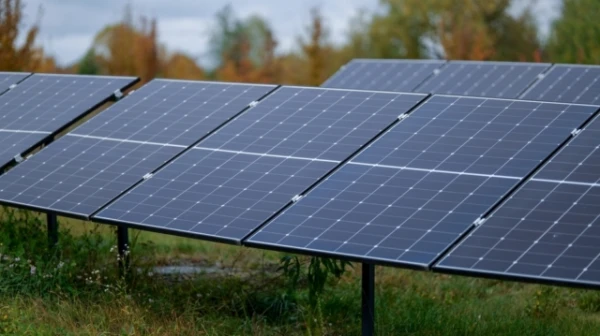
In the Mojave Desert near the largest solar project in the U.S., Gemini, something unexpected happened: the population of the rare plant—three-veined milk vetch—grew from 12 to 93 specimens.
The builders did not remove the topsoil, preserving the natural terrain and drainage, leaving the seed bank hidden in the sand untouched. The panels created a special microclimate: partial shading slowed evaporation, and water runoff from the structures further moistened the rows. As a result, the plants in the aisles between the panels turned out to be larger, bloomed three weeks earlier, and produced eight times more flowers and ten times more fruits than their counterparts outside the fence.
Survival rates remained the same; however, the seeds retained a 100% germination rate thanks to their hard shell—an adaptation to infrequent rains.
The Gemini project has become an example of ecovoltaics, where a solar farm does not destroy nature but helps to preserve it. If this strategy proves effective in dry years, it could change the approach to the placement of solar power plants across the country. For now, the case with the milk vetch shows: the desert can simultaneously provide energy and preserve flowers.









Leave a comment