

On February 28, Orthodox churches commemorate the apostle Onisim, who lived in the early 1st millennium. In the folk calendar, this day is called Onisim the Shepherd. Our ancestors supported relatives and friends who found themselves in difficult situations on this day, but categorically refused to lend them money.
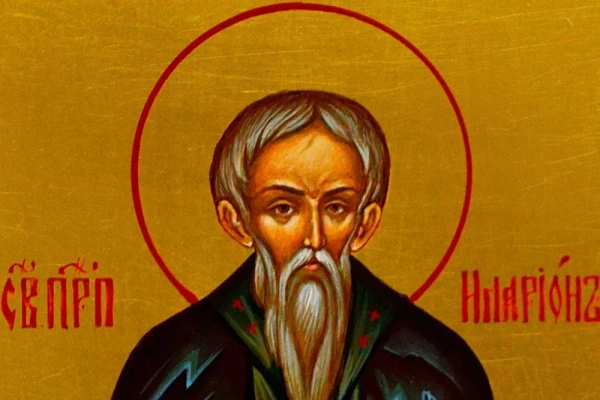
On February 28, Orthodox Christians commemorate the apostle from the seventy, Onisim, who lived in the 1st century. According to traditions, he was a slave of a wealthy Christian named Philemon. One day, having committed a crime against his master, Onisim, fearing punishment, fled to Rome. However, he was arrested and imprisoned there. The fate of the fugitive remained unknown until he met the apostle Paul, which changed his life.
The apostle wrote a letter to Philemon asking him to forgive Onisim. The master not only fulfilled the request but also freed the slave. Onisim was baptized and, after gaining his freedom, began to preach Christianity beyond Byzantium, where he was born.
It is known that Onisim did not die a natural death but became a victim of torture and torment inflicted upon him by the Roman governor. This punishment was prompted by his preaching of the Gospel and the conversion of many people, including the wife of his own brother, to Christianity.
Folk Calendar: Onisim the Shepherd
The folk holiday dedicated to the holy apostle Onisim had various names in the past. In some regions, it was called “Onisim the Winter Fighter” or simply “Winter Fighter,” while in others it was known as “Onisim the Shepherd,” “Onisim the Sheepfold,” or “Onisim the Dawn.” People believed that at this time winter was losing its strength and associated this event with Vlasyev Day, when winter lost its first horn.
Old proverbs dedicated to the holiday include: “The field is unmeasured, the sheep are uncounted, the shepherd is horned”; “One shepherd pastures a thousand sheep”; “The sheep ran across the Kalinov Bridge, saw the dawn, and jumped into the water.”
People knew: after Onisim the Shepherd, winter loses its strength, and there is no need to fear it anymore. However, spring can be challenging at this time, as it has to fight for its rights.
Onisim the Shepherd: What Can Be Done
What can be done is not a guide to action, but what was considered mandatory or desirable for people in ancient times when they believed in signs, rituals, and spells.
On Onisim the Shepherd, it was customary to visit the church — this was how people began their day, regardless of their place of residence or social class. Apostle Onisim is considered the patron of sheep and shepherds, so people asked for his help in caring for animals. At this time, lambs were born, requiring special attention.
Shepherds on this day would “call” the stars, hoping for a healthy and numerous offspring. In the evening, men would go out into the yard and bow three times in all four directions, saying: “Shine, bright star, for the joy of the baptized world. Illuminate, bright star, with the unquenchable fire of the white-yar sheep. Just as there are countless stars in the sky, may there be more sheep born than that.”
Rituals aimed at future luck were performed not only by shepherds but also by women engaged in handicrafts. Choosing the best ball of wool or threads, they would display them outside, hoping it would help in their craft.
On Onisim the Shepherd, seeds were taken out into the frost three times. It was believed that the morning dawn would strengthen them, and the sprouts would be excellent. This ritual was called “to dawn the yarn.”
On Onisim the Shepherd, lavish feasts were arranged. Relatives and neighbors were invited. Hostesses tried to please everyone, as the more delicious dishes there were on the table, the more abundant and generous the whole year would be. Special attention was given to guests who found themselves in a difficult financial situation; they were generously fed and watered.
Onisim the Shepherd: Folk Signs
The signs of the holiday are also related to sheep. For example, the best gift on Onisim was considered to be one made of sheepskin, which guaranteed luck for both the giver and the recipient.
There are also signs concerning the weather. If a bright moon shone on the night of Onisim, it foretold frosts. A red-orange sunset indicated that strong snowstorms would begin in a few days. This was also reported by foxes that barked in the forest. The weather on Onisim predicted what to expect in September.
Onisim the Shepherd: What Should Not Be Done
The main prohibitions of the day concern money, plans, and promises. On February 28, people knew that at this time it was forbidden to:
Share plans — they will not come true.
Make promises and believe in the promises of others — the words will turn out to be empty.
Argue with close relatives — it leads to illness.
Hurt pets, especially sheep. They may start to get sick.
On Onisim the Shepherd, it was strictly forbidden to lend money. Not only might it not return to its owner or be delayed on the way, but it could also permanently ruin relationships with those who were helped.
Folk signs that have come down from the depths of the ages are full of superstitions and paganism. Following them is certainly not mandatory. That would be absurd. Modern people have different values and guidelines. However, knowing how our ancestors lived, why they acted in certain ways, what they feared, and what they rejoiced in is not entirely useless.











Leave a comment