
Nature gives us not only amazing viruses but also substances that strengthen immunity — adaptogens. Many of them are known to you, and now is the time to remember them.
In the mid-20th century, Russian scientist N.V. Lazarev discovered that some natural compounds have a powerful tonic effect and significantly improve the adaptation of the human body to adverse conditions. These substances stimulate the central nervous system, help eliminate fatigue and irritability, restore and enhance physical and mental performance, activate immunity, and improve metabolism. Plants containing such substances are called adaptogens, and today they are consumed not only in raw form but also in the form of infusions, extracts, tablets, and other medicinal forms. Adaptogens strengthen the body to such an extent that it can cope with diseases on its own.
Eleutherococcus
Eleutherococcus senticosus is one of the most well-known adaptogenic plants. In Russia, it is found in the east, particularly in the Primorsky Krai and Sakhalin. Most often, a dark liquid extract made from its roots is produced with 40% alcohol, which has a bitter taste, as well as tablets that are taken for a course of at least a month. The beneficial properties of eleutherococcus are quite diverse — from treating colds and strengthening the respiratory system to improving hearing and erectile function. Agree, there is something energetic in its name.
Black chokeberry
The berries known as chokeberries are familiar to us from childhood — those who have tried black chokeberry will forever remember its taste. It is indeed very beneficial: it contains a lot of vitamin C, flavonoids with P-vitamin activity, carotenoids, and various micro- and macroelements. It contains up to 40% iodine! An infusion made from chokeberry berries is recommended for gastritis, atherosclerosis, diabetes, burns, and vitamin deficiency, as well as for recovery after radiation therapy. As can be seen, this plant helps in the fight against many diseases.
Ginseng
The tonic properties of ginseng have been known since ancient times — three thousand years ago in the East and Asia, healers used it to restore exhausted and weak individuals, calling ginseng the “root of life.” The mystery of the healing root was unraveled by scientists only in the 20th century: saponin glycosides-ginsenosides, essential oils, peptides, vitamins, and minerals contained in the plant form a unique combination. Ginseng provides strength, raises blood pressure, as well as mental and physical performance, lowers cholesterol and glucose levels in the blood. In general, it is a wonderful adaptogen gifted by nature.
Aloe
Throughout our lives, we irritably moved pots with grandmother's aloe, only to find out that it is not just a succulent, but a biogenic stimulant! The substance allantoin, which is part of it, is even included in the WHO list of local anesthetics, astringents, and anti-inflammatory agents. Aloe effectively heals wounds, burns, and various inflammatory skin diseases. It is used externally, and for rinsing the mouth in cases of stomatitis, laryngitis, and pharyngitis, a 50% aqueous solution of aloe juice is used.
Garlic
It is no wonder that our ancestors treated themselves with garlic — it really helps in the fight against colds and promotes quick recovery after them. In addition, garlic bulb extract is a recognized medicinal remedy with adaptogenic, tonic, and antimicrobial properties. This tincture is used to treat upper respiratory tract diseases, such as severe bronchitis and pneumonia, and capsules with the extract can lower harmful cholesterol levels in the blood.
Chaga
The black birch mushroom chaga grows on sick and dying trees, but it is very beneficial for humans. It is no coincidence that in Ayurvedic and traditional Chinese medicine, this mushroom is used as a medicine. Chaga has anti-inflammatory and bactericidal properties, strengthens immunity, improves memory, and normalizes gastrointestinal function. Interestingly, the composition of chaga has not yet been fully identified, and the mushroom has virtually no taste or smell, but despite this, effective medicinal infusions and decoctions are made from it.
Ginger
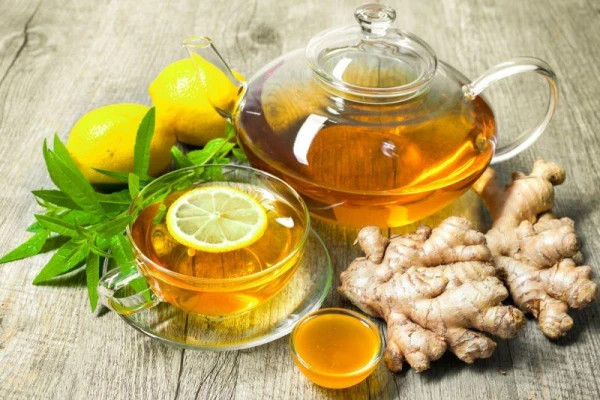
Today, ginger has become especially valuable because someone very wise (certainly in the East) remembered that it is an excellent natural adaptogen. The root of ginger contains substances with antioxidant, bactericidal, and anti-inflammatory properties. One particularly unique phenolic-like substance called gingerol gives ginger its characteristic spicy taste while simultaneously destroying free radicals and lowering blood sugar levels. Ginger can be consumed raw or in the form of decoctions and infusions.
Schisandra
The main difference of this plant from other adaptogens is that it strongly excites the nervous system. Its second name — schisandra — truly reflects its energetic nature. The schisandrin and schisandrol contained in schisandra tonify more than caffeine, stimulate heart function, and increase not only performance but also blood pressure. It is often prescribed for fatigue and neurasthenia. For medicinal purposes, not only the berries of Chinese schisandra are used, but also its seeds, from which alcoholic tinctures are made. For obvious reasons, it is not recommended to consume schisandra in the second half of the day.











Leave a comment