
Bitter and mysterious, healing and mystical: we discuss the healing properties of wormwood.
Many modern superfoods are forgotten medicinal plants that have been used in folk medicine for centuries. The Latin name for wormwood — Artemísia — comes from the Greek word artemes, which means "healthy." Wormwood was attributed not only with healing properties: the smoke of this herb was used to fumigate homes to drive away evil spirits, and fishermen took it with them on boats, believing it protected them from dangers associated with mermaids.
Today, scientists have confirmed that wormwood indeed possesses remarkable properties that can be explained scientifically. This plant contains numerous active substances that affect the human body: flavonoids with antioxidant properties, phytoncides that kill bacteria, essential oils, carotene, glycosides, and various acids (such as malic and ascorbic acid). Thanks to these components, wormwood is actively used in medicine. According to recent studies conducted by bioengineers at the University of Washington, wormwood can destroy up to 98% of breast cancer cells in just 16 hours.
Experts count between 250 and 400 species of wormwood, which can be found throughout the Northern Hemisphere, in various climatic zones and on different continents. The most well-known species are bitter wormwood (A. absinthium), common wormwood (A. vulgaris), and medicinal wormwood (A. abrotanum). The most popular culinary species is tarragon, known as tarkhuna! This familiar herb also contains many beneficial substances, from alkaloids to coumarins, which are actively used to treat various diseases.
Bitter glycosides present in all types of wormwood irritate taste receptors in the oral cavity, which promotes increased production of gastric juice and activates the gastrointestinal tract, as well as bile production. The choleretic properties of wormwood have been used in folk medicine to treat liver and biliary tract diseases, while its astringent properties have been used to combat gastritis. Bitter wormwood is also used in folk medicine to treat anemia, insomnia, upper respiratory diseases, migraines, neurasthenia, edema, and many other ailments.
Wormwood is well used in dried form as a seasoning for meat and poultry, especially duck and goose, as well as for any fatty and fried dishes. It pairs wonderfully with other spices and seasonings: fragrant or hot pepper, cloves, sage, basil, bay leaves, garlic, and others. Wormwood can be added to black tea or used to create your own blends of dried herbs.
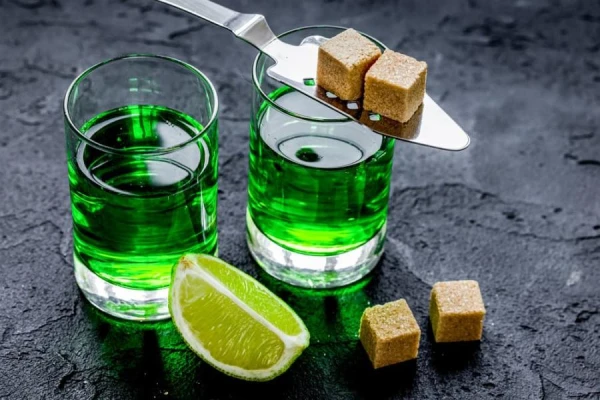
Wormwood reveals itself beautifully in tinctures. Remember the famous absinthe — an alcoholic tincture made from bitter wormwood and other herbs, which captivated the minds of outstanding figures of the 19th and 20th centuries. The name of this spicy alcoholic drink comes from the Latin name of the plant Artemísia absinthium. The spicy dark green liquid, containing about 70% alcohol, earned the nickname "madness in a bottle" and was attributed with narcotic properties. However, the issue is not with the wormwood itself, but with the high alcohol content. After the ban on absinthe in several European countries, there have been numerous attempts to create other drinks based on bitter wormwood and vodka, but none of them possessed such pronounced psychedelic properties.









Leave a comment