

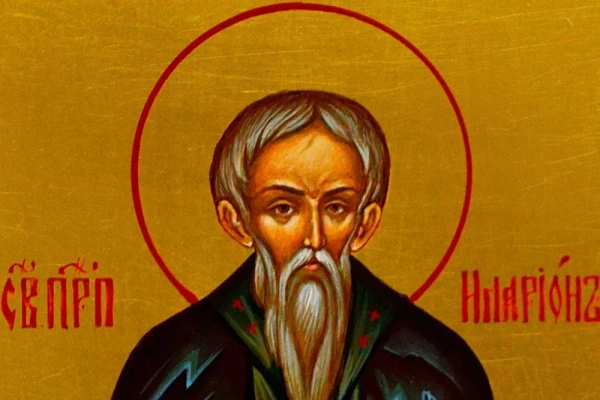
On December 8, Orthodox Christians honor Pope Clement I, one of the seventy apostles. This day also marks the Feast of the Presentation of the Blessed Virgin Mary. In the folk calendar, this day is known as Klim the Cold or Clement's Day. In ancient times, our ancestors preferred to stay at home, fearing to go outside.
On December 8, Orthodox churches honor Pope Clement I, who was one of the seventy apostles and early Christian preachers. Little is known about Clement's life.
According to a biography written several centuries after his death, Clement was born into a wealthy Roman family. When he was still a child, his parents, along with his brothers, went to Athens. However, during the sea voyage, a storm broke out, and their ship sank.
For a long time, it was believed that the entire family perished. Only many years later did it become known that both his brothers and parents survived. In search of answers to the question of what happens to people after death, Clement came to an Orthodox church. There, thanks to the Apostle Peter, he was baptized and soon reunited with his relatives.
Saint Clement is remembered for his good deeds. While preaching Christianity, he attracted many idolaters, for which he was first exiled from Rome to the area of modern Sevastopol and then executed. The pagans tied Pope Clement I to an anchor and threw him into the sea.
Folk Calendar: Klim the Cold
The holiday dedicated to Saint Apostle Clement was called "Clement's Day" or "Klim the Cold." The second name is related to the weather conditions. Usually, on December 8 (November 25 in the old style), strong frosts begin.
Our ancestors believed that at this time, an evil spirit named Treskun roamed the forests and fields, blowing into his fist and causing the wind. In summer, he sleeps underground, and in winter, he comes to the surface to bring as much trouble to people as possible.
Klim the Cold: What Can Be Done
In ancient times, it was known that Clement's Day should begin with a prayer service in church. Praying to Saint Clement, people asked for help in family matters and issues related to raising children. It was believed that the holy apostle contributed to strengthening health and financial well-being.
Our ancestors were convinced that on Clement's Day, all tasks should only be started on an empty stomach. Therefore, after visiting the church, they would get to work and only then think about food.
Men worked in the yard, while women took care of household chores. Time passed unnoticed while preparing food and engaging in handicrafts. During this time, women sewed warm vests, which they later sold at Christmas fairs. In the evening, the family gathered for tea, and relatives communicated with each other.
Clement's Day: Folk Omens
The older generations knew: if it snows heavily on Clement's Day, it foretells cold weather and a good harvest the following summer. If roosters start crowing early, it indicates an imminent thaw. If cats rub against their owners' legs, it means that strong frosts will soon arrive. "On Klim, winter drives out winter with a wedge," "Clement makes a man shed tears with frost," our ancestors would say. If crows and tits hop on the snow, it indicates warming.
Clement's Day: What Should Not Be Done
Clement's Day has its prohibitions. It is believed that at this time, one should not get up on both feet after sleeping. You should step with your left foot and put on shoes with your right. This will bring good luck in affairs. On Clement's Day, it is forbidden to:
Sing before the first meal — it leads to tears.
Borrow money in the morning — it will be hard to return.
Count money closer to night — it leads to financial losses.
Complain about the cold weather — it leads to illnesses.
Do cleaning before bedtime — it leads to serious financial problems.
On Clement's Day, our ancestors avoided giving advice and interfering in others' affairs. They were afraid to go outside after dark, as they might encounter a wolf. Moreover, they did not take out the trash in the evening, believing that evil spirits could send misfortune through it.














Leave a comment