On December 6, Orthodox churches commemorate two saints – Mitrofan of Voronezh and Alexander Nevsky. In the folk calendar, this day is called Mitrofan's Day. In ancient times, people sought protection from enemies and guessed what the beginning of summer would be like.
On December 6, Orthodox believers pay tribute to two saints – Mitrofan of Voronezh and Alexander Nevsky.
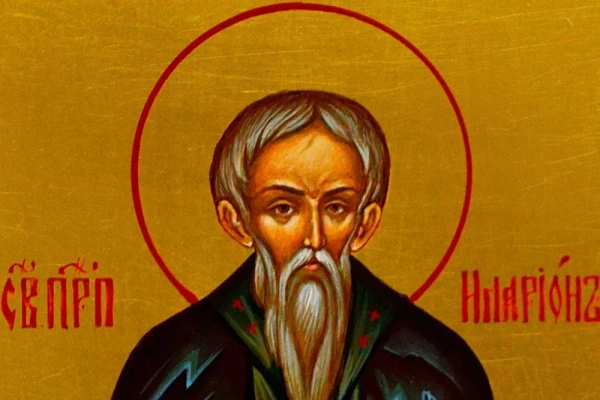
Mitrofan of Voronezh
Mitrofan of Voronezh, who lived in the 17th-18th centuries, was born into a prosperous family, married young, and raised a son. However, when he turned 40, his wife suddenly fell ill and passed away. After becoming a widower, Mitrofan went to the Zolotnikov Monastery and took monastic vows.
He later became the abbot of this monastery and subsequently the Bishop of Voronezh. It is known that he actively fought against Old Believers, did much to strengthen the positions of the Orthodox Church, and advocated for the moral improvement of the clergy. The bishop supported Peter the Great, who opened a shipyard in Voronezh where ships for the new Russian fleet were built.
Photo: culture.ru
Alexander Nevsky
On December 6, the Orthodox people also remember another saint – the righteous prince Alexander Nevsky, who lived in the 13th century and became a symbol of Russian national heroism. He was an outstanding warrior, strategist, and defender of the Orthodox faith from the Rurik dynasty.
The name Alexander, which he was proud of, was chosen not by chance. His parents named him after the great Alexander the Great. Alexander Nevsky did not suffer a single defeat in battle. At just 19 years old, he achieved a significant victory in the Battle of Neva, which helped to preserve the shores of the Gulf of Finland. It was then that he began to be called Nevsky.
The prince's life was eventful but short. He died at the age of 42, being an outstanding commander, politician, philosopher, and diplomat, and was canonized by the Orthodox Church.
Folk Calendar: Mitrofan Day
On Mitrofan Day, celebrations were held. Although the Christmas fast was ongoing at this time, people allowed themselves some entertainment. There were no noisy festivities, but sledding was popular. The day before, sled paths were laid, and markers were set up. On Mitrofan's Day itself, people would get on sleds and set off to check if the road was good and if it would hold until spring.
During this time, lean pies with cabbage, potatoes, or mushrooms were baked. Families gathered with relatives, neighbors, and friends, ate, drank herbal tea, and discussed plans. Men specifically brewed beer for Mitrofan Day, although they did not indulge too much – after all, it was a fast.
Mitrofan Day: What Needs to Be Done
The church holiday began with a visit to the temple. On this day, it was customary to ask for protection from enemies, to remember fallen warriors, and to guess how things were going with relatives and whether they were alive.
For this, special bread was baked. Three loaves were made, one of which had a cross placed inside. When the bread was ready, the loaves were swapped so that it was impossible to tell which one contained the cross, and then they were placed in different locations. One was put on the threshold, another on the bench, and the third on the shelf near the icons.
If the loaf with the cross was near the threshold, it was a cause for joy, as it meant that the man called to military service would soon be allowed to return home.
According to beliefs, on Mitrofan Day, it was necessary to carefully comb one’s hair. If this was not done, disorder could arise in life and in one’s head.
Mitrofan Day: Folk Omens
People knew: if there were few clouds in the sky on Mitrofan Day, there would be clear and very cold weather in the coming days. If there were many clouds, it would lead to a snowstorm. Strong winds and snowfall foretold a damp and windy beginning of summer.
Mitrofan Day: What Not to Do
Our ancestors knew that Mitrofan Day did not tolerate fuss, scandals, and chatter. During this time, people tried to act slowly, not raising their voices and holding back negative emotions. Excessive talking was not welcomed, as it could scare away good fortune. Therefore, they tried to keep their mouths shut.
To avoid conflicts, they tried not to meet with enemies and envious people. They were wary of lending money, knowing that there was a chance it would not return to its previous owner.