
On October 7, Orthodox Christians remember the early Christian saint Feocla of Iconium, honored among the ranks of equal-to-the-apostles.
She was betrothed to a noble young man, but during her stay in the city of the Apostle Paul, she was moved by his preaching and decided not to marry, dedicating herself to the service of God. For her faith and refusal to marry, she was subjected to torment, but the rain extinguished the flames of the fire to which she was thrown, and a lioness, instead of tearing her apart, killed the bear and lion that threatened the saint.
In the end, Feocla was freed, and she sought out the Apostle Paul, who instructed her to teach people the word of God. Feocla lived in Syrian Seleucia, preaching until the age of 90. A monastery was built over the cave in the Syrian village of Maaloula, where she died.
On October 7, women tried to dedicate time to spinning, so they would have the desire to continue doing it in the future — in the folk tradition, the saint came to be called Feocla the Spinner. Peasants said that "on Feocla, the nights are dark, and the days diminish at a horse's pace."
During the day, they sang and celebrated, and by midnight they began to thresh the sheaves, lighting fires in the rooms where they were drying. Therefore, Feocla was often referred to as the Fiery in folk tradition. Later, they continued to thresh in the mornings. On October 7, they paid tribute to the threshers; the barn was not heated until that day, and porridge and pies were left in the corner or by the fire. It was believed that the spirit of the barn dweller resided there, and it needed to be appeased before starting to heat. The barn dweller behaves quietly in summer and spring but starts to play tricks in autumn.
In folk belief, it was thought that if a wedding was held on October 7, the marriage would be long and happy.
Weather Signs
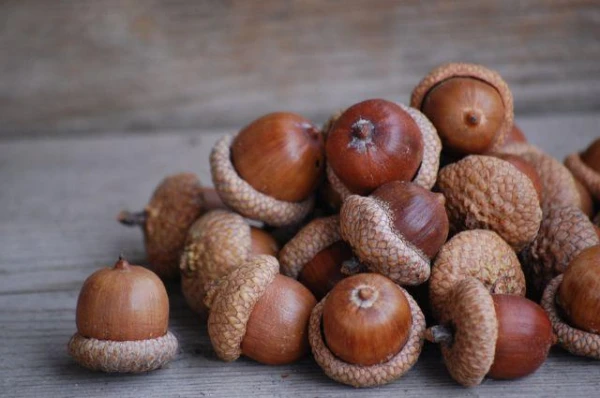
If thunder rumbles on this day, winter will be warm and snowless. A large harvest of rowan berries indicates a cold winter. Many acorns predict a mild winter, and the following year will be fruitful. Birds flying low indicate an early and cold winter.












Leave a comment