
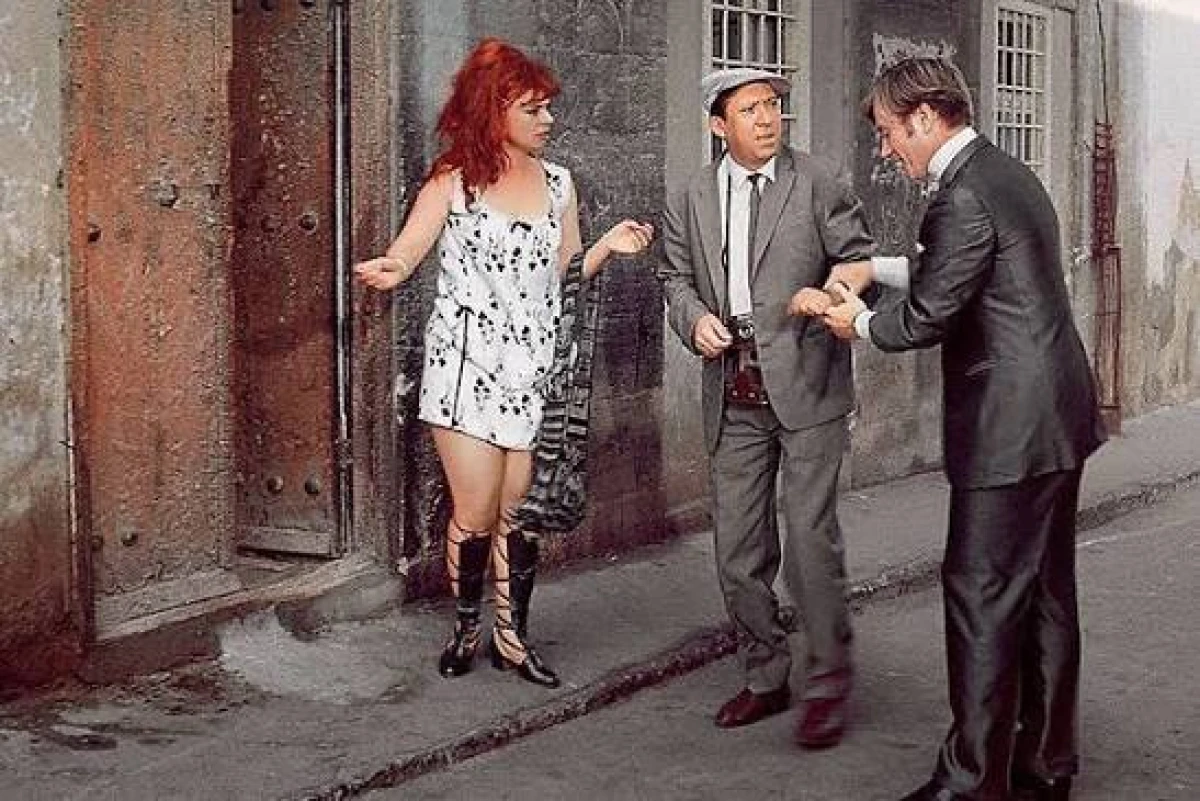
'Sex work' in works of art.
The journey from 'parasites' to 'sex workers': an exhibition about the 'oldest profession' is taking place in Bonn. This is how the English writer Rudyard Kipling referred to prostitution in his story 'On the City Wall' back in the 19th century, contributing to the establishment of one of the most persistent euphemisms for sex work. The exhibition 'Sex Work: A Cultural History of Sex Work' at the Bonn Art Gallery shows how this has been depicted, regulated, and experienced in different societies and historical eras, reports Deutsche Welle.
Historical terminology is often inaccurate, explains co-curator Ernestina Pastorrello. "In the 19th century, the word 'prostitute' was applied to any woman who was 'too noticeable' in public space - regardless of whether she was actually selling sex or not," notes Pastorrello. This label, she explains, was also applied to women living in poverty, suffering from addictions, or otherwise stepping outside social norms.
Other examples include the USSR and Eastern Bloc countries where sex workers were prosecuted under laws as people leading a 'parasitic lifestyle' or 'social parasites'. In the German language, there is the word 'Stricher' - a derogatory term for men selling sex. It originates from the expression 'gehen auf den Strich' (to go out on the street). This word was in use at least until the early 2000s.
The term 'sex work' itself was introduced in the late 1970s by American activist Carol Leigh. It is preferable because it 'means nothing more and nothing less than what it actually refers to', notes Pastorrello - the exchange of sexual services for money or other goods as a means of financial support. In her opinion, this shift in language has also reflected in real practice - women who were previously labeled with terms like 'escort' or 'stripper' have begun to define how their work and lives are described.











Leave a comment