
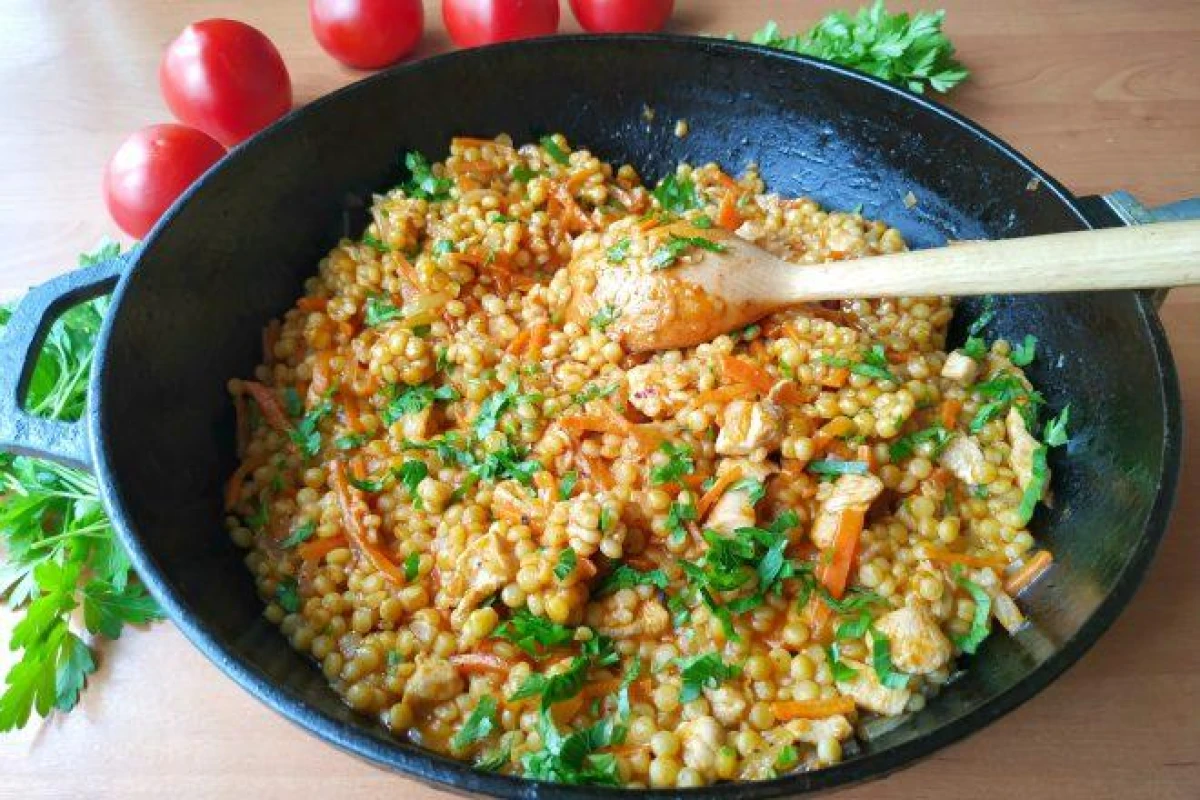
What orzo and ptitim are and what their differences are
Orzo and ptitim are types of pasta that resemble grains in shape but are made from durum wheat.
Orzo is a type of pasta that originated in Italy. In Italian, "orzo" translates to "barley." These pasta pieces indeed resemble barley as well as large rice. When cooked, orzo has a delicate texture and a mild flavor with a slight nutty undertone.
Ptitim is an Israeli invention that emerged during a rice shortage. To provide people with a source of complex carbohydrates, the company "Osem" began roasting wheat flour under government orders. This pasta quickly gained popularity both in Israel and beyond.
However, ptitim is not quite like traditional pasta. It is pasta in the shape of large balls that crunch in your mouth due to the pre-roasting. Like orzo, ptitim has a nutty flavor.
The Benefits of Orzo and Ptitim
Pasta is an excellent source of complex carbohydrates. Additionally, it contains a small amount of protein, fiber, and fat.
The composition of ptitim and orzo differs only slightly. In its dry form, one serving of pasta (55 grams) includes the following components.
Both types of pasta are also rich in vitamins and minerals such as iron, selenium, and manganese.
Iron is necessary for the formation of new red blood cells — the blood cells that carry oxygen throughout the body. Selenium is a trace element that is part of proteins and enzymes that help create new DNA cells, ensure the normal functioning of the thyroid gland, and strengthen the immune system. Manganese is a trace element that helps some enzymes participate in the metabolism of amino acids, carbohydrates, and cholesterol, as well as in the formation of new bone tissue.
It is important to note that some manufacturers use processed flour to produce ptitim and orzo instead of durum wheat. Such pasta contains less fiber and is digested more quickly, leading to a short-lived feeling of fullness.
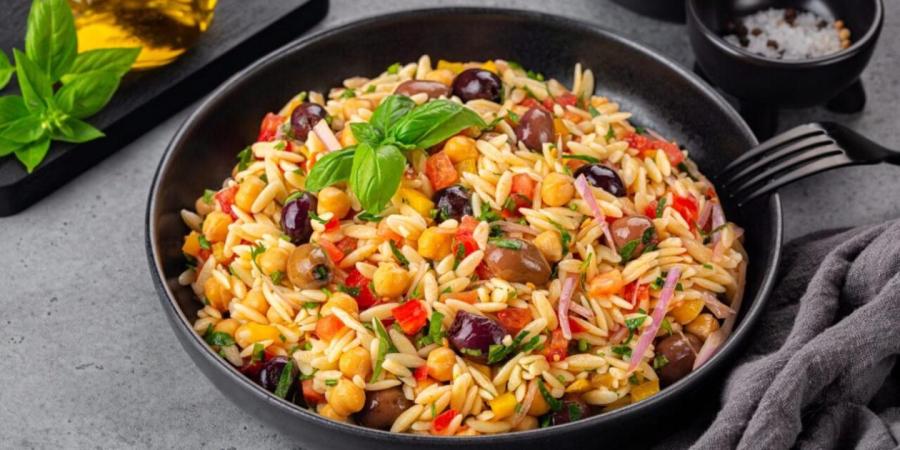
Whole grain pasta is much healthier than pasta made from processed wheat, as it contains more fiber and provides better satiety.
How to Properly Cook Orzo and Ptitim
To prepare orzo, you need to bring salted water to a boil in a pot and add the pasta. The ratio of pasta to liquid is indicated on the package, but in most cases, it is 100 grams of pasta to 1 liter of water.
Cook orzo for 8–10 minutes or according to the instructions on the package. After that, drain the water and rinse the pasta with cold water to stop the cooking process.
If you want to learn how to cook orzo deliciously, refer to the recipe by renowned chef Jamie Oliver. He suggests making the pasta without meat but with plenty of vegetables.
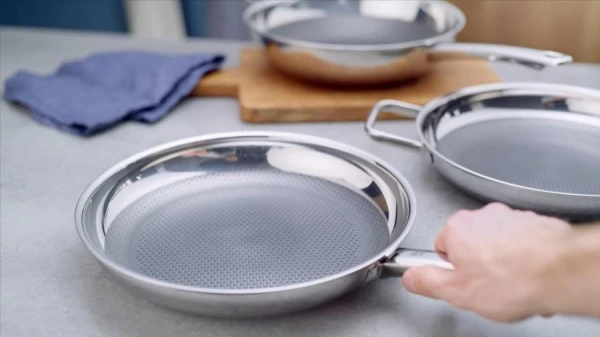
Preparing ptitim starts with roasting the pasta in a dry skillet over medium heat. This step can be skipped if you are going to boil it for soup, but the classic recipe involves roasting, which takes about 5 minutes until the pasta turns golden.
Meanwhile, place a pot of salted water on the stove. Add ptitim to the boiling liquid, maintaining the same ratio as for cooking orzo. Cook the pasta for 10–12 minutes, then drain the water and rinse with cold water.
How Much Pasta Can You Eat in a Day
To determine the daily norm of pasta, let’s refer to the recommendations of dietitians. They state that carbohydrates should make up 45–65% of the total caloric intake. For example, if your daily caloric intake is 2000 calories, then carbohydrates should account for 900–1300 calories, which corresponds to 235–325 grams.
It is better to divide this norm into two or three servings rather than consuming it all at once. Also, remember that carbohydrates are found not only in pasta but also in bread, fruits, vegetables, legumes, and sweets.
You should not fill your daily norm solely with pasta — other foods can also help achieve this.
Moreover, pasta should not take up the majority of your plate. Slow carbohydrates should occupy a third or slightly more.










Leave a comment