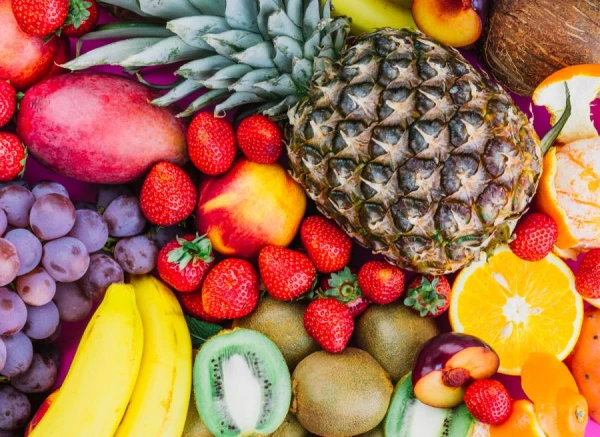
Have you ever wondered why, for example, a mango bought at the supermarket continues to ripen at home and becomes softer and juicier, while strawberries start to mold? This phenomenon has a scientific explanation.
Interestingly, harvested fruits can ripen even faster than those still hanging on the tree! What is the reason behind this interesting fact?
The ripening process of fruits and vegetables is quite a complex phenomenon. It occurs due to the synthesis of ethylene, a natural plant hormone that affects the growth, development, and ripening of fruits, reports TechInsider. This gas is produced by the fruit itself, so it does not necessarily have to remain on the branch until the end.
But why are some fruits capable of ripening while others are not? The answer lies in their classification: they are divided into climacteric and non-climacteric.
Climacteric fruits
These fruits release a significant amount of ethylene even after harvest: in conditions of low moisture, their release increases. If at least one ripe fruit is placed with unripe fruits, the ripening of the others will significantly accelerate, as the ripe fruit produces even more ethylene.
Typically, such fruits are harvested while still unripe. During transportation, they continue to ripen, and if this time is insufficient, they ripen on store shelves and at home with consumers. It is not profitable to harvest ripe climacteric fruits, as they may spoil before reaching the store.
Unripe climacteric fruits ripen faster after harvest due to increased ethylene production resulting from greater oxygen supply to the fruit.
Climacteric fruits:
* bananas;
* avocados;
* peaches;
* mangoes;
* kiwis;
* apricots;
* plums;
* apples;
* pears;
* melons.
Non-climacteric fruits
These fruits must remain on the tree until fully ripe, as their ripening does not depend on ethylene production, but rather on a series of molecular and physiological processes that lead to changes in size, structure, and aroma of the fruit.
After harvest, they may become softer, but this does not indicate their ripening; rather, it signifies the beginning of the decomposition process.
Berries and other non-climacteric fruits should only be purchased in ripe form. As for when to buy climacteric fruits, that depends on your preferences.
Non-climacteric fruits:
* watermelons;
* strawberries;
* cherries;
* strawberries;
* grapes;
* pomegranates;
* blueberries;
* citrus fruits;
* pineapples.