

Let's clarify the issue of salt: is it really necessary for our body? The answer is unequivocal — yes, it is vital!
Which type of salt is preferable?
Even an experienced chef cannot give a definitive answer to this question, as the choice depends on the specific dish and cooking method. For example, smoked salt is unlikely to be suitable for fresh vegetable or fruit salads, while it will add an interesting flavor to meat dishes. For fish and seafood, sea salt is the best option.
Natural sea salt can be considered as such when its crystals are harvested without grinding and adding other components. In this case, “coarse salt” turns out to be more beneficial than fine salt. It not only contains sodium chloride (NaCl) but also many essential trace elements.
There is an opinion that coarse salt, whether sea or rock, is better used when boiling meat whole: large crystals dissolve more slowly, ensuring more even salting. Many chefs prefer to rub fish with coarse salt before frying rather than just sprinkling it on. The same principle applies when salting lard: fine salt absorbs quickly and can damage the product.
When is it best to salt?
Salt promotes the release of juice from meat and vegetables, which determines the basic rules for various products and dishes.
* Vegetable salads should be salted just before serving, otherwise, the vegetables will lose their shape.
* Meat and vegetable broths are salted at the beginning of cooking if a hearty dish with a rich flavor is required. If you want to preserve the juiciness of the meat, it is better to add salt after skimming the foam.
* Fish soup is also recommended to be salted after skimming the foam, otherwise, the fish may break apart.
* Fried vegetables are better salted closer to the end of cooking so they do not turn into stewed vegetables. The exception is eggplants: they should be fried in salted oil or salted before cooking to release juice and get rid of excess bitterness.
* Meat for frying or baking is usually marinated with salt before cooking. This is especially important for large pieces of meat to ensure they are evenly salted and infused with the marinade's flavors. However, lean steaks are better salted at the end of frying, when a crust forms, to preserve the juice.
* Fish for frying is recommended to be salted 15 minutes before cooking to maintain its shape.
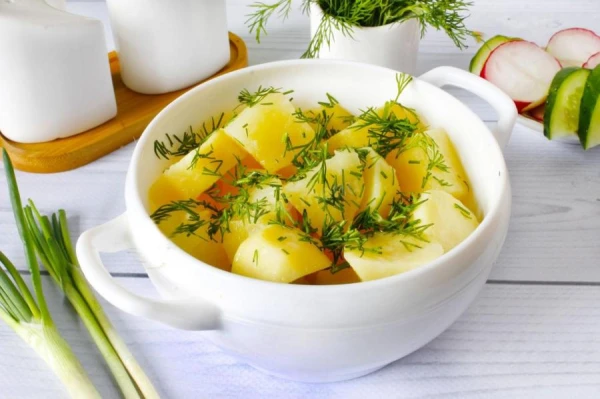
* Pasta, dumplings, vareniki, peeled potatoes, and grains for loose porridge are boiled in boiling salted water. The salt solution strengthens the cell membranes of many products, preventing them from overcooking.
* Cauliflower and broccoli quickly lose their shape in unsalted water, so the water should be salted in advance.
* Legumes — peas, beans, lentils are salted depending on the desired result. If they need to be overcooked for soup, salt is added 5–10 minutes before they are ready, and for salad — they are boiled in salted water.
How much salt to use?
As the saying goes, there is no accounting for taste, so only approximate figures can be provided:
* meat for frying and baking — about 1/2 tablespoon of salt per kilogram;
* steaks — 1 teaspoon per kilogram;
* cutlets — 1 teaspoon per kilogram of minced meat;
* fish — about 3 teaspoons of salt per kilogram;
* yeast dough — 2 pinches per kilogram;
* puff pastry with butter — 1/2 teaspoon per kilogram;
* buckwheat porridge — 2 pinches of salt per 250 grams of grain;
* rice — 1 teaspoon level per 250 grams of grain;
* potatoes — about 1/2 tablespoon per kilogram;
* stewed vegetables — about 10 grams for 4 servings;
* soups — about 1 teaspoon per liter;
* pasta — 1 teaspoon per liter of water;
* dumplings, vareniki — 1/2 teaspoon per liter of water.
It is important to remember: not all salt is equally salty, meaning the NaCl content in table salt, rock salt, and sea salt varies. Table salt has the highest content, so less can be used to achieve the desired flavor. Sea salt, on the other hand, has less sodium chloride, so it is permissible to slightly exceed the norm.
What to do if you over-salted?
Here are two main ways to fix an over-salted dish:
* add ingredients that will absorb the excess salt;
* use the over-salted ingredient to prepare another dish in combination with unsalted or bland products.
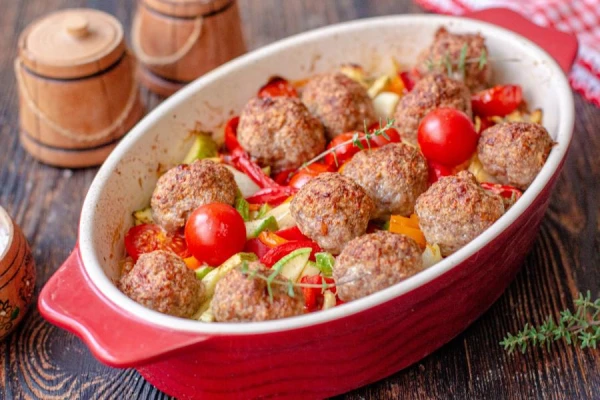
For example, an over-salted soup can be saved by adding a whole peeled potato or onion and cooking for a few more minutes. If the porridge is over-salted, a new unsalted batch can be boiled and mixed in. Over-salted meat can be used as a filling for pies, under-salting the dough. A simpler option is “military-style pasta” with unsalted pasta. Over-salted cutlets can be stewed with raw chopped unsalted vegetables or potatoes.












Leave a comment