Despite possible objections from raw food advocates, scientific studies confirm that boiled vegetables can provide more benefits to the body!
Carrots
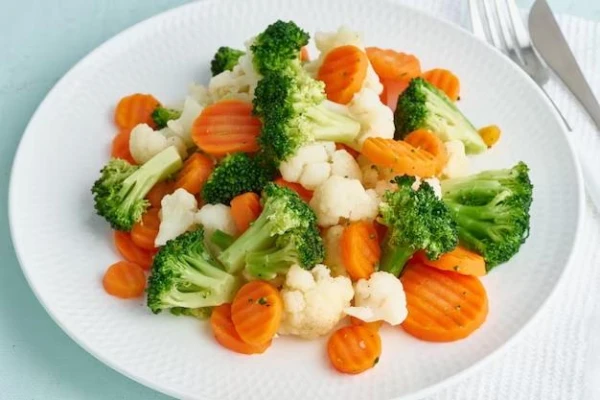
This vegetable can prevent the development of cancer. Additionally, it protects the body from premature aging and supports eye health due to its high beta-carotene content.
Boiled carrots contain four times more of this valuable component compared to raw ones. People with liver and pancreas diseases are advised to avoid consuming raw carrots, as they are rich in pectin. An excessive amount of raw carrots can be unsafe for children due to their insufficient ability to digest such dense food.
Tomatoes
Do you know why tomatoes are red? This color is due to lycopene — a substance that blocks the formation of malignant tumors and supports cardiovascular health.
Boiled tomatoes contain more beneficial lycopene than raw ones. Therefore, it is recommended to include tomatoes in stews as well as in homemade ketchup.
Broccoli
What makes this cabbage so beneficial? It contains an antioxidant — glucosinolate, which helps fight cancer cells, rejuvenates the body, and restores cells.
The maximum amount of this beneficial substance is found in boiled broccoli, rather than in its raw form. Heat treatment also contributes to better absorption of carotenoids, which are abundant in this vegetable.
Beets
Fresh beets are rich in vitamins, but for quicker absorption by the body, it is recommended to consume them boiled.
Calcium, iron, sodium, flavonoids, and anthocyanins are more easily absorbed from boiled beets. Additionally, it serves as a natural remedy for cleansing the body, strengthening the circulatory system, and supporting kidney functions.
Cabbage
Cabbage is significantly more beneficial both when boiled and fermented, with the latter method being preferable.
Studies have shown that fermented cabbage contains three times more vitamin C than raw! Yes, you heard that right. Furthermore, fermented cabbage contains beneficial lactic acid, which aids in protein breakdown and food absorption by the body.