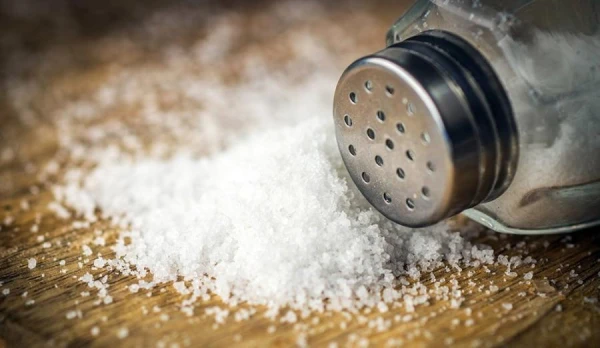
Salt is a source of essential minerals that affect heart, vascular, and skin health, as well as metabolism. It serves as a natural flavor enhancer, without which food loses its appeal. However, excessive salt consumption can lead to various diseases. In this article, we will discuss how much salt is necessary to consume in order not to harm your body.
The recommended salt intake for the body
Table salt is a compound of sodium and chlorine, which play a key role in metabolism and maintaining water-salt balance. These minerals provide:
* transmission of nerve impulses;
* the process of blood formation;
* the production of hydrochloric acid in the stomach;
* maintenance of normal blood pressure;
* skin hydration.
Both excess and deficiency of salt can negatively affect health. To maintain good well-being, it is necessary to adhere to the recommended intake.
Salt
The World Health Organization (WHO) recommends a daily salt intake of 4–5 grams, which corresponds to a teaspoon without a heap. This norm is applicable to adults. For children under 1.5 years, adding salt to food is not required, as it is sufficient in breast milk and baby food. After this age, salt can be added, but not more than 3 grams per day. From the age of 7, the adult norm is permitted.
How much salt is acceptable per day?
According to most nutritionists, exceeding the WHO recommended dose by 2–3 grams will not have a negative impact on health. Thus, it is possible to consume 7–8 grams of salt per day. However, adhering to even these values can be challenging in the modern world, as they are often exceeded. Salt is found in various products, especially in convenience foods, canned goods, and fast food, leading to excessive consumption.
Recommendations for reducing salt intake from nutritionists
* If possible, cook food yourself.
* Avoid adding salt to ready-made dishes.
* Rinse canned vegetables before consumption.
* Do not consume salted seeds, nuts, and chips.
* Avoid street food.
It is not advisable to completely exclude salt from the diet, as its deficiency can also negatively affect health. Exceptions are cases when a doctor prescribes a salt-free diet.
The dangers of excessive salt consumption for health
Excessive salt in the body disrupts metabolism and water-salt balance, which can lead to the following consequences:
* increased blood pressure;
* reduced elasticity of blood vessel walls;
* rapid heartbeat (tachycardia);
* formation of kidney stones;
* headaches and shortness of breath.
One of the signs of salt abuse is edema: swelling of the hands and feet, bags under the eyes are common consequences of excessive salt consumption. Excess weight can also be a result of such a diet, as salt retains water, which accumulates in subcutaneous fat, increasing its volume.
The dangers of salt deficiency for health
Salt deficiency can cause the following problems:
* low blood pressure and dizziness;
* muscle cramps, weakness, and fatigue;
* digestive and memory disorders;
* heart irregularities.
If you experience such symptoms, it is usually sufficient to increase salt intake for them to disappear.
What can replace table salt?
Table salt can be replaced with sea salt, which contains less sodium chloride and additional minerals such as magnesium, potassium, calcium, and fluoride.
It is better to completely refuse salt only after consulting a doctor. You can independently reduce its consumption, although at first, food may seem bland. Original flavors can be added with soy sauce, lemon juice, chopped onions, dill, garlic, ginger, pepper, cumin, rosemary, and other spices. Over time, taste receptors will adapt, and food will no longer seem bland.
To ensure that such a diet will be beneficial, it is advisable to consult a doctor in advance. They will advise how to eat with minimal salt without harming health while remaining full of strength and energy.