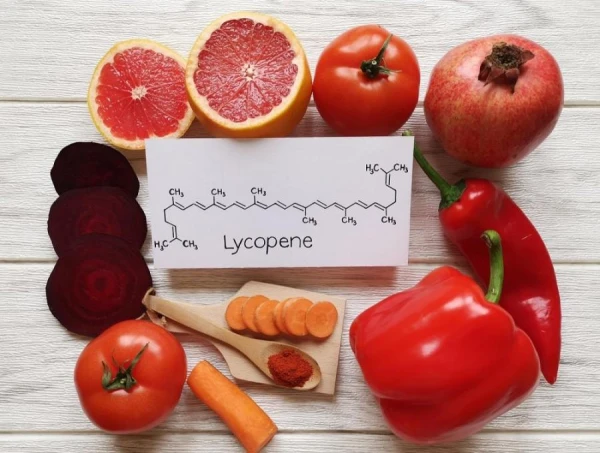
Lycopene is a carotenoid extracted from red tomatoes. This antioxidant protects the body from oxidative stress by neutralizing free radicals. It prevents tissue overgrowth and age-related changes. The main functions of lycopene are related to the gastrointestinal tract, where it reduces inflammation and the risk of malignant cell degeneration.
Lycopene can be obtained from food. If symptoms of deficiency appear, it is necessary to consult a doctor who will select an appropriate supplement. Self-medication is unacceptable, as it can lead to overdose or side effects.
What is lycopene?
Lycopene is a natural organic compound belonging to the carotenoid group, which is characterized by its resistance to heat treatment and good solubility in fats. The non-cyclic isomer of β-carotene gives a red color to vegetables, berries, and fruits (such as tomatoes, grapefruits, oranges, and watermelons). It is beneficial for eye health, skin, and the cardiovascular system.
Lycopene accumulates in the epidermis and dermis, protecting against photoaging and pigmentation. In the human body, it is not synthesized and is obtained exclusively from food. Its absorption in the gastrointestinal tract occurs in the presence of sufficient fats in the diet.
Lycopene is transported to soft tissues from food and is stored there, using it as needed. Studies show that it is not the amount of carotenoid obtained from food, but its level accumulated in tissues that prevents diseases.
Biological Role of Lycopene
The rate of carotenoid absorption from dietary supplements and foods varies. Lycopene from tomatoes is absorbed less efficiently. The bioavailability of the substance significantly increases in processed products, which is related to the peculiarities of lycopene release from plant cell structures.
There are two forms of lycopene: trans- and cis-lycopene (the active variant). Lipids promote better absorption. For example, the absorbability of tomato sauce increases when combined with olive oil.
When lycopene enters the intestine, it is processed by bile acids and penetrates into enterocytes (the epithelial cells of the small intestine). In the form of chylomicrons, it enters the bloodstream. It accumulates mainly in the lungs and liver, as well as in the prostate, intestines, and skin. Peak levels are observed 6-8 hours after consuming tomatoes or tomato paste. It is excreted from the body within a day.
Despite the benefits of lycopene, it is important to remember that it is not a universal remedy. The carotenoid in the form of supplements should not replace a balanced diet and a healthy lifestyle. It is necessary to obtain lycopene from a variety of sources, such as tomatoes, watermelons, grapefruits, and other foods rich in this antioxidant.
Benefits of Lycopene
Lycopene activates the immune system and prevents the occurrence of viral diseases. Therefore, its consumption is particularly beneficial for people with weakened immune systems who are prone to infections. Including enriched fruits and vegetables in the diet reduces the likelihood of respiratory diseases in children.
Lycopene Protects Healthy Cells
During metabolism in the body, unstable molecules (free radicals) are formed. When these particles accumulate, cell damage occurs. This destructive process can be prevented with foods containing lycopene or dietary supplements.
Lycopene Supports Bone Strength
It effectively combats oxidative stress in bones, which leads to their brittleness. It slows down the process of apoptosis (cell death), helps maintain skeletal strength, and promotes the restoration of the cellular structure of bones, making them strong and healthy.
Lycopene Reduces Cancer Risk
Currently, epidemiological studies show an inverse relationship between the frequency of consuming carotenoid-rich vegetables and the prevalence of cancer in various organs. The anticancer activity of lycopene has been established.
Lycopene Reduces the Risk of Cardiovascular Diseases
The antioxidant helps restore normal cholesterol levels in the blood, reducing the risk of ischemic heart disease and preventing the development of atherosclerosis, stroke, and myocardial infarction.
The Lycopene Molecule Integrates into Capillary Walls:
* increases the strength and elasticity of blood vessels;
* reduces the number of internal ruptures and hemorrhages;
* promotes the restoration of normal blood flow in organs.
The natural compound affects factors that provoke cardiovascular diseases or worsen their condition (obesity, metabolic syndrome, diabetes).
Lycopene Protects Against Sunburn
Consuming foods containing carotenoid for 10-12 weeks significantly reduces skin sensitivity to ultraviolet rays. Approximately 10 mg of the substance per day leads to a 25% reduction in sensitivity to photoaging.
Lycopene accelerates the tanning process in the sun. Women can use products enriched with lycopene or dietary supplements for a quick and even tan.
Lycopene is Beneficial for Vision
A high concentration of the substance is found not only in the pigment tissue of the retina but also in the middle part of the eye's vascular membrane (ciliary body) in humans. Carotenoids play an important role in protecting against light damage, acting as nonspecific metabolites. They slow down irreversible changes in peroxidative processes in tissues, including the lens.
Lycopene May Protect the Brain
The carotenoid has the potential to address neurological problems. Studies show that it slows the onset and progression of Alzheimer's disease, restoring damaged cells. It prevents damage and death of neurons by participating in mitochondrial interactions related to brain degradation.
The restorative properties of lycopene are beneficial in epilepsy, which causes brain damage due to oxygen deprivation during prolonged seizures. The carotenoid not only prevents epileptic seizures but also restores neuronal connections.
Lycopene for Men
Lycopene concentrates in seminal fluid and neutralizes unstable molecules, preventing destructive effects. Its main function is to protect the prostate gland from cell and tissue degeneration. It is also widely used in the treatment of infertility caused by abnormalities in the structure of male germ cells or their low concentration.
Lycopene prevents and slows the growth of benign prostatic hyperplasia, reducing the likelihood of prostate cancer. Consuming about 10 medium tomatoes per week reduces the risk of tumor formations by 40%. To effectively maintain the necessary level, it is recommended to use dietary supplements.
Lycopene for Women
The carotenoid strengthens women's health. It protects breast tissue from damage caused by free radicals and reduces the risk of mastopathy. The antioxidant is recommended for women at risk—after breast injuries and artificial termination of pregnancy.
The beneficial compound is used for the prevention of cervical cancer. Regular consumption reduces the likelihood of developing dangerous pathology. In the early stages of malignant degeneration, lycopene slows the growth of cancer tumors. For pregnant women, it is also of great importance, reducing the risk of developing preeclampsia (increased blood pressure and protein levels in urine) and preventing fetal hypoxia (oxygen starvation).
Daily Norm of Lycopene
Varies depending on age and gender:
1-3 years — 2-5 mg;
4-8 years — 2.5-8 mg;
9-13 years — 6.5-35 mg;
14-18 years — 30-70 mg;
women — about 70-90 mg;
men — 70-130 mg.
It is important to maintain a diverse and balanced diet that includes fruits and vegetables to ensure adequate intake of lycopene and other nutrients.
Do not self-medicate or self-diagnose! Consult your treating physician for an accurate diagnosis of the disease. Only your treating physician can correctly diagnose and prescribe the right treatment method.
Signs of Lycopene Deficiency in the Body
Main symptoms of deficiency:
* deterioration of skin condition (dryness, peeling, inflammation);
* vision pathologies (development of age-related macular degeneration);
* weakening of the body's protective functions;
* poor hair condition (dryness, hair loss);
* deterioration of nail condition (splitting, brittleness).
Deficiency also increases the risk of developing many diseases, including cardiovascular pathologies and cancer.
Foods with Lycopene
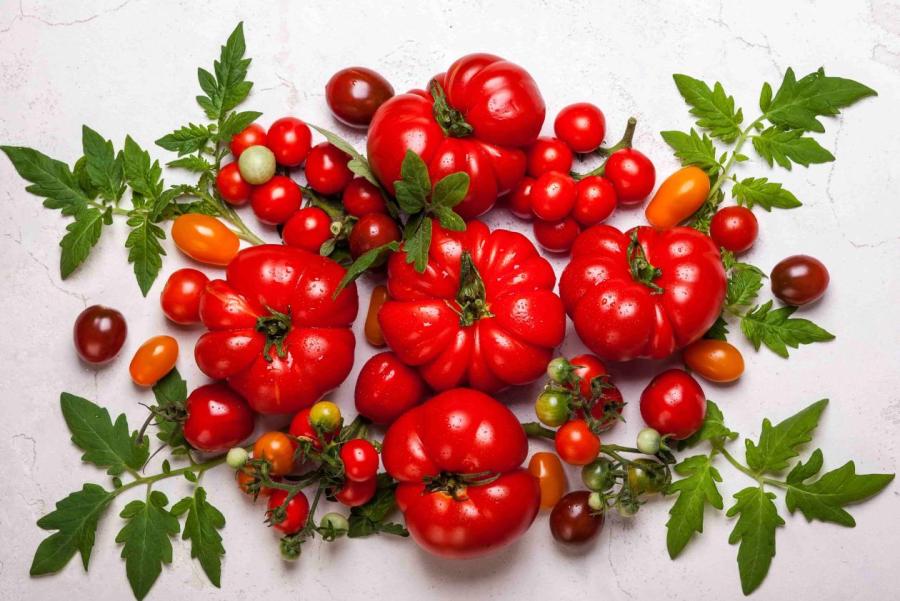
High levels of the organic compound are found in tomatoes and canned products based on them. Cooked tomatoes contain more carotenoid than fresh ones. The amount of the substance in 100 grams of tomato puree is 6 times higher, and in paste, it is 100 times higher.
Tomato juice is also a good source of lycopene—it can be included in the daily menu in any quantity. Some fruits and vegetables have low lycopene content but are also valuable sources.
To prevent or correct deficiency states, the following should be added to the menu:
* pumpkin, carrots;
* pink grapefruit;
* watermelon, apricot;
* papaya, guava.
Benefits of Lycopene for Beauty and Health
The carotenoid improves appetite, supports acid-base balance, suppresses harmful intestinal microflora, and promotes weight loss. The plant pigment is also used for the prevention of liver diseases.
As an antioxidant, it strengthens the walls of capillaries and blood vessels, nourishes and rejuvenates the skin. The structure of the epidermis improves, and collagen production is restored, preventing the appearance of wrinkles and aging.
Ways to Consume Lycopene
Rich sources include tomato-based products such as sauce, paste, and juice. Consuming fresh tomatoes is another way to obtain lycopene. It is also found in sufficient quantities in watermelons, vegetables, and fruits of orange or red color. Since lycopene is a fat-soluble compound, its absorption is improved when combined with fat sources.
Factors Affecting Absorption:
* fat levels—increases absorption (it is recommended to add olive oil or nuts to tomato-based dishes);
* age—absorption of carotenoid decreases in older adults, so it is advisable to increase its amount.
Possible Harm of Lycopene
The carotenoid is non-toxic and has minimal contraindications. However, caution should be exercised with large doses, as this can lead to lycopenodermia. Under certain conditions, the substance oxidizes and turns into free radicals. One factor of oxidation is cigarette smoke. Studies show that smokers who take lycopene supplements for a long time have an increased risk of developing cancer.
In case of exacerbation of disease symptoms, it is necessary to seek diagnostic studies and proper treatment prescriptions from your treating physician. Dietary supplements with lycopene are recommended to be taken only after consulting a doctor who can determine the correct dosage and contraindications, thus excluding the negative impact of dietary supplements on the body.