Not everyone knows how to properly choose olive oil. Our brief guide will help you make an informed choice.
Olive oil has been known for centuries and is particularly popular in countries such as Greece, Spain, and Italy.
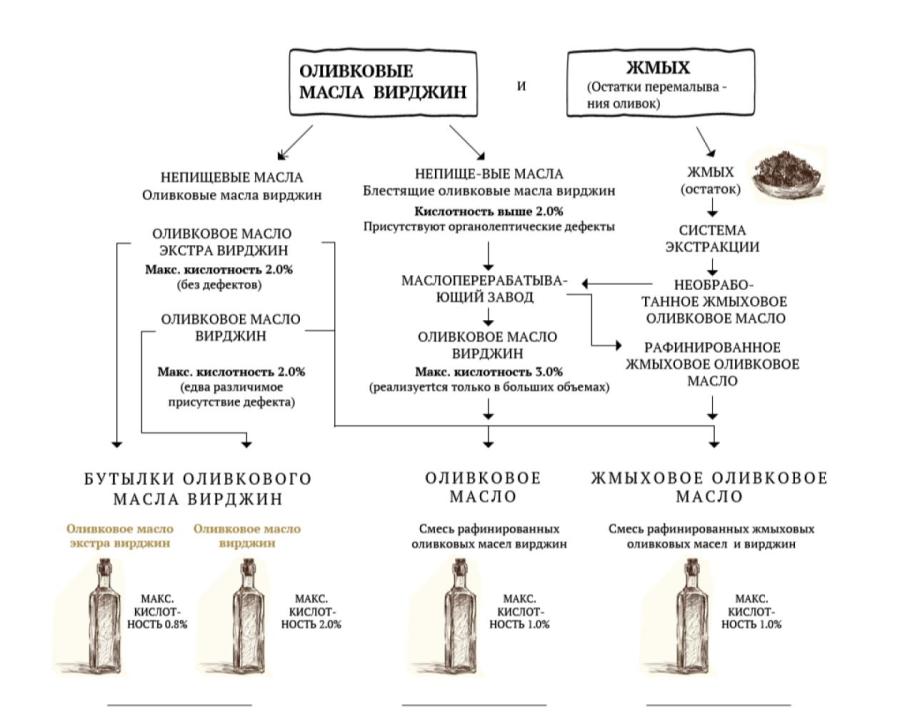
The Process of Producing Olive Oil
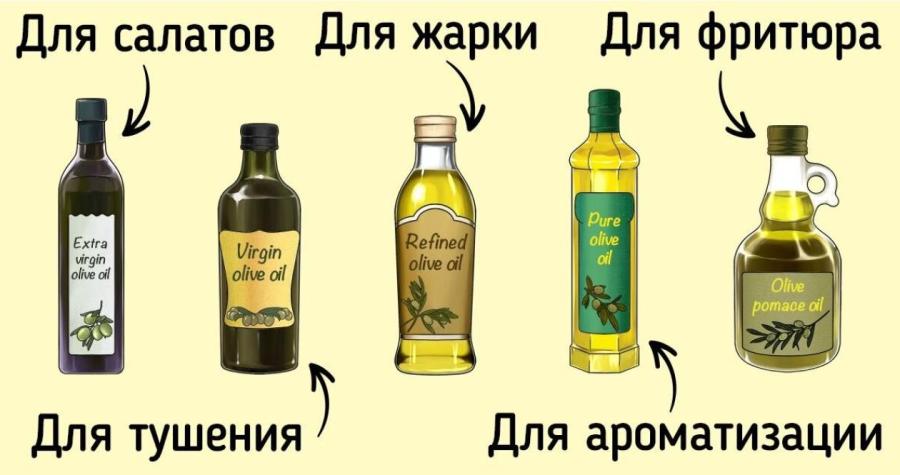
The European International Olive Council operates in Madrid and has established a classification for olive oil. The three main types are:
“Extra virgin olive oil” — this is unrefined oil obtained from the first cold pressing. During its production, olives undergo minimal processing, which helps retain the maximum amount of beneficial substances;
“Virgin olive oil” — differs from the first type in taste and quality characteristics. Its acidity is higher but does not exceed 2%. This oil has a strong aroma and also retains many beneficial properties;
“Refined olive oil” — this is oil obtained as a result of refining first-press oil. It is ideal for frying, as it does not release carcinogenic substances and has a neutral taste compared to other types.
Where Olive Oil is Produced
When choosing oil in a store, it is important to pay attention to the country of production.
This is related to the climatic conditions that affect the growth and ripening of olives. A warm climate, fertile soils, and bright sunshine contribute to the quality of the oil. In each country, there are also regions whose oils differ in taste and quality.
For example, in Italy:
* Tuscan (Tuscany) and Umbrian (Umbria) oils — have a darker color and rich aroma;
* Ligurian (Liguria) oil — light green in color, almost transparent;
* Sicilian (Sicily) — thicker, with a unique dark hue.
Which one to choose is a matter of personal preference. To avoid disappointment, it is advisable to determine in advance which oil you prefer.
Labeling of Olive Oil
There are several types of labeling for oil, which depend on the place and stages of its production:
PDO/DOP — this mark protects against counterfeits and indicates that the entire production cycle of the oil was completed in one locality: from harvesting to bottling;
IGP — this mark indicates that at least one phase of the product's production took place in a region recognized by the European Union. For example, this may be only processing or only cultivation. Accordingly, the standards for such oil are lower;
Bio — the labeling indicates that no chemical or genetically modified substances were used in the production process. The presence of this mark is a recommendation for purchase.
When choosing oil, pay attention to such quality marks to avoid counterfeits.
Olive oil is widely used in various recipes: in salads, baking, sauces, and confectionery. It is not only healthy but also adds a refined taste and aroma to dishes. Once you find your favorite type of oil, you can discover new facets of familiar dishes!
Source: "Will It Be Delicious? Did You Wash Your Hands?"