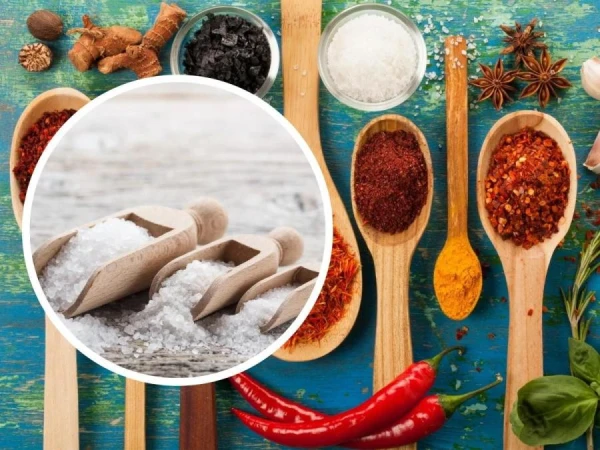
Recommendations for salt consumption may vary depending on age, gender, level of physical activity, and health status. However, there are generally accepted norms. Excess salt is better replaced with more beneficial options.
Table salt, known as sodium chloride, is a key component in cooking. On how to properly use salt and what can be substituted to enhance the health benefits of dishes, shared Ekaterina Kashukh, a gastroenterologist.
5 grams per day
The World Health Organization recommends that healthy adults limit their salt intake to 5 grams per day, which is just under one teaspoon. For children under 7 years old, this norm is half the specified amount, and infants under one year are generally advised not to add salt to their food.
“It is important to consider that this refers not only to pure table salt but also to added salt found in sauces, ready-made meals, fast food, canned goods, and even some desserts. However, it is not necessary to completely exclude them from the diet; in small amounts, they can be beneficial to health,” notes Ekaterina Kashukh.
Reduce salt intake
Reducing salt intake can be a challenging task: taste buds become accustomed to saltiness, and without it, dishes may seem bland.
Modern people are unlikely to imagine their lives without salt, as most dishes have been served with this addition since childhood. Nevertheless, it is important to control its quantity in the diet, and taste receptors can be retrained. This will take time, but the results will be noticeable.
“On average, it is possible to reduce salt intake within a month. This will allow for a better appreciation of the natural flavors of dishes and will positively impact health. It is recommended to gradually decrease the amount of salt and at least not add it to the plate,” adds the doctor.
Salt substitutes are a myth
Everything that gives dishes a salty flavor contains salt in one form or another. Therefore, salt substitutes that do not contain NaCl are a myth and a marketing gimmick.
“Such ‘salt substitutes’ include powder made from the leaves of the salicornia plant, which predominantly grows in coastal areas. The leaves of salicornia contain sodium, potassium, and magnesium salts, as well as vitamins and trace elements, including iodine. Due to its low NaCl content, its taste is milder than that of regular table salt, but it cannot be considered a full-fledged salt substitute,” explains the doctor.
Another natural option is dried seaweed, which is available in flakes or powder. They impart a salty flavor to dishes and contain 95% less sodium than table salt, as well as being a good source of iodine.
There are virtually no contraindications to plant-based salt substitutes, although some individuals may have a personal intolerance.
Potassium salt: caution is necessary
In stores, you can also find other “salt analogs” with low sodium content, where sodium chloride is mixed with potassium or magnesium chloride in various proportions. There is also completely potassium salt available. However, people with kidney disease, heart failure, diabetes, and those who regularly take medications to lower blood pressure should be more cautious with it.
Alternatives to salt
1. Zest
You can reduce the amount of salt in your diet by using ingredients that activate sour and spicy taste receptors. For example, lemon or lime juice and zest add freshness and acidity to dishes. Additionally, citrus fruits are rich in vitamin C, making food healthier.
2. Spices
Spices can also serve as a “substitute” for salt, enriching the flavor of dishes. You can use ground black and red pepper, aromatic herbs such as rosemary, thyme, and basil, or their mixtures in cooking. The main thing is to avoid combined seasonings, such as “for meat” or “golden chicken,” as they often contain added salt. Therefore, it is advisable to carefully check the composition on the packaging before purchasing.
3. Vinegar
Vinegar, whether apple or balsamic, helps make dishes less bland and more aromatic without harming health. It is recommended to use it as a salad dressing or add it to marinades.
“You cannot ‘salt’ a hot dish with vinegar. For cold dishes, it is sufficient to add a few drops or half a teaspoon of vinegar to achieve the desired acidity.
“Dousing salads with vinegar is not advisable, as this can lead to burns of the esophageal and stomach mucosa, damage to tooth enamel, and also reduce potassium levels in the blood, negatively affecting the bones,” warns the doctor.
Do not completely give up salt
It is impossible to completely replace salt with advertised “salt substitutes,” and this is not necessary. It is important to reduce its consumption to recommended levels: for healthy adults — up to 1 teaspoon, and for those suffering from heart and vascular diseases or edema — up to 1/3 teaspoon per day. You can also try using sour and spicy products in cooking, which will help add flavor without excess salt.