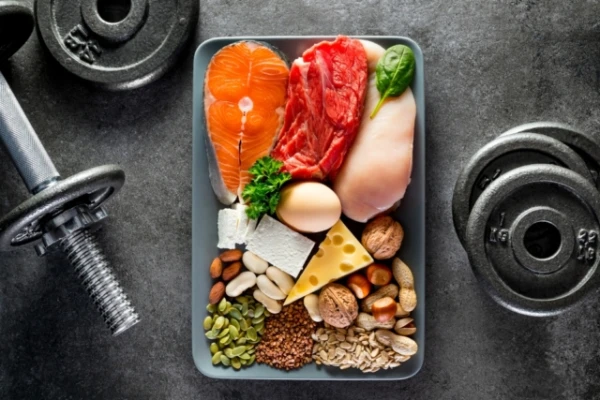
In the U.S., the recommended daily protein intake for adults has recently been doubled, suggesting a range of 1.2 to 1.6 grams per kilogram of body weight instead of the previous 0.8 grams.
However, as experts note, this recommendation has raised questions, as data from 2013 and 2021 indicate that the average American already consumes about 1.2–1.4 grams of protein per kilogram, which exceeds the old norm.
Protein is certainly important as a building block for muscles, hormones, and enzymes, but its excess, especially without corresponding physical activity, may not provide additional benefits and can even be harmful.
There is no official universal upper limit for protein intake, as needs vary greatly depending on age, body weight, activity level, and health status. However, excessive intake, typically considered to be above 1.6–2 grams per kilogram, is associated with a number of negative consequences. Studies indicate a potentially increased risk of bone mass loss, kidney stone formation, and cardiovascular diseases. In particular, excess of the amino acid leucine may hinder immune cells from clearing blood vessels of plaques.
Moreover, diets rich in purines, such as red meat, organ meats, and certain seafood, can trigger the development of gout. It is also important that increased protein intake should not come at the expense of other nutrients—fiber, healthy fats, and complex carbohydrates. For individuals with pre-existing kidney diseases, high-protein diets are particularly dangerous, as they place additional strain on this organ.
Ultimately, experts agree: the key to health is not blindly following numbers, but rather a balanced diet that takes individual needs and lifestyle into account.