
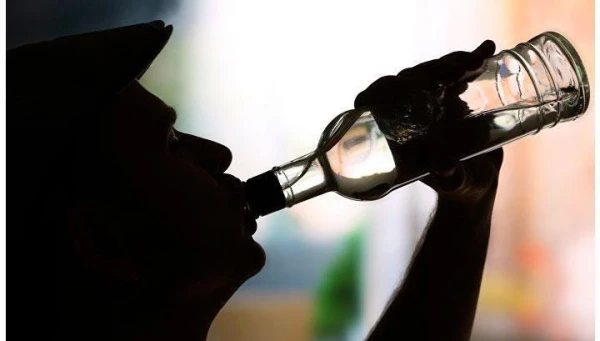
To answer the question of whether it is possible and necessary to drink water with alcohol, it is important to understand what happens in the body when consuming alcoholic beverages. Let's explore this together with an expert.
Experts explain that ethanol affects the balance of hormones responsible for maintaining water and electrolyte levels in the body. The process of urine formation is activated, resulting in rapid loss of fluids and minerals, leading to hypohydration.
A deficiency of water in the context of drinking is one of the key factors in the occurrence of characteristic morning symptoms — dry mouth, thirst that is hard to quench, headache, and general weakness.
What Is the Best Way to Drink Alcohol
The best option is water, including regular drinking water or lightly carbonated mineral water.
It is known that the balance of hormones regulating fluid and electrolyte concentration, such as vasopressin, aldosterone, and renin, is disrupted during a hangover. Therefore, if you want to minimize the risk of dehydration when consuming alcohol, the best strategy is to alternate alcoholic beverages with water and monitor the total amount of liquid consumed.
Melanie Betz
Dietitian, University of Chicago (USA)
Moreover, experts emphasize that timely replenishment of "water resources" supports the cardiovascular system, protects against fluctuations in blood pressure, and reduces the toxic load on the brain. Therefore, monitoring hydration levels during gatherings is especially important for people suffering from heart diseases, vascular issues, and hypertension.
How much water should one drink? Practicing hydration specialists recommend following a simple rule: 250–300 ml of water for each standard drink — a glass of wine (150 ml), a bottle of beer (330 ml), or a shot of strong drink (30–45 ml). This is quite enough to compensate for the increasing diuresis and maintain water balance.
"According to international guidelines, it is recommended to drink 1 glass of water for each alcoholic drink," explains Elena Gukasian, a nutrition consultant and co-author of digests in the professional community of evidence-based nutritionists PubNutr. "If you choose to go for mineral water, it is best to use low-mineralized (up to 2 g/l), non-carbonated or minimally carbonated water, with sodium, potassium, and magnesium. It is advisable to avoid highly carbonated or high-sodium options (which can increase thirst and strain on the heart)."
Can alcohol be washed down with something else? According to psychiatrist and addiction specialist Sergey Grebenyukov, to reduce the severity of hangover syndrome, one can consume brine as a source of moisture and electrolytes along with alcohol, while jelly can help reduce the risk of damage to the gastric mucosa and slow the absorption of ethanol.
Water balance can be replenished not simultaneously with the consumption of alcoholic beverages, but in advance — drinking 1–1.5 liters of water before the gathering. This way, both intoxication and hangover will be less pronounced.
Sergey Grebenyukov
Psychiatrist, Addiction Specialist
Which Mineral Water to Choose
Mineral water with sodium and potassium helps maintain electrolyte balance, which is disrupted by increased fluid excretion.
Options with magnesium help relieve muscle tension and reduce fatigue the next day.
Carbonated water replenishes fluids as well as regular water, but carbon dioxide can irritate the gastric mucosa more and may provoke feelings of bloating and discomfort.
A too high concentration of minerals (above 1000 mg/ml) can irritate the stomach, while a low concentration (up to 150 mg/ml) will not provide a noticeable effect, so it is better to choose a medium level of mineralization (300–600 mg/ml).
Frequently Asked Questions
Why Is It Better Not to Mix Strong Alcohol with Beer and Sparkling Wine
Beer and sparkling wine contain carbon dioxide, which activates the absorption of alcohol from the intestine, so ethanol from strong drinks is absorbed faster, leading to quicker intoxication and increased toxic load on detoxifying organs.
How Does Water Temperature Affect Alcohol Absorption
Temperature affects the rate of gastric emptying: cold liquids slow down the process, while warm ones slightly speed it up. The main factor is the total volume and regularity of water consumption.
How Does Alcohol Affect Electrolyte Levels in the Blood
Alcohol activates diuresis and promotes the excretion of sodium, potassium, magnesium, and chloride. This can lead to muscle cramps, palpitations, and fatigue.
What Factors Affect the Rate of Alcohol Absorption into the Blood
The presence of food in the stomach. Solid food slows the passage of alcohol into the small intestine, where absorption occurs more quickly. The more food there is, the slower alcohol enters the bloodstream.
Alcohol concentration. Strong drinks (whiskey, vodka) raise blood ethanol levels faster than low-alcohol drinks (beer, wine).
The combination of different types of alcohol (for example, strong spirits plus beer) accelerates absorption.
The pace of consumption. The shorter the pauses between "rounds," the faster the ethanol level in the blood rises.
Gender, weight, and physiology of the person. Women and slender individuals will register a higher level of ethanol in plasma than men and those with higher body mass. Additionally, the activity of liver enzymes matters (it may decrease in liver pathologies).








Leave a comment