Some fruits have a ripening season in late autumn, so they are available throughout winter and contain a lot of beneficial substances.
Endocrinologist-dietitian Maria Brizhan listed for AiF the leading fruits that can provide natural vitamin support to the body in winter.
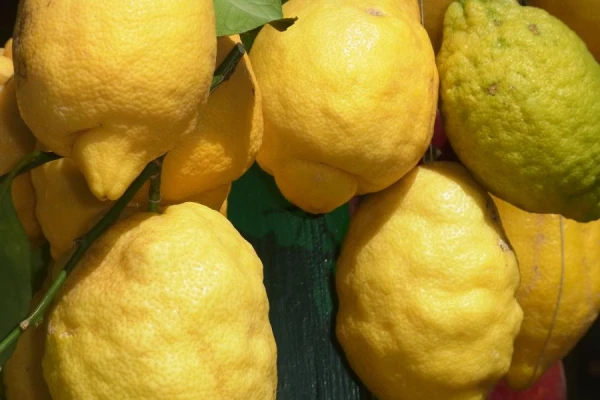
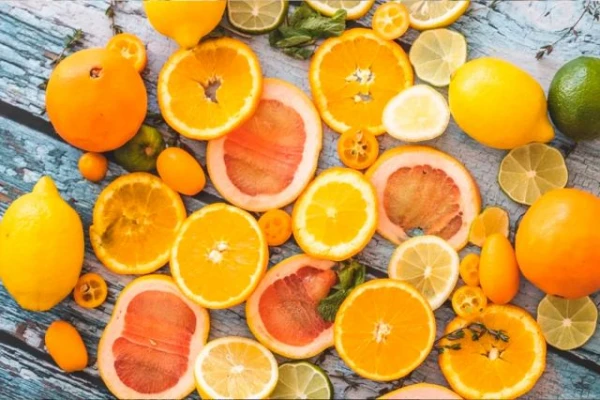
Citrus fruits (orange, tangerine, lemon, grapefruit, pomelo, lime)
Rich in vitamin C, which, being a powerful antioxidant, strengthens the immune system and has anti-inflammatory effects. It also regulates blood clotting, positively affects tissue regeneration, promotes iron absorption in the body, strengthens the vascular wall, and participates in collagen synthesis. Citrus fruits contain B vitamins, potassium, calcium, and magnesium, and are a source of dietary fiber. One orange covers the daily requirement for vitamin C. Not just oranges. 10 products rich in vitamin C | Photo gallery Rosehip (450–1000 mg). It has the highest content of ascorbic acid, and in dried rosehip, it is even twice as much as in fresh. And dried rosehip weighs much less. So, one should take out the stock prepared in autumn and brew it, adding it to tea.
Pomegranate
Contains vitamins C, K, and B group, as well as a whole range of minerals (potassium, iron, magnesium, phosphorus, calcium, manganese, sodium, selenium, chromium, silicon, copper, and zinc). The powerful antioxidant, anti-inflammatory, and anti-tumor effects of pomegranate are due to unique antioxidants called ellagitannins. Slowing down aging processes, positively influencing the nervous and cardiovascular systems, wound healing, anti-helminthic, and anticonvulsant effects are what pomegranate can also delight us with. The fiber in pomegranate improves the digestive system's function.
Persimmon
Rich in vitamin A (in the form of beta-carotene), which is important for visual function. Consuming one persimmon provides about half of the daily norm of vitamin A. Lutein and zeaxanthin, which are beneficial for vision, are found in the skin of persimmons. The fruit is a source of vitamin C and B vitamins, which play a key role in the functioning of the nervous system, as well as positively affect the cardiovascular and digestive systems. Minerals (calcium, magnesium, iodine, phosphorus, manganese, potassium, and iron), fiber, polyphenols, and tannins enhance the nutritional value of persimmons. The flavonoids contained in persimmons have antioxidant and anti-diabetic properties.
Apples
Contain vitamins (A, C, E, K, and B group) and minerals (potassium, magnesium, iron, and calcium), fiber. Winter varieties of apples (Simirenko, Antonovka, Kulikovskoye, Antey, Bogatyr, Golden, Fuji) store well and do not lose their beneficial properties until spring.
Bananas
They contain vitamin B6, which plays an important role in the functioning of the nervous system. The amino acid tryptophan in bananas is a precursor to serotonin (the "happiness hormone"). So, these fruits are excellent for improving mood, memory, attention, and sleep. Vitamin C, potassium, magnesium, fiber, and antioxidants (mainly catechins) positively influence immunity, the functioning of the cardiovascular and digestive systems.