
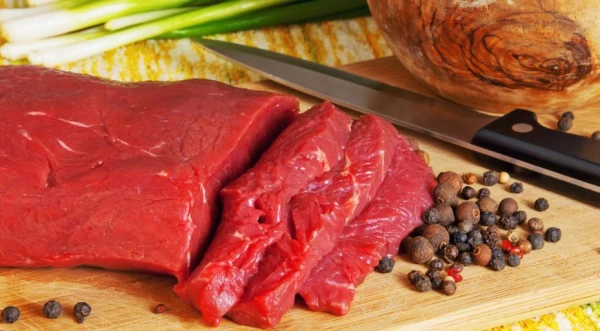
Beef is a well-known meat to us. Soups, pies, aspic, and beef stroganoff are made from it... And in recent years, steaks as well. But the bull is a large animal, and to ensure that dishes are always tasty, one must understand which cut to use for what.
Boiling is the simplest method. Any cut is actually suitable for boiling, but some of them are impractical to use this way. For example, boiling tenderloin or ribeye is too expensive, and the taste is mediocre, not comparable to that achieved by frying.
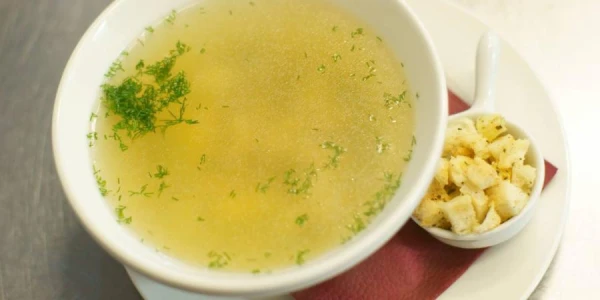
The best cuts for boiling, if you want a tasty broth, are simply bones, preferably marrow bones, which can be almost meatless. If you still want to use meat in soup or for stuffing, for pancakes or for pasta, then boil brisket on the bone, oxtail, or the upper part of the shank (the cross-cut pieces of bone are often called osso buco), as there is a lot of meat there. For aspic, use the lower part of the shank, where there is almost no meat, but a lot of connective tissue that provides collagen, and thus, jelly. Near the end of boiling, add a piece of meat, such as meat from the thigh, neck, or shoulder.
To get delicious juicy boiled meat, place it in boiling water, previously salted and with the addition of spicy vegetables and herbs.
Roasting
Of all types of roasted beef, the undisputed leader is roast beef, that is, a whole large piece of meat that can be eaten both hot and cold. Traditionally in Britain, the home of roast beef, different parts of the sirloin are roasted, most often from the upper part of the thigh (top sirloin) or tenderloin. Recently, roast beef from a cut called "tri-tip," a triangular muscle from the sirloin, has become popular. This meat quickly yields tender roast beef even with minimal effort. You just need to sear a whole piece of meat (weighing usually no less than 1 kg) on high heat on all sides, and then roast it to the desired doneness in the oven at a temperature of 180–220 °C, depending on the size of the piece.
For roasting, cuts from the long back muscle, cut along the axis of the thoracic vertebrae up to the 5th rib ("chuck roll"), boneless brisket, ribs (meat on the bone), and "eye" (a piece of the so-called eye muscle from the outer part of the thigh) are also good. But they require a lower temperature (140–160 °C) and more time in the oven (usually no less than 40 minutes per kilogram).
Braising
Long braising in aromatic liquid, with the addition of spicy herbs and vegetables, spices, and various sauces, broth, wine, tomatoes in their own juice (all together or several ingredients separately) is a great way to make tough meat juicy and tender, even if it has almost no fat.
For braising, it is worth choosing the meat from the shoulder, thigh, or the upper part of the shank, with or without bone. Cut the meat into large pieces — this way the stew will be juicier.
Pre-searing the meat before braising, known as sealing, does not affect the juiciness of the meat but improves the flavor of the finished dish.
Frying
For frying, a smaller part of the bull's carcass is suitable. After all, for the meat to be tender, it should not be from a working muscle, and there are few of those in the animal: it moves all the time. The thick flank (ribeye), thin flank (striploin), and the most expensive part of the carcass — tenderloin (filet mignon) are primarily used for steaks. This meat is not recommended to be cooked fully, as it will lose all its juiciness and most of its flavor.
In recent years, butchery specialists have learned to cut steaks from cuts that were previously not even considered. A striking example is the shoulder tender. The rest of the shoulder must be cooked for a long time: roasted at low temperature, braised, or boiled. And this small piece is cut across the fibers to make "Denver" or "top blade" steaks; from the flank, that is, the belly, — flank steak; from the diaphragm — machete.
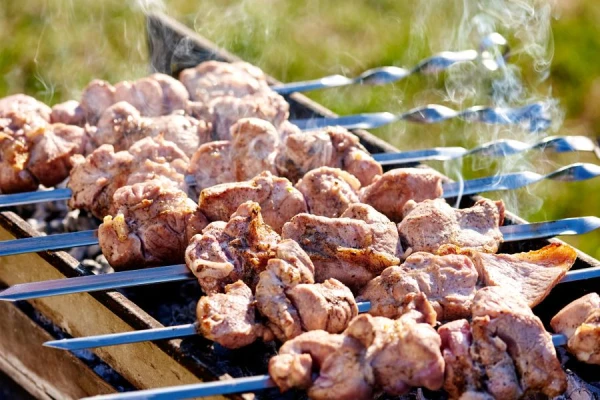
Another cut that yields delicious fried meat is the sirloin. It is great for grilling, cut into skewers or steaks.






Leave a comment