
Over the years, the parasite has affected more than 171,700 animals and 2,070 people in Central American countries.
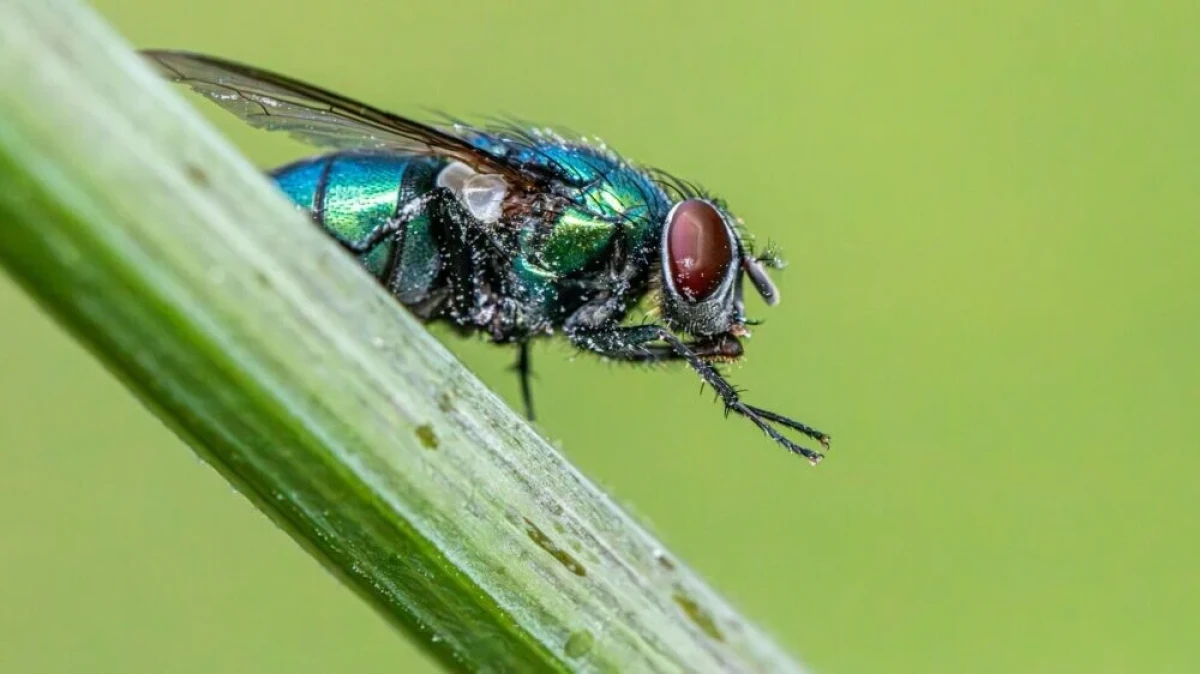
The Canadian Food Inspection Agency (CFIA) has announced temporary restrictions on the import of livestock from Texas following the discovery of a dangerous pest — the larvae of the meat fly — in the U.S. state. This parasite affects both domestic and wild animals, and in rare cases, can pose a threat to humans.
According to the new regulations, animals that were raised or present in Texas within 21 days prior to arriving at the U.S.-Canada border are prohibited from entering Canada.
Although the so-called New World screwworm, as these larvae are also known, is not found in Canada, experts note that during the summer months, the climatic conditions in the country may temporarily support the survival of the parasite. The meat fly thrives in hot and humid weather with temperatures ranging from 25 to 30 °C.
"The larvae of this parasitic fly, which feed on living flesh, pose a serious threat to the lives of infected animals. Although Canada’s cold climate is not suitable for the permanent existence of the pest, it can survive for a short period during the summer. Therefore, the introduction of restrictions is seen as a justified measure to prevent the parasite from entering the country and to protect animal health," the statement said.
The agency urged animal owners and veterinarians to closely monitor for possible signs of infection. The parasite enters the body through open wounds, so increased inflammation and deterioration of damaged tissues may indicate the presence of larvae. Canadians traveling to Texas with pets are also advised to regularly inspect their animals.
CFIA will continue to work closely with American counterparts to assess the situation and adjust measures as necessary. Several U.S. states have also taken preventive measures to reduce the risk of the parasite spreading.
Spread of Meat Fly Larvae in the U.S. The first case of screwworm infection in Texas was identified on June 3 in cattle in Zavala County. Larvae were found in the navel area of a three-week-old calf, RTVI.US reported earlier. On Friday, a second infection was reported. The parasite was also identified in a calf during inspections of suspicious cases, Newsweek writes.
A quarantine zone has been established around both infection sites. Movement of animals outside this zone is prohibited without prior inspection. Specialists from the U.S. Animal and Plant Health Inspection Service and the Texas Animal Health Commission continue to search for signs of infection in other animals in adjacent areas and collect suspicious samples.
Texas Governor Greg Abbott has expanded the state of emergency across the entire state and ordered the deployment of "all available resources" to combat the threat if necessary. An accelerated introduction of male flies infected with a special bacterium is planned, which will sterilize females during mating and prevent the pest from reproducing.
Unlike most maggots that feed on dead tissue, screwworm larvae attack healthy tissues, often leading to the death of the animal. Females lay eggs in open wounds and even small scratches, and larvae appear within a few hours. Characteristic signs of infection include painful wounds and the presence of larvae in the nose, ears, genitals, or navels of newborn animals.
The meat fly is most commonly found in South America, some Caribbean countries, and recently in Central America and Mexico, Newsweek notes. The parasite primarily spreads through the movement of infected animals.
Federal and local authorities in the U.S., as well as representatives from the livestock industry, have warned about the threat of the parasite advancing through Mexico to the U.S. border for nearly two years — since November 2024, when infection was confirmed in southern Mexico, according to the Associated Press.
Over the years, the parasite has affected more than 171,700 animals and 2,070 people in Central American countries. A total of 10 fatalities among humans have been recorded.
A year ago, U.S. authorities closed the border to Mexican cattle to curb the spread of the disease. Before the restrictions were imposed, the country imported more than one million head of cattle from Mexico annually, accounting for about 4-5% of the total volume of animals used for beef production. After importation, the animals were fattened on American farms and then sent to meatpacking plants.
The border closure has generally impacted the $100 billion beef production industry in the U.S., as Texas is the leading livestock state. At the same time, Mexican producers, despite the fact that the screwworm has already affected nearly 28,000 animals, have taken advantage of the situation to expand local feedlots and meat processing facilities, Reuters reports.
















Leave a comment