The essence of the deal lies in gaining control over the entry point for American viewers into the digital space.
The American sports media market is undergoing a radical shift in the rules of the game. The collapse of the ambitious consortium Venu Sports and price wars with IT giants forced broadcaster Fox Corporation to exit the race for exclusive content. Instead of further inflating bids in overheated tenders, Rupert Murdoch's corporation acquired the Roku platform, taking control of the leading operating system for Smart TVs in the U.S.
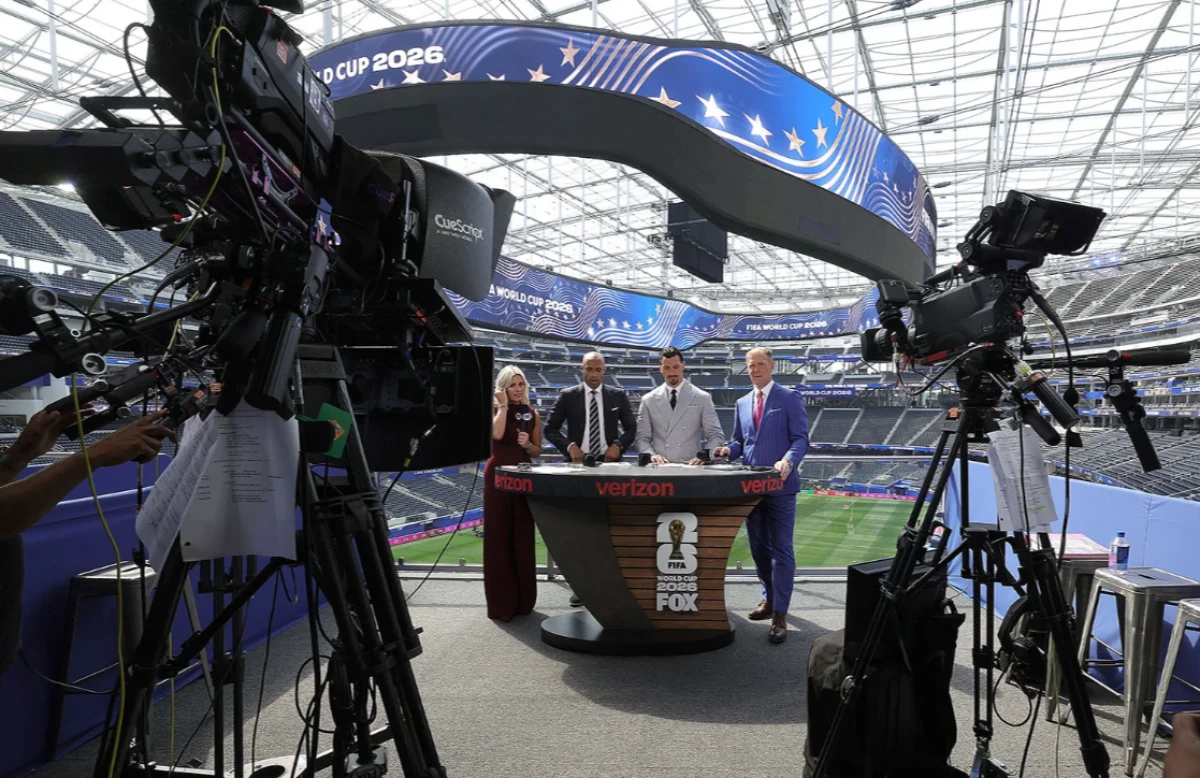
Ahead of the 2026 World Cup, Fox also secured a discount from FIFA, acquiring rights for just $485 million, despite their market value being $1–1.5 billion, as noted by The New York Times. The federation had to make concessions without conducting an open tender — such unprecedented generosity served as compensation for the rescheduling of the 2022 World Cup in Qatar to winter, which disrupted Fox's entire fall broadcasting schedule.
Instead of further participation in overheated sports tenders, Fox decided to acquire the television operating system itself. In early summer, the company announced the acquisition of the streaming platform Roku for $22 billion, which is involved in streaming and manufacturing smart TVs.
"This move by Murdoch is a major bet to make streaming free," notes The Washington Post.
As American viewers show fatigue from the constant rise in subscription prices, Fox is rolling out an alternative model that is fully funded by advertising. The practical essence of the deal lies in gaining control over the entry point for American viewers into the digital space. Roku maintains its leadership in the Smart TV market by providing software for millions of TVs from various brands. Owning this platform gives Fox powerful levers of influence.
The corporation takes control of the main screen interface and recommendation algorithms, allowing it to directly promote its own broadcasts and keep fans within its ecosystem, bypassing third-party app stores like Apple or Google. Simultaneously, Fox gains access to physical branding of equipment: the company now allocates spots for branded quick-access buttons on remote controls, embedding its services.
However, the main value of the acquisition lies in user data. The Roku operating system continuously accumulates information about viewer behavior, requests, and preferences. Collecting this information allows Fox to completely abandon the sale of standard airtime. Sports advertisers — from betting companies to automotive brands — gain access to precise interactive targeting based on 100 million active accounts. This drastically increases the effectiveness of advertising around matches, turning the television into a full-fledged digital tool for promoting any products.