
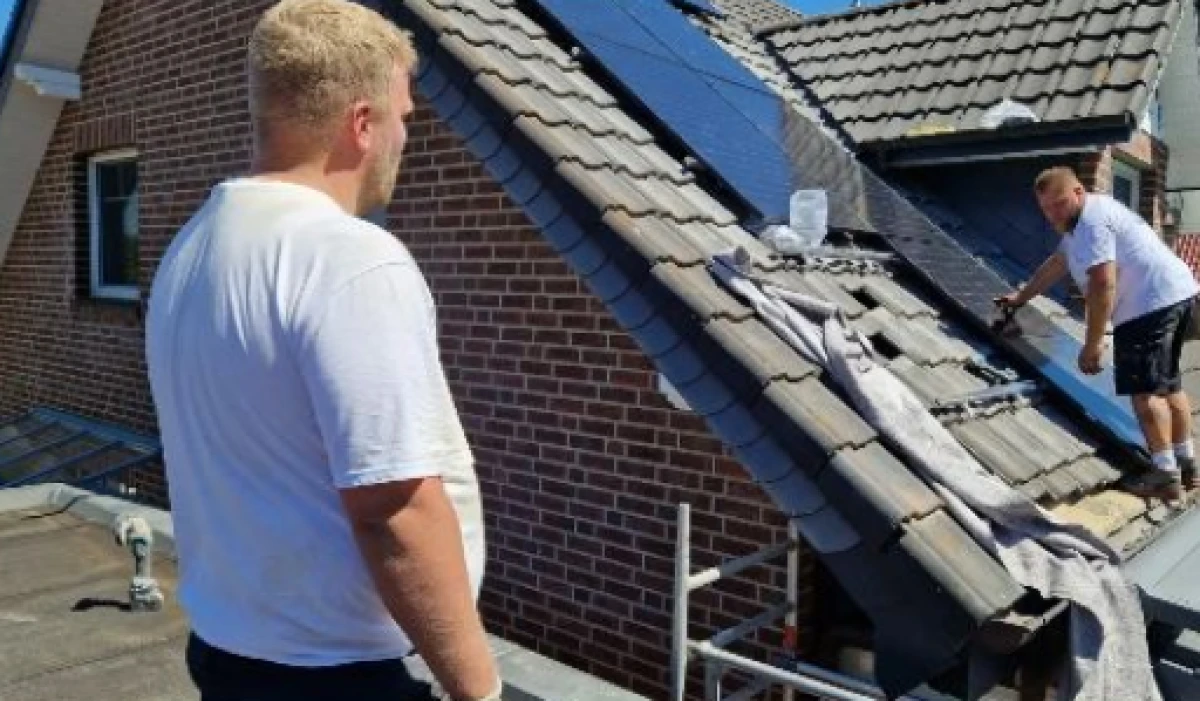
For many residents of Germany, energy independence is becoming the most important argument.
The rise in gas and oil prices has unexpectedly rekindled the interest of Germans in solar energy. A boom in the solar industry: homeowners are rushing to install panels, fearing new energy costs and potential cuts in government support.
Not long ago, the German market for home solar power plants was experiencing a downturn. After several years of rapid growth, demand began to decline. However, the situation changed literally within a few weeks, as reported by t-online.
According to industry representatives, the boom in the solar industry began after the escalation of the conflict surrounding Iran. Against the backdrop of instability in global markets, oil and gas prices surged. As a result, many homeowners began to consider generating their own electricity.
An additional stimulus came from the plans of Economy Minister Katharina Reiche from the CDU to review the existing support measures for solar energy.
Experts note that consumers are eager to make decisions in advance while the financing rules remain unchanged.
Demand for Panels Increased in Just a Few Weeks
The first signs of recovery appeared as early as spring. According to the Federal Association of Solar Energy in Germany, in April, the volume of new home photovoltaic installations reached 0.33 gigawatts of peak power. This is 4% more than a year earlier.
The figure looks particularly significant against the backdrop of previous months. From January to April, homeowners installed solar systems with a total capacity of 1.24 gigawatts. This is still 16% less than last year's level; however, the trend has changed.
For the market, another aspect is more important. The number of new orders is growing significantly faster than the official statistics on commissioned facilities. The reason is simple: several weeks usually pass between signing a contract and launching an installation.
The boom in the solar industry: installation companies are recording a record number of applications. The Berlin company Enpal reported that it received orders worth 250 million euros in March and April. This is more than 30% higher than the figure for the same period last year. The company's management believes that the main factor is the energy risks caused by the international situation.
A similar picture is observed at Eon Energie Deutschland.
According to the company's head, Philipp Ton, the number of inquiries from private clients has more than doubled. Moreover, the growth is noticeable not only compared to last year but also relative to the beginning of the current year.
Experts emphasize that such figures cannot be explained by ordinary seasonality.
What the Possible Cancellation of Einspeisevergütung Means
One of the most discussed topics remains the future of the Einspeisevergütung system. For many Russian-speaking residents of Germany, this term may be unfamiliar. It refers to the guaranteed payment for electricity that the owner of solar panels feeds into the general power grid.
Today, such a system helps to recoup investments in solar installations more quickly. A survey by Statista among 2000 homeowners showed that even a possible cancellation of fixed payments would not stop the market's development.
Survey results of homeowners:
- About 75% are willing to install solar panels even without guaranteed payment for feeding energy into the grid;
- 12% have not yet made a final decision;
- 10% are likely to refuse to purchase;
- 4% will definitely not invest in installation.
These data show that for many residents of Germany, energy independence is becoming as important an argument as government support.
The Industry Fears Sharp Political Changes
Despite the current growth, business representatives warn of risks. Companies note that investors and private buyers need stable rules. Frequent changes in legislation create uncertainty and hinder long-term planning.
The Renewable Energy Sources Act (EEG) is particularly contentious. It determines the conditions for supporting solar energy, wind power plants, and other environmentally friendly energy sources.
What concerns industry representatives:
- Possible cuts in government subsidies;
- Cancellation of some financial incentives for solar installation owners;
- Lack of long-term guarantees for investors;
- Risk of a sharp drop in demand after the current upturn ends.
According to industry associations, the solar industry boom could quickly come to an end if authorities do not provide clear and stable conditions for the market.
The Solar Industry Boom: What It Means for Homeowners
Recent events show how much the energy market depends on global politics and government decisions.
Today, many families view solar panels not only as a way to save money but also as an additional protection against fluctuations in electricity prices.
Therefore, the current increase in demand is linked less to ecology and more to the desire to reduce dependence on external factors and make energy costs more predictable.






Leave a comment