
Military actions in the Middle East are forcing countries to reconsider energy strategies, seek new supply routes, and actively develop their own resources, stated the International Energy Agency (IEA).
The world is facing the largest energy security crisis in modern history, and this is already changing global investment strategies. This was stated by the Executive Director of the International Energy Agency, Fatih Birol, commenting on the consequences of the war in the Middle East.
According to him, the current situation is beginning to resemble the aftermath of the oil crisis of the 1970s, after which many countries radically revised their energy policies.
"We are already seeing intensified efforts from both producing and consuming countries to diversify trade routes and energy sources," Birol noted.
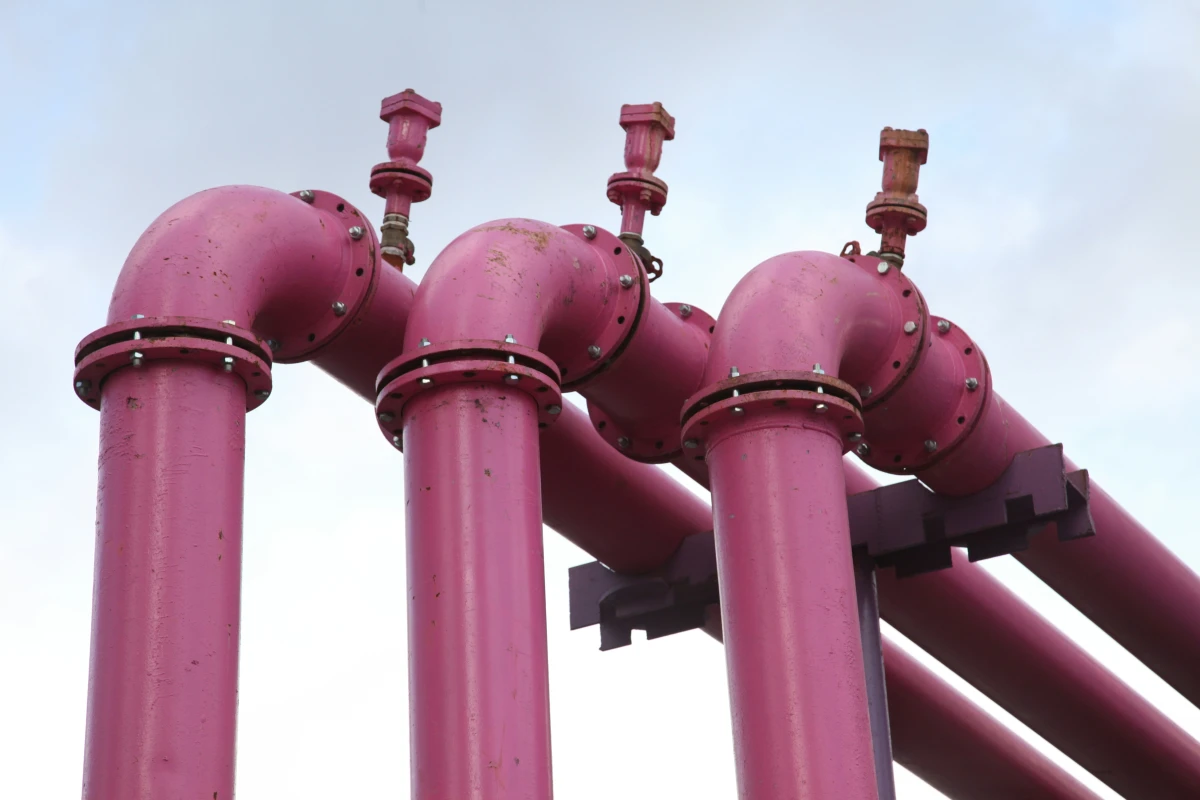
According to the IEA, countries are simultaneously developing new pipelines and supply infrastructure while also trying to make more active use of domestic energy resources.
Against this backdrop, global investments in energy could reach $3.4 trillion by 2026. Of this amount, about $2.2 trillion is planned to be directed towards electricity grids, energy storage, renewable sources, nuclear energy, low-emission fuels, and electrification. Another approximately $1.2 trillion will be invested in oil, gas, and coal.
Despite rising oil prices, investments in the oil sector are expected to decline for the third consecutive year, falling below $500 billion. The IEA explains this by the uncertainty regarding future oil prices, high project costs, and increased competition in the offshore drilling market.
At the same time, investments in the gas sector continue to grow. According to the agency's forecast, investments in gas will reach $330 billion — the highest level in the last decade. The main drivers will be liquefied natural gas export projects in the USA and Qatar.
Simultaneously, many oil-importing countries are accelerating their transition to domestic energy sources. Investments in renewable energy and nuclear energy are growing particularly rapidly. According to the IEA, investments in renewable energy this year will reach approximately $665 billion, of which $365 billion will be for solar energy.
Investments in nuclear energy could exceed $80 billion per year.
At the same time, against the backdrop of fuel supply problems and instability in global markets, interest in coal is also rising. Investments in coal mining, according to the agency, could reach $180 billion — the highest level in the last ten years.
In fact, the current crisis is accelerating several processes at once: the struggle for energy independence, the development of alternative energy, and the restructuring of global fuel supply routes.














Leave a comment