
Seven years after the start of a large-scale reform of the banking sector, Latvia received one of the best ratings from Moneyval for its fight against money laundering. However, along with a more transparent system, the country faced side effects — the banking sector has become noticeably smaller, and growth lags behind its neighbors.
The reform initiated seven years ago to 'cleanse' the Latvian banking system of non-resident money has effectively only been completed this year, writes Ir.
Experts from the Council of Europe’s Moneyval committee, which assesses anti-money laundering measures, acknowledged that Latvia has managed to create an effective and transparent financial system resilient to the risks of legitimizing criminal funds.
As noted by the head of the Financial Industry Association, Uldis Cerps, Latvia received one of the best ratings among all countries undergoing such an assessment. According to him, out of approximately 40 recommendations, only one remains fully unfulfilled — it concerns the regulation of certain professions, particularly notaries and real estate agents.
The large-scale reform of the banking sector began after international pressure on Latvia due to the high volume of non-resident money, primarily from former Soviet states. At that time, Latvian banks actively serviced clients from Russia, Ukraine, Kazakhstan, and other post-Soviet countries.
After a series of scandals and the threat of being placed on the Moneyval 'grey list', the authorities began strict tightening of controls, and banks massively refused high-risk clients.
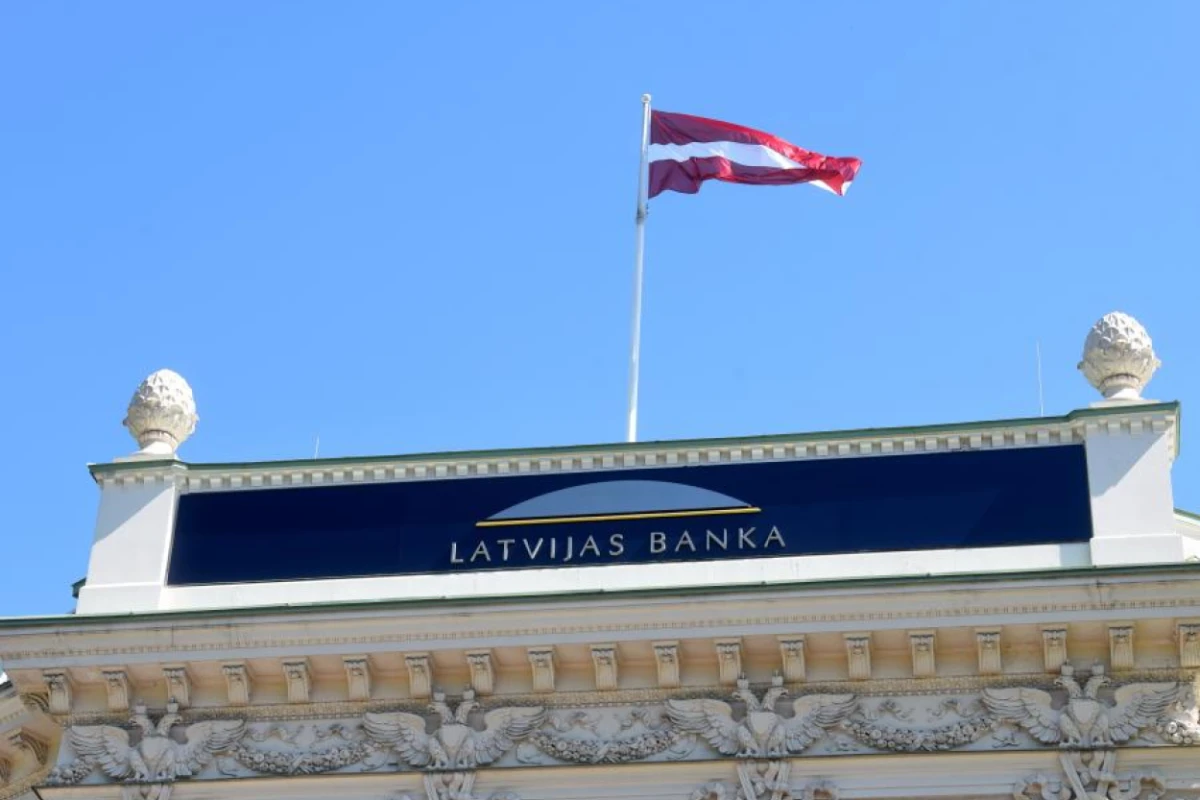
The President of the Bank of Latvia, Martins Kazaks, acknowledges that the reform has also brought negative consequences. According to him, the country now needs a more competitive and diverse banking sector with a greater number of participants and international activity.
Against the backdrop of neighboring countries, the Latvian banking market indeed appears significantly less dynamic. While in Estonia the volume of deposits has nearly doubled, and in Lithuania it has increased by about four times, in Latvia the growth has been minimal.
Experts believe that this reflects not only the consequences of the 'capital repair' of banks but also the broader economic lag of the country.
At the same time, a comprehensive assessment of the economic consequences of the reform has not yet been conducted. The only known calculations date back to 2014: at that time, KPMG auditors estimated the contribution of the non-resident banking business at about 1.14% of Latvia's GDP.
Supporters of the reform emphasize that the country has gained much more important advantages — transparency of the financial system, reduced influence of organized crime, and decreased geopolitical risks. This has proven particularly important following the onset of Russia's full-scale war against Ukraine.
"The fact that Latvia's financial system was cleansed of Russian money by the time of the invasion had colossal geopolitical significance," said Cerps.
Now the main question for the industry is whether Latvia can turn its financial sector back into a source of economic growth after the strict 'cleansing', but without the previous risks.











Leave a comment