The war in the Middle East has intensified the crisis in Europe’s chemical industry, which is facing high energy prices, declining demand, and competition from Chinese manufacturers. This is reported by the Financial Times (FT).
Rotterdam: I Won’t Give Up
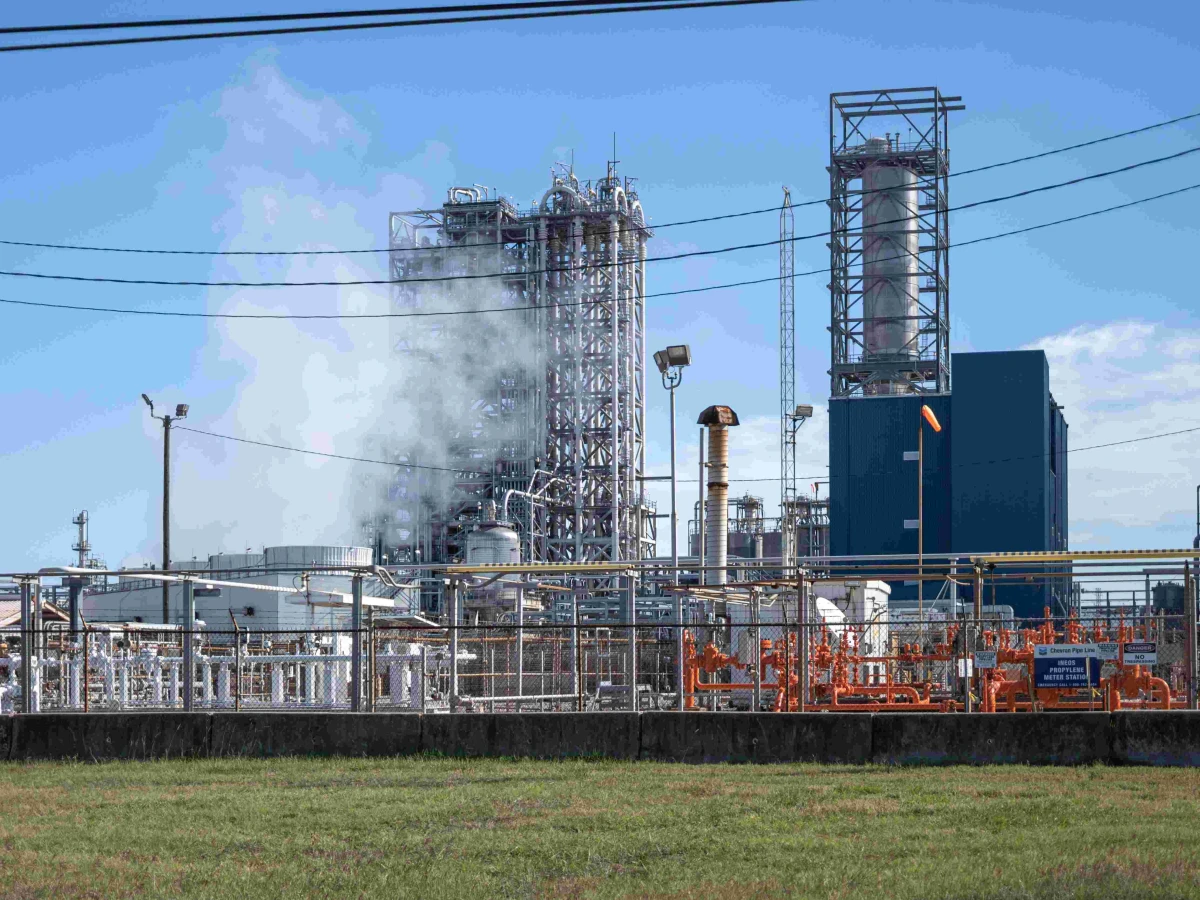
The publication describes the chemical cluster of the port of Rotterdam — one of the largest in the world — as a symbol of the crisis. Over the past year, two out of ten companies in the cluster have closed their facilities.
Additionally, Mitsubishi announced the cessation of construction of an advanced manufacturing unit for the production of MXDA — a chemical intermediate used in high-performance coatings for ships, military equipment, and other industrial applications.
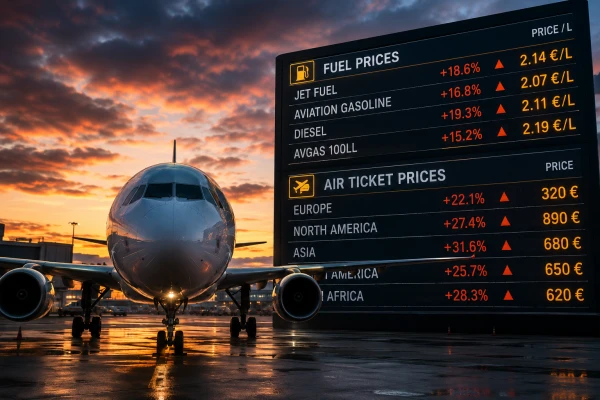
Although the conflict in the Middle East has brought some relief by disrupting the operations of Chinese factories that depend on raw materials from Gulf countries, it has also led to rising energy prices and increased price volatility for critical components like naphtha, which has had an indirect impact on chemical product markets, the article states.
We Are Losing Them
Peter Huntsman, CEO of Huntsman Corporation — a company managing operations across Europe, including the port of Rotterdam — told FT that events in the Middle East are further increasing energy costs and highlighting Europe’s dependence on external shocks.
According to the industry association Cefic, cited by the publication, the number of chemical plant closures in Europe has increased sixfold over the past four years. The continent has lost nearly 10% of its production capacity, and the cuts have affected around 20,000 jobs. Investments in the European chemical sector in 2025 have dropped by more than 80%.
Market participants believe that the industry's problems are not only due to high energy costs but also to increased competition from China. Before the conflict in the Gulf, European companies were already facing an oversupply of cheap Chinese chemical products, some of which were redirected to the EU after restrictions in the American market.
Linked by a Chain
FT notes that the chemical industry in Europe is built as a single interconnected system: the products of one enterprise are used as raw materials for another.
According to Yvonne van der Laan, Executive Vice President of the American chemical group LyondellBasell, the closure of individual plants can trigger a chain reaction throughout the sector. "This undermines the foundation of these integrated value chains. Once this starts happening, it’s just a matter of time before the entire ecosystem collapses," she believes.
Bayer Vice President Matthias Berninger, in turn, compared the situation to a game of Jenga, where blocks are gradually removed until the entire structure collapses.
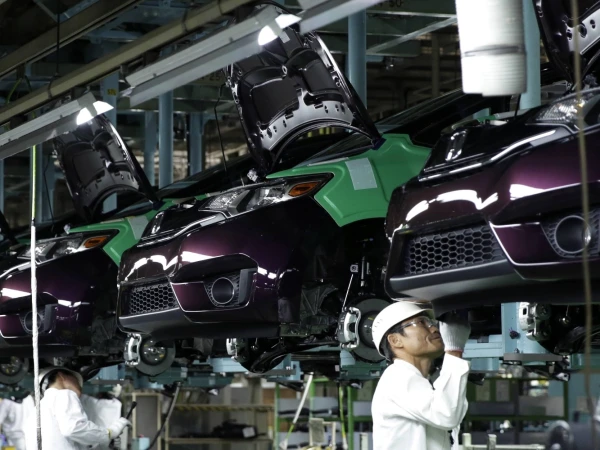
The chemical cluster of the port of Rotterdam is part of a network of facilities located throughout Europe and connected by pipelines. Rotterdam is linked to Antwerp, another major cluster, and both supply chemical substances to the Rhine and Ruhr regions in Germany, which are the "heart" of Europe’s heavy industry, including the automotive sector.
According to a forecast by the insurance group Atradius, chemical production in the EU and the UK will decline by 2.2% in 2026, which is 1.8% worse than pre-war expectations of analysts.