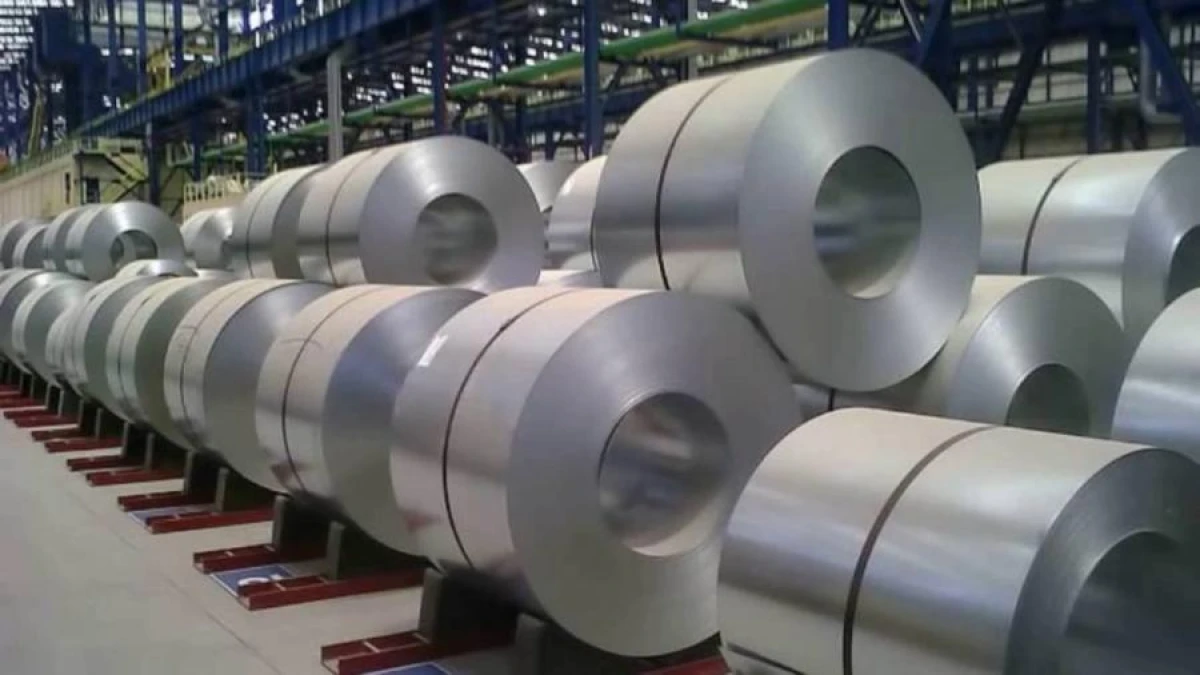
The construction of a steel and e-methanol plant is planned in Kundziņsala, according to information on the website of the Energy and Environmental Agency, writes LETA.
The State Environmental Service (SES) has applied the environmental impact assessment (EIA) procedure to the planned activities of the Riga Free Port Authority — the construction of a steel and e-methanol plant in Kundziņsala, Riga.
It is planned that the construction of the plant will take place at the addresses 40 Uriestkes Street, 48 k-1 Uriestkes Street, and 50 Uriestkes Street in Kundziņsala, Riga.
In Kundziņsala, it is planned to create a steel production facility and products made from scrap metal using electric arc furnace (EAF) technology, as well as integrated production of methanol and e-methanol using carbon dioxide (CO2) captured during the steel production process.
The planned production volume is up to 250,000 tons of steel and up to 60,000 tons of methanol per year. Specific technological solutions, including hydrogen production and energy supply, will be clarified during the EIA process.
The production process includes the preparation of scrap metal, melting in an electric arc furnace (about 45 megawatts), subsequent steel processing and rolling, as well as CO2 capture and its use in methanol synthesis. The project also includes the transportation of raw materials and products by sea and land, as well as the processing of slag of up to approximately 35,000 tons per year for use in construction.
The main raw material resources include scrap metal — up to 265,000 tons per year, water — 600,000 cubic meters per year, electricity, hydrogen, and other auxiliary materials. The project site is located in an industrial and transport infrastructure zone, in close proximity to port and logistics facilities, including a high-risk facility. The nearest residential development is located approximately 10 to 200 meters away.
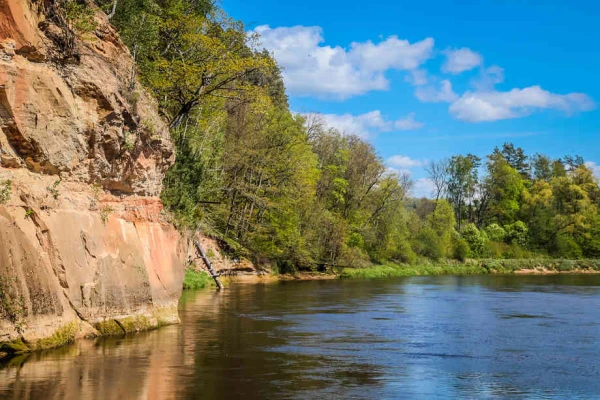
The nearest "Natura 2000" areas are located about three to four kilometers away, while an EU-significant habitat — alluvial forests — has been identified at the project site, as well as habitats of protected bird species.
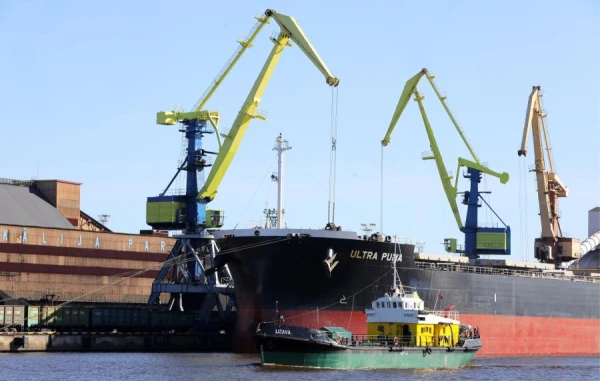
It was previously reported that in the Riga Free Port, a total of 16.749 million tons of cargo were handled in 2025, which is 7.3% less than in 2024, including 4.352 million tons in the first three months of the year.
Riga Port is the largest port in Latvia by cargo handling volume.