
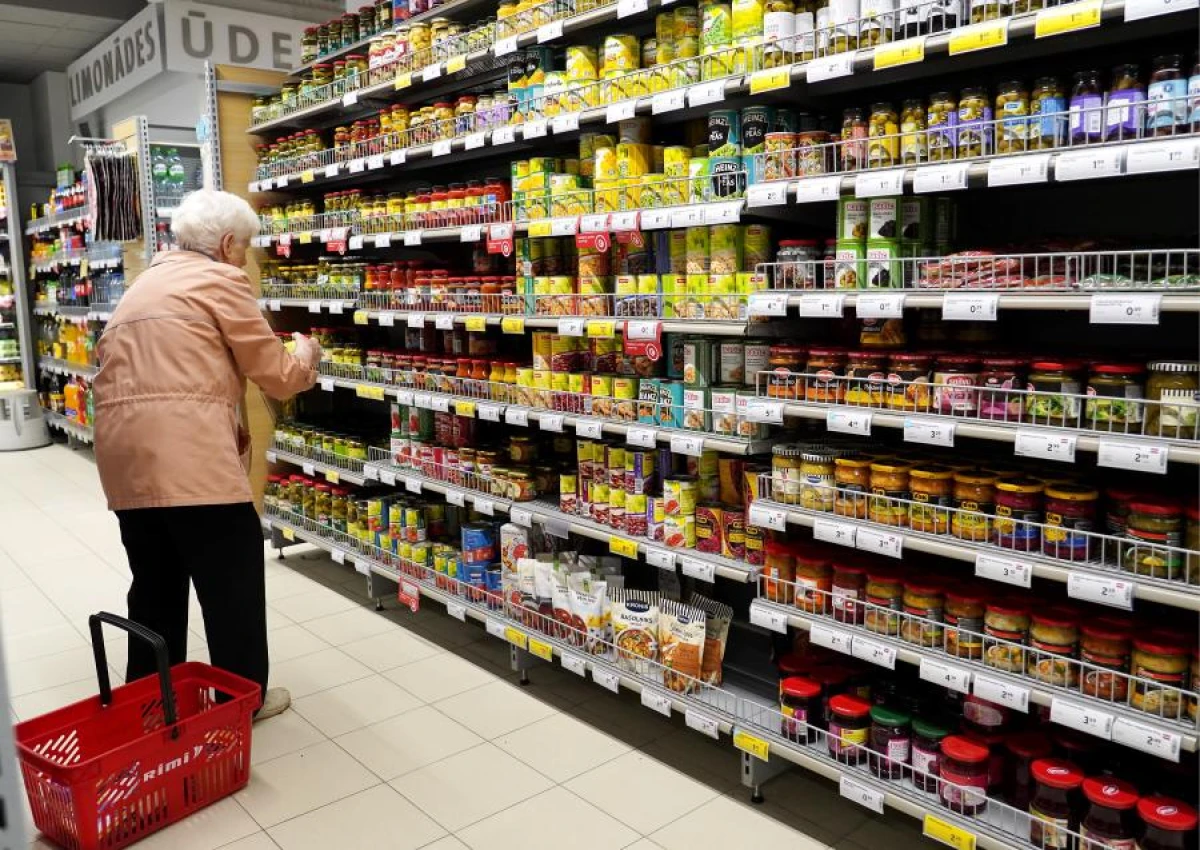
The memorandum on food prices signed last year was beneficial, but it is also clear that prices on store shelves are mainly determined by global food prices rather than various memorandums, said Ingunā Gulbe, head of the Agricultural Market Assistance Department at the Institute of Agrarian Resources and Economics, in an interview with LETA.
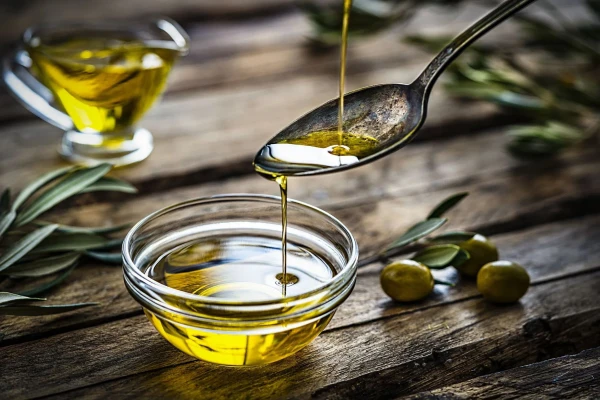
"The price on the store shelf is primarily determined by the level of global food prices. We cannot influence that. If the price of olive oil has risen in the world, it will rise in Latvia — we cannot do anything about it. We can write memorandums, orders, but it will be as it is," noted the expert.
In response to a question about the impact of the memorandum signed a year ago by the Ministry of Economics and several organizations involved in food production and trade, Gulbe pointed out that the benefit was at least that all participants in the food chain — producers, processors, and traders — were gathered 'voluntarily and involuntarily' at one table, even though "they do not particularly like each other." As a result, points of contact were found, the changes of which improved the situation for everyone. The issue of prices, competition, and what is happening on both the producers' side and in the trade sector was also highlighted at a high level.
"All of this was good, but, as I said, a memorandum cannot change the price level and cannot set prices for products in stores because that is a completely different price regulation system. If we start regulating in one place, then this chain will likely extend to everyone. Then we will start regulating the salaries of sellers, journalists — everything. We were recently in such a system and realized that it is unviable. Some countries have such a system where prices are regulated, but we hardly want to go there," said Gulbe.
She also emphasized that retailers should not solve problems that government policies do not address.
"I believe that the main task of the Ministry of Economics is to promote the development of the economy and entrepreneurship so that we have many wealthy enterprises that can pay high salaries to their employees, and so that they can go to the store and buy what they want. In many countries, food is much more expensive than it is here, but they simply have the money to buy it, and we do not — and that is our problem. I do not think it is the traders' task to solve such problems," Gulbe emphasized.
She noted that from a competition standpoint, it would be very good if another large grocery retail chain came to Latvia, as then producers would have an additional partner for negotiations, consumers would have more choices, and this would also affect prices, which was already observed when the 'Lidl' chain entered the Latvian market. At the same time, if Latvia becomes engrossed in various regulations and fines, it is unlikely that the already small Latvian market will be interesting to any other merchants.
As reported, in May 2025, a memorandum was signed to reduce food prices. It was signed by the Minister of Economics, the Latvian Association of Food Traders, the Latvian Chamber of Commerce and Industry, the Central Union of Latvian Dairy Farmers, the Federation of Food Industry Enterprises, the Council for Cooperation of Agricultural Organizations, the 'Farmers' Saeima' society, and other partners. The memorandum provides for the introduction of a low-price food basket, the creation of a price comparison tool, as well as an increase in the share of locally produced products in stores.
The memorandum stipulates the inclusion of at least one product from each of the ten main food categories in the low-price basket. These categories include bread, milk, cheese, cottage cheese, butter, sour cream, yogurt, buttermilk, fresh vegetables and fruits, pork, poultry, beef and veal, sheep and goat meat, fresh fish, eggs, flour and other grains, as well as vegetable oils.
At the same time, the Consumer Rights Protection Center, monitoring the implementation of the memorandum on food prices and the content of the low-price basket, concluded in February of this year that in Latvia, some of the product categories stipulated by the memorandum are often absent from the low-price baskets.
Currently, the memorandum is planned to be revised and to expand the range of products included in the low-price basket, to agree on a fair transfer of the reduction in the value-added tax (VAT) rate to the final price, and to assess the possibilities of promoting local products.






Leave a comment