
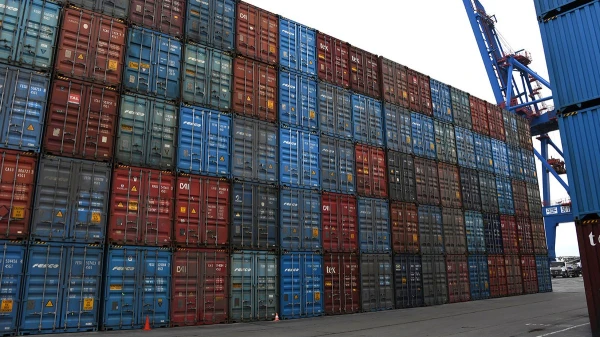
From fuel shortages to medication deficits: Asia is already feeling the effects of the Middle Eastern conflict. Find out how quickly this wave could reach the U.S. and impact the global economy, according to CNN's analysis.
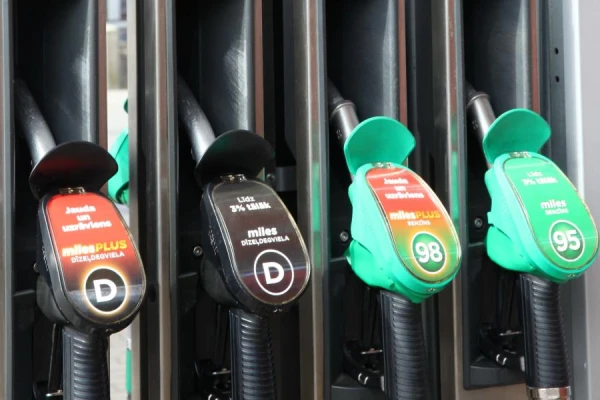
Gas stations in Asia are already limiting fuel sales, and hospitals are facing a severe shortage of medical supplies. These issues, which have already affected the Asian region, may soon impact the United States, according to CNN.
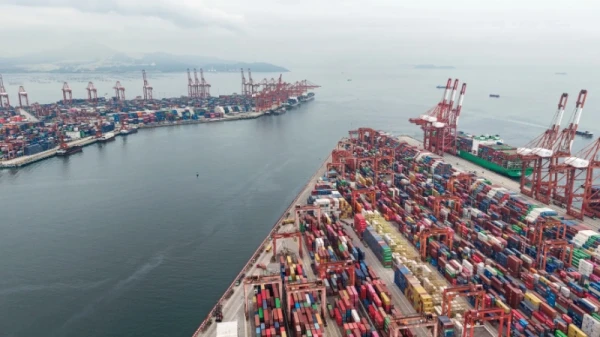
About half of all goods purchased by Americans come from Asia. The longer the Strait of Hormuz remains closed, the harder it will be for the U.S. to avoid the mounting difficulties that other countries are already facing.
Threat to Global Supplies
The war with Iran poses a serious threat to global supplies of key resources such as aluminum, plastics, and rubber. The Middle East is a critical supplier for the global economy.
According to CNN, the region accounts for about 25% of the world's polypropylene supplies and 20% of polyethylene, the two most widely used types of plastic. Additionally, the Middle East provides 25% of the world's sulfur supplies and 15% of fertilizers.
Economic Indicators and Expert Opinions
The global supply shortage indicator S&P 500, a key measure of logistics problems for large companies, has significantly increased in recent weeks. For the first time in three years, it has surpassed its long-term average, raising serious concerns.
Ross Mayfield, an investment strategist at Baird, noted in a CNN comment: "We [the U.S.] are more vulnerable than we think." This highlights the hidden risks to the American economy.
The U.S. economy is already under pressure from the Middle Eastern conflict, primarily through rising oil and gas prices. However, only a small portion, about 7%, of American energy imports pass through the Strait of Hormuz, according to the U.S. Energy Information Administration.
Stephen Brown, chief North American economist at Capital Economics, stated in a CNN comment that it is difficult to determine exactly how long disruptions in the strait must continue for the U.S. to experience supply shortages. Plastic and especially aluminum stocks are typically not held in large volumes, making the situation even more unpredictable.









Leave a comment