
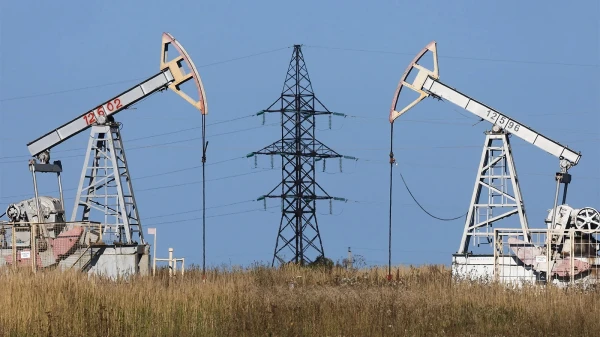
Currency interventions weaken the ruble and accelerate inflation.
The conflict in the Persian Gulf became an unexpected external impulse for Russia. World oil prices surged, and exports increased. For an economy that had just begun to emerge from a cooling phase, this could have been a lifeline.
The beginning of 2026 was, to put it mildly, unsuccessful for the federal budget. In January-February, oil and gas revenues plummeted by 47% year-on-year, their share in total revenues fell to 17.3%, and the deficit for the two months amounted to 3.5 trillion rubles — 91% of the annual plan. The Ministry of Finance has already started to draw from the National Wealth Fund, selling currency and gold to cover the gap.
The war in the Middle East changed the rules of the game. The sharp spike in oil prices brought additional revenues to Russia’s budget: according to estimates by the Financial Times, excess revenues in March could amount to between $3 billion and $5 billion.
However, even the maximum estimates of additional revenues (in rubles — about 400–500 billion) do not cover the deficit of the first two months. The main problem is not the amount of additional revenues, but how they will be distributed. The current budget rule is structured so that the higher the oil price, the more currency the Ministry of Finance is obliged to buy on the market, directing excess revenues into the National Wealth Fund. At the end of February, the government discussed the possibility of lowering the cut-off price to avoid active purchases and devaluation pressure.
Thus, Forbes.ru writes, the oil surge creates a paradoxical situation: the budget receives additional revenues, but these revenues do not go to expenditures but to currency interventions, which weaken the ruble and accelerate inflation. A temporary respite turns into new risks for monetary policy.
The next meeting of the Board of Directors of the Bank of Russia is scheduled for April 24. By that time, the regulator will have to answer a difficult question: whether to continue lowering the rate, risking accelerating inflation and undermining confidence in targeting policy, or to pause the easing cycle, acknowledging that the inflation target of 4% is unattainable under current conditions. The earlier choice in favor of lowering the rate was based on promises of budget discipline, which have now proven to be unfulfilled.











Leave a comment