The city appears as an isolated investment "safe," where asset values are rising contrary to external logic.
In March 2026, the real estate market of Iran's capital, Tehran, demonstrates an abnormal resilience. Despite military actions, the cost of housing in the city has not only not collapsed but has also stabilized at the level of Eastern European capitals. The weighted average price per square meter in Tehran today ranges from $2,100 to $3,800, bringing the city close to the figures of Budapest and Warsaw, creating a unique precedent in the global market. In the context of the devaluation of the national currency and inflation above 40%, real estate has effectively lost its social function, turning into the main protective asset for preserving private capital.
Let's Compare with Global Capitals
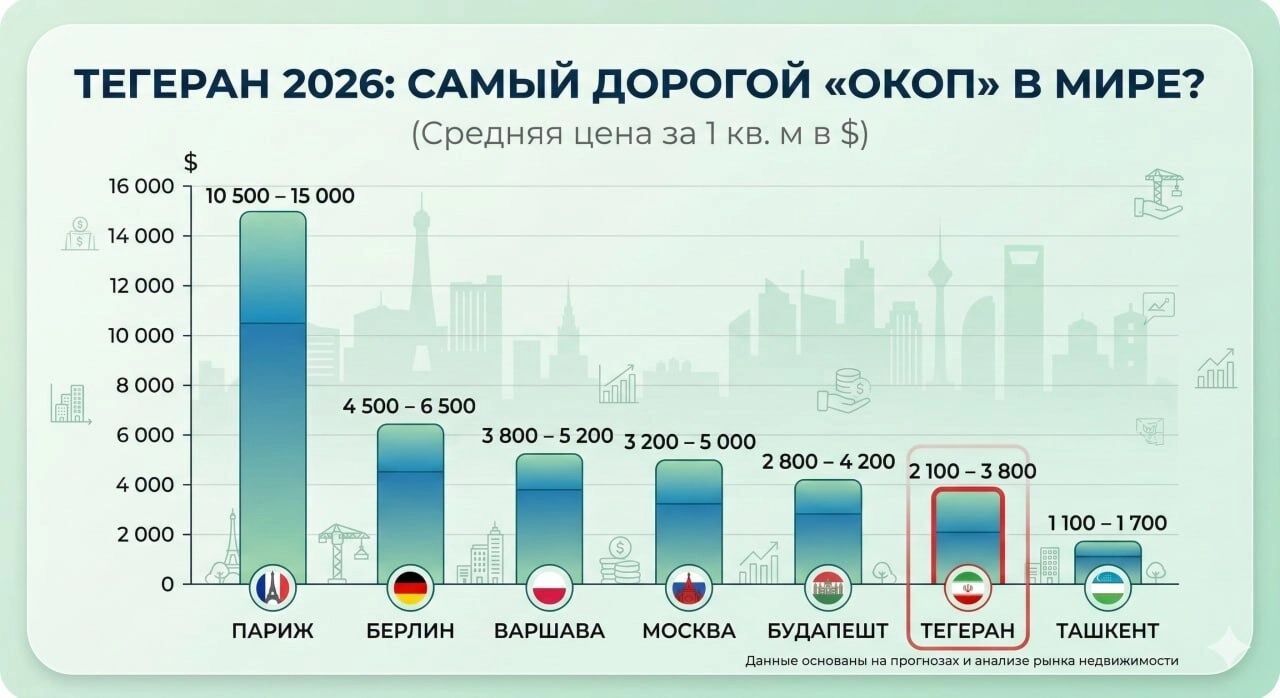
To understand the scale of prices in Tehran, it is necessary to look at the global map of real estate prices in March 2026. At the top of the ranking traditionally remains Paris, where the price per square meter ranges from $10,500 to $15,000. The French capital maintains its status as a market of consistently high luxury, remaining virtually unattainable for most investors and keeping its price level due to a limited historical stock.
The German market, represented by Berlin, is currently undergoing a correction phase after a period of growth, with prices ranging from $4,500 to $6,500. At the same time, Warsaw is showing an active rise: due to high demand, the cost of housing in the Polish capital has stabilized at $4,300 to $4,700.
Moscow in March 2026 is characterized by currency volatility and a shortage of offers, with the average cost per meter ranging from $3,200 to $5,000. Against this backdrop, Tehran, with its price range of $2,100 to $3,800, appears as an isolated investment "safe," where asset values are rising contrary to external logic. Closing the comparison is Tashkent, which is experiencing a construction boom and remains affordable with prices from $1,100 to $1,700.
Geography of Prices
The main driver of exorbitant prices is the lack of alternative investment instruments. In the context of isolation from global stock markets, Iranians are literally saving capital "in bricks." This creates excess demand, even when the purchasing power of the population is declining.
The Tehran market is extremely heterogeneous and clearly divided into zones:
Northern districts (Elahiyeh, Niavaran): An oasis of luxury, where the price per meter can reach $4,500 to $7,000. Properties here are aimed at the elite and are comparable in price to housing in Madrid or Lisbon.
Central neighborhoods: A business hub with modern apartments. Prices range from $2,200 to $3,000, making them direct competitors to the residential areas of Moscow.
Southern outskirts: An area of relatively affordable housing ($800 to $1,200), however, even here the entry threshold remains unaffordable for most citizens.
"Golden Concrete": Where the Most Expensive Meters of Tehran Are Located
As a vivid illustration of the market anomaly, it is worth considering the elite segment concentrated in the northern foothills of the Alborz Mountains. The areas of Elahiyeh and Zafaraniyeh, as well as the famous Fereshteh Street, have turned into the Iranian equivalent of Beverly Hills. Here, the cost of real estate is completely detached from the economic reality of the rest of the country.
In the most prestigious residential complexes, such as Chenaran Palace, the price per square meter in March 2026 reaches $7,000 and above.
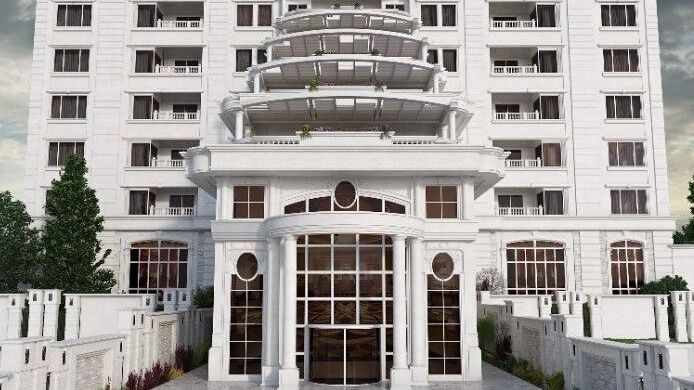
Penthouses ranging from 300 to 600 square meters are valued at $3–5 million, while exclusive lots with custom designs, private rooftop pools, and helicopter pads can be listed for $10 million. The infrastructure of such properties includes lobbies over five meters high, private cinemas, and large fitness centers. However, a significant portion of these properties remains vacant, serving as "gold bars."
The real estate market in Tehran is characterized by a colossal gap between the north and south. While the northern part of the capital is a showcase of luxury, the southern outskirts represent an area of severe discomfort, where housing prices are several times lower than the city average.
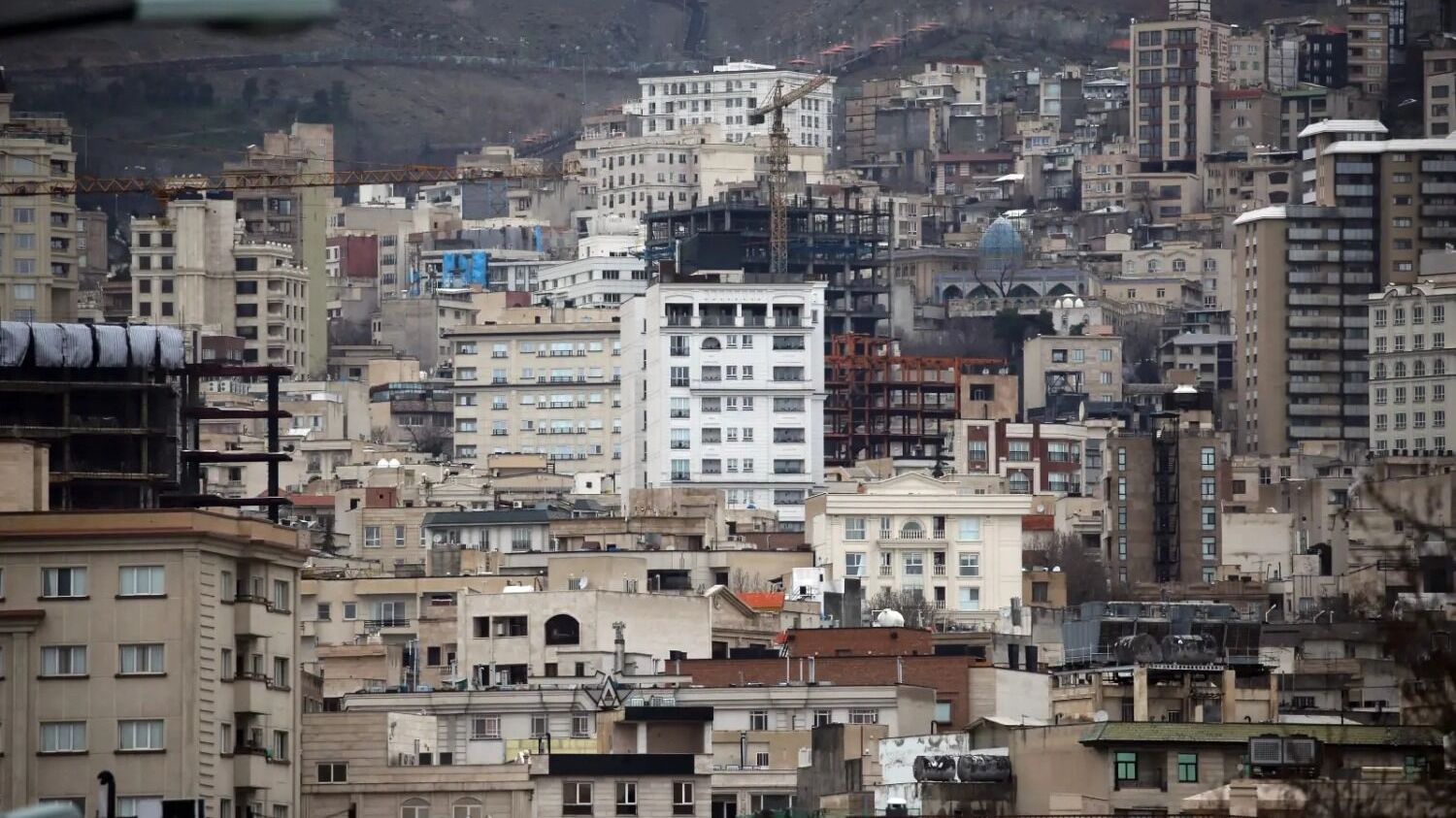
Areas like Naziabad, Yaftabad, or the outskirts near Behesht-e Zahra Cemetery are territories with extremely dense construction, worn-out communications, and a complicated ecological situation due to proximity to industrial zones. In the most depressed neighborhoods, the price per square meter in March 2026 fluctuates between $800 and $1,200. These are old brick houses, often built without adhering to modern seismic standards. Apartments here have minimal space, and natural lighting is limited due to extremely narrow streets. There are virtually no park areas, and social facilities are overloaded. At the same time, even such prices remain unaffordable for many Iranian families whose incomes do not keep pace with the devaluation of the rial.