
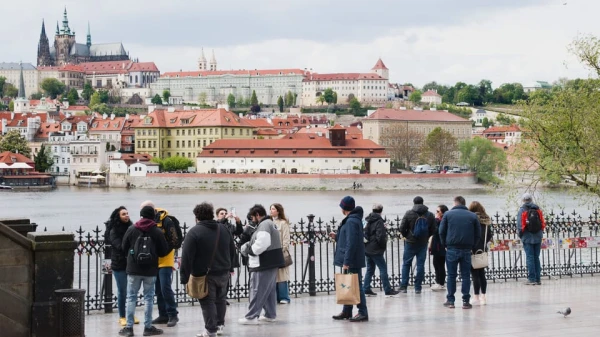
More people – more economic activity.
The Czech state agency for tourism support, CzechTourism, considers the low number of overnight stays and the lack of knowledge about the attractiveness of regions to be the main problems hindering the development of tourism.
This year, CzechTourism will manage a budget of 402 million crowns (16.6 million euros), allocated from the funds of the Czech Ministry of Regional Development, which is 10 million crowns (412.5 thousand euros) less than in 2025. Additionally, the agency expects to receive another 14.5 million crowns (approximately 598 thousand euros) from planned own revenues.
Tourism in the Czech Republic is not a "pleasant addition to the economy," but a full-fledged systemic sector. It provides jobs for every 24th resident of the country and contributes a larger share to GDP than agriculture. For some regions, it is literally the economic backbone – primarily for the Karlovy Vary Region and Prague, as well as for the South Bohemian and South Moravian Regions. It is there that both the contribution to gross value added and employment are particularly high.
As CzechTourism director František Reis Müller stated at a press conference, looking at the dynamics of the last 13 years, the overall picture is positive: except for the COVID pause, tourism in the Czech Republic has been steadily growing. The number of arrivals and the total number of overnight stays are also increasing. According to the Czech Statistical Office, last year, the country hosted 23.55 million guests, which is 3.2% more than the previous year. Tourists spent 59.1 million nights in collective accommodation, which is 3.3% higher than the previous year's figure. Growth has been recorded among both foreign and domestic tourists.
"Overall, we are satisfied when it comes to the number of tourists in the Czech Republic, but we have room for improvement in the length of stay. Our goal is to increase the duration of trips so that the number of overnight stays grows faster than the number of arrivals, to put it simply. Therefore, there is no complete satisfaction here, because over the past 13 years, the average length of stay has remained roughly the same – about 3.5 days. We would like tourists to stay longer, as the more time they spend with us, the higher the likelihood that they will visit other regions of the Czech Republic," commented František Reis Müller in response to a question from Radio Prague International.
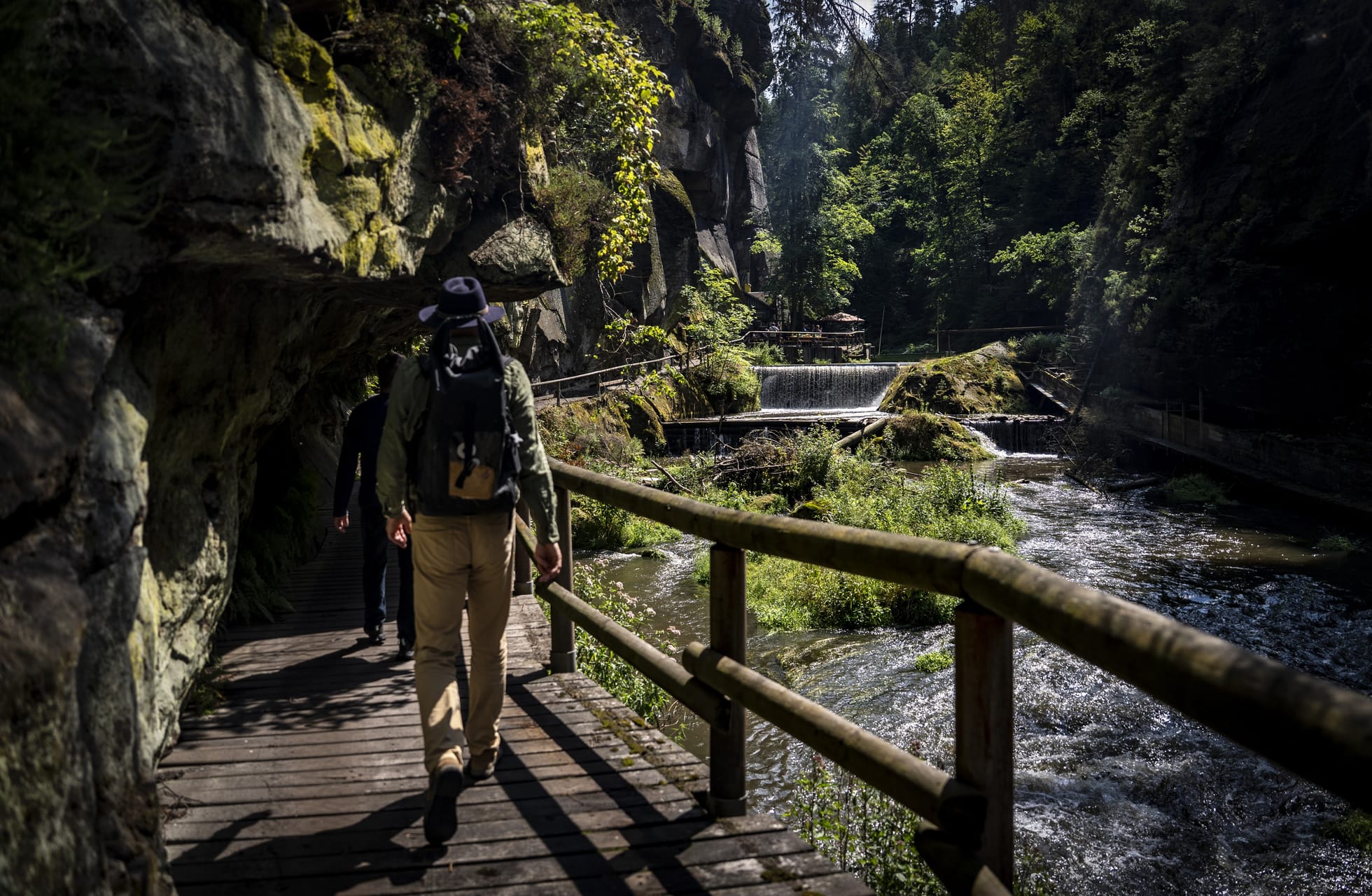
This is an important indicator: more people mean more economic activity. But there is a nuance. The average length of stay is practically unchanged. Currently, the average trip duration for guests from Europe is 3.7 days. According to economist Štěpán Krčmář from BH Securities, foreign tourists spend an average of 2.45 nights in the Czech Republic. This means that people are arriving more often, but staying for about the same amount of time. Thus, the potential for growth, as Reis Müller believes, is not yet exhausted, and in the future, CzechTourism intends to focus specifically on increasing the average length of stay for tourists.
The distribution of tourists by region remains relatively stable. Prague confidently leads, while other regions follow with a noticeable gap. The strategic task here is to accelerate growth specifically in those regions that are currently at the lower end of this "tourist spectrum." Otherwise, the capital will continue to attract the main flow.
The balance between domestic and foreign tourists is interesting. Historically, there have been slightly more Czechs traveling within their country than foreigners. In 2019, the ratio almost approached 50 to 50. By 2025, the number of foreign guests exceeded pre-COVID levels, while domestic tourism remains stable: Czechs continue to actively vacation at home. However, the domestic travel market is close to saturation. If the country wants to grow – in terms of arrivals and overnight stays – the key lies in external markets.
Germany – the leader in inbound tourism
Undoubtedly, the economic effect of inbound tourism is of interest to the country. The country's contribution to the tourism economy is calculated simply: the number of overnight stays is multiplied by average daily expenses. By this measure, Germany remains the largest market. Next are the United Kingdom and the USA, as well as other European countries. Interestingly, countries with fewer tourists, such as China, also make it onto the list of leaders in economic impact. The reason is simple: higher average spending per traveler.
"German tourists are undoubtedly a solvent audience, especially considering their numbers. They leave significant amounts of money in the Czech Republic. This is a very diverse group: among them are hiking and cycling enthusiasts, as well as those who come for cultural experiences or to the West Bohemian resorts – especially since this is a border region.
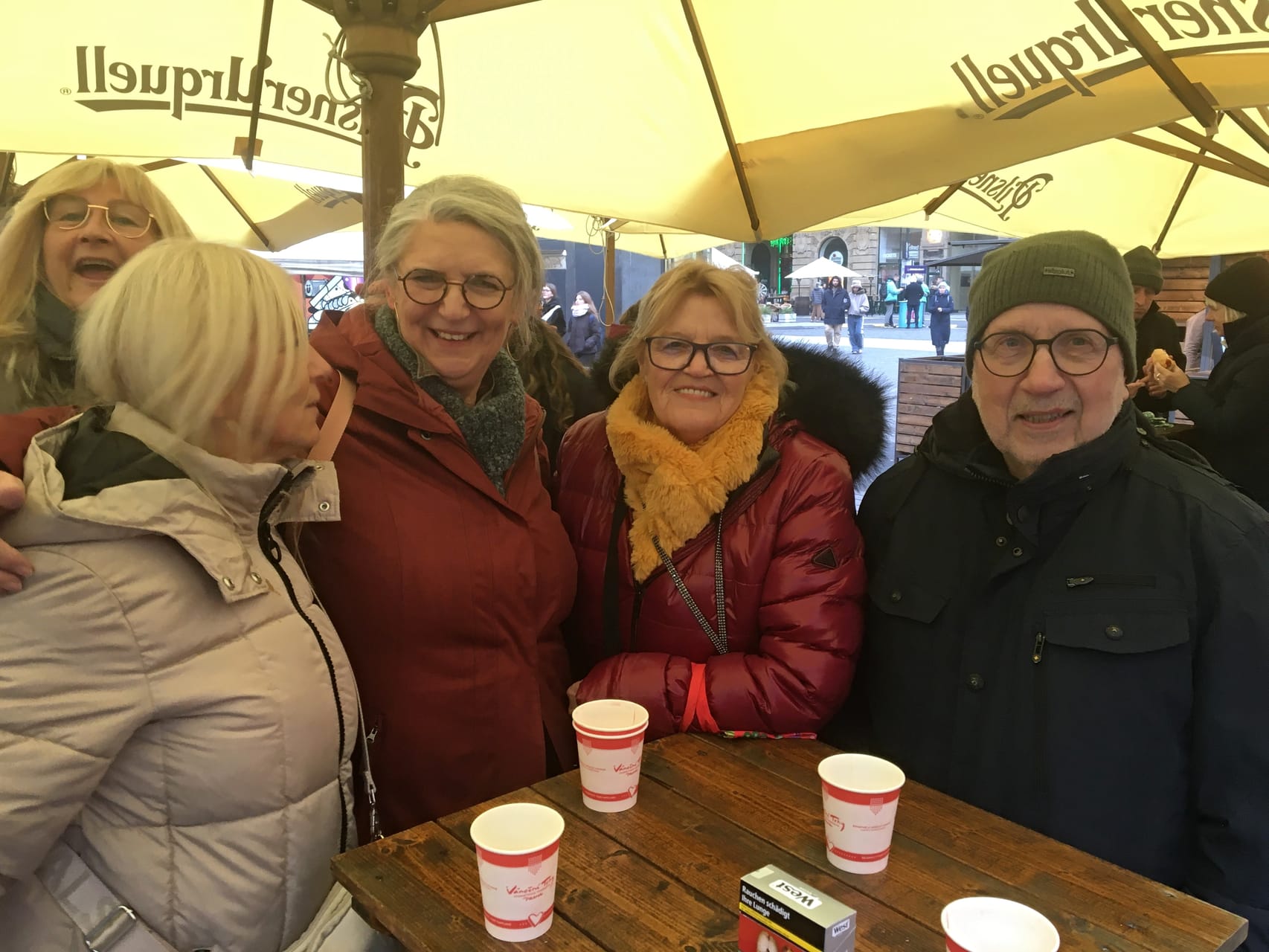
The advantage of German tourists is that most of them have already been to our country; they are familiar with it, and there is great potential to show them other regions they have not yet visited. This could support less popular destinations within the Czech Republic. One drawback is that the overwhelming majority of German tourists come from just two or three federal states – primarily from Bavaria and Saxony, as well as from the region around Berlin. In fact, these two states account for about 90% of the entire flow. The further west in Germany, the less they know about the Czech Republic. Moreover, one study showed that residents of some western federal states still sometimes believe that Czechoslovakia exists. This is, of course, a problem. There is huge potential there, and we need to work more actively in this direction, although we are primarily focusing on the most promising and profitable regions," continues František Reis Müller.
If we translate all this into dry billions of crowns, the balance of power hardly changes: Germany remains the key market, followed by the United Kingdom, the USA, and other developed economies. The only difference is how much a tourist spends before, during, and after the trip.
Feel Free in the Czech Republic
As mentioned above, CzechTourism's budget will decrease by 10 million crowns (412.5 thousand euros) this year. Almost half of the funds will go to operational expenses, including maintaining foreign offices. The second-largest expense item will be marketing campaigns and promoting the Czech Republic on social media and online platforms – about 91 million crowns (3.75 million euros) is allocated for this. In particular, approximately 3 million crowns (123.7 thousand euros) is earmarked for supporting direct flights from Toronto.
"Cooperation with airlines is another important area of our work. In 2025, we supported existing direct flights and those routes that are just developing. Last year, a flight from Toronto to Prague was announced, so at the end of the year, we conducted a small campaign to support this route, which will begin operating before this summer season. As part of a memorandum of cooperation with the Bavarian Tourist Center, we organized press tours for journalists – it is important for us to be visible in the international arena. And, as they say, last but not least – the so-called event cooperation. We have been working long-term with the largest sports and cultural events in the Czech Republic and use them as a tool to promote the country abroad. An example is the Czech Tour cycling race, which has been actively developing in recent years, and with which we also collaborated. Thanks to the fact that the organizer of the Tour de France, ASO, received a contract for media coverage of the Czech race, broadcasts through their channels allowed us to reach nearly one billion households worldwide. The race was broadcast on sports channels in various countries, and during these broadcasts, our logos and promotional elements were present. We also attract famous personalities. For example, you can find videos where Plácido Domingo talks about the beauty of the Czech Republic and invites his fans to visit it. The advantage of such events is that they not only enhance the country's international recognition during the event itself but also provide an opportunity to collaborate with so-called ambassadors – public figures who can then reach out to their audience and draw their attention to the Czech Republic."






Leave a comment