
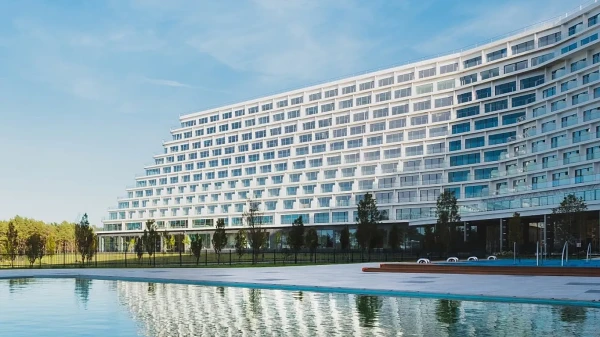
Apartments are increasingly being converted into rental housing for shift workers.
The Russian real estate market entered the stage of "great stratification" in 2026. An analysis of current construction and urban planning mistakes allows us to identify five categories of housing that have no future.
Vertical Dead End: The Trap of the 25th Floor
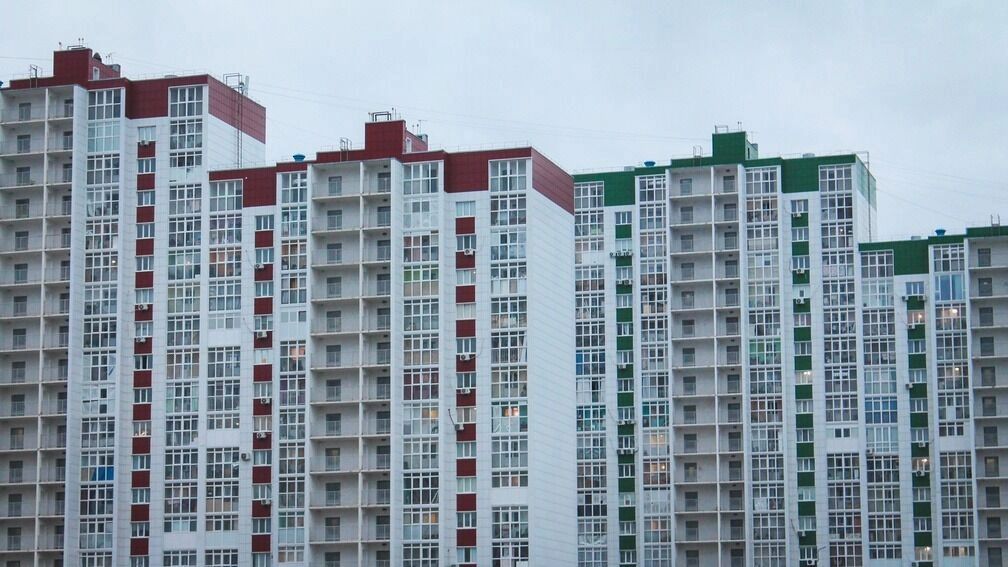
The biggest time bomb is buried in ultra-dense residential complexes. Murino, Kudrovo, or New Moscow were built on the principle of "maximum meters per hectare."
Technical Problems:
Elevator "crisis of the decade": In such buildings, one elevator serves up to 100–120 apartments. According to the regulations of manufacturers (for example, Otis or ЩЛЗ), under such a load, the resource of the winches and electronics is exhausted 1.5 times faster. By 2026, the "first wave" houses (completed in 2012–2015) will reach the end of their operational life before the first major repair. Replacing one unit costs from 3 million rubles, and the capital repair funds for new houses do not yet have such money.
Wear of engineering units: Due to population density, pumping stations and transformers operate at 90-95% of their peak capacity. According to housing and utilities monitoring data, this leads to a 15–20% increase in accidents annually after the first 10 years of the building's service.
Facade decay: In budget high-rises, cheap ventilated facades were often used. According to expert assessments, after 10–12 years, the insulation (mineral wool) inside such facades begins to sag or delaminate, leading to wall freezing and mold appearing in apartments, which cannot be eliminated locally.
Metal Fatigue: The Agony of Panel Outskirts from the 70s
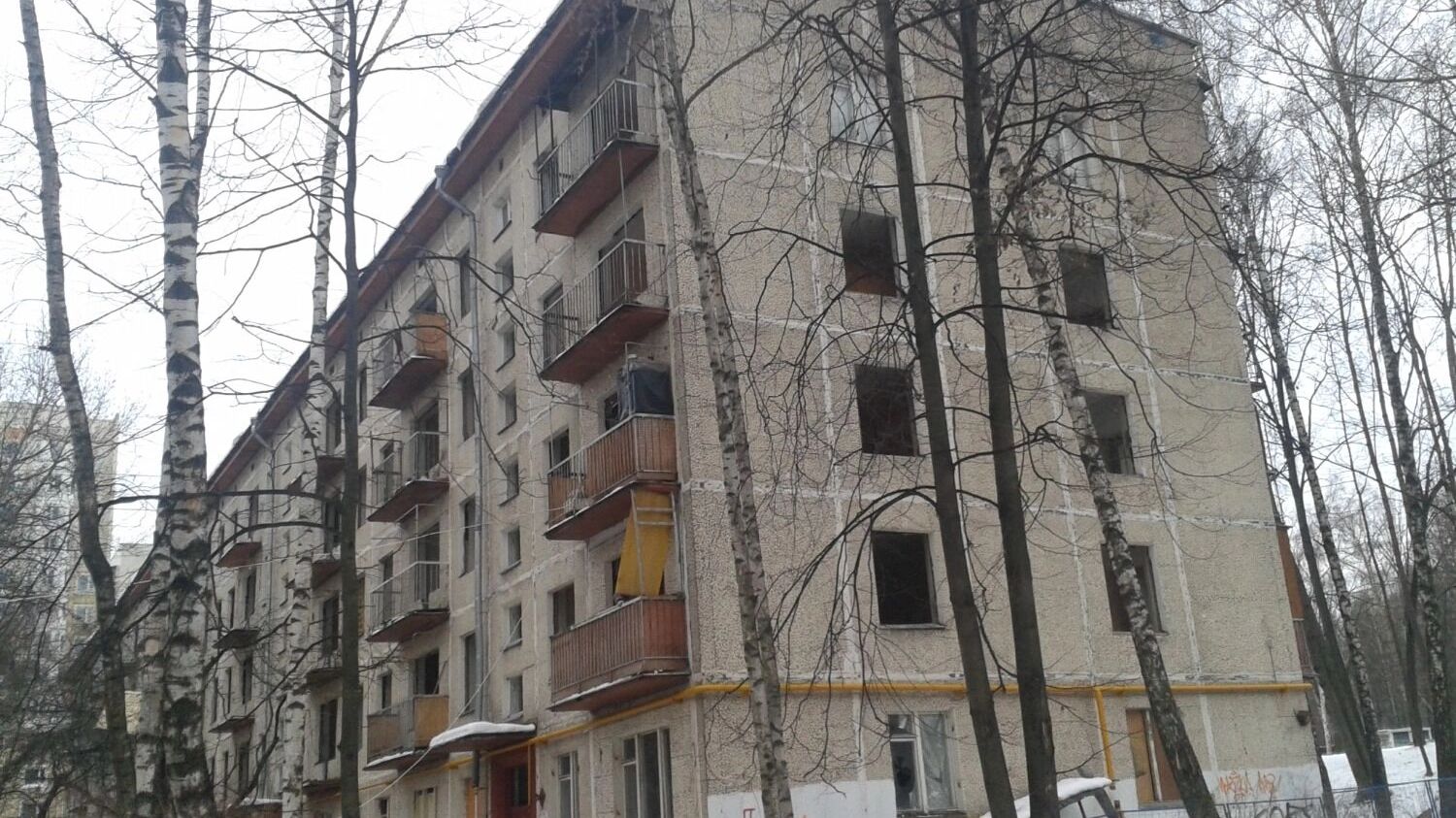
In the regions of Russia, the old panel housing stock (series I-515/9, II-49 and their analogs) is becoming the main financial drain. While in Moscow these houses fall under renovation, in the provinces they are left to their own devices. This housing, whose resource was calculated for 50 years, has effectively reached the end of its lifespan.
According to Rosstat, the volume of dilapidated housing in the country grows by millions of square meters annually, and the lion's share of this increase is panel nine-story buildings. By 2035, living in them will become a matter of personal safety, as it will no longer be possible to hide the physical wear of structures behind cosmetic repairs in the entrance.
Technical Problems:
Corrosion of embedded parts: A panel house relies on steel welded connections. After 50 years in an aggressive environment (condensate, leaks), the corrosion layer on the connections reaches 1.5–2 mm, which, given the overall thickness of the part at 10–12 mm, means a loss of load-bearing capacity of 40–60%.
Energy dead end: Aluminum wiring from the 70s is designed for a load of 1.5–2.5 kW per apartment. Modern consumption averages 6–8 kW. Constant overheating of wires inside the walls makes such houses leaders in fire statistics due to short circuits (up to 35% of all cases in the residential sector).
Throughput of pipes: Steel water supply risers and cast iron sewage systems have accumulated a layer of deposits over half a century, narrowing their cross-section by 70%. This makes it impossible to maintain normal water pressure on the upper floors even with powerful pumps installed in the basement.
Warehouse Syndrome: Housing for Temporary Workers in the Industrial Ring
This type of construction has become a scourge, for example, in the Moscow region and the outskirts of major logistics hubs (Lyubertsy, Kotelniki, areas near airports and the Central Ring Road). Residential complexes are built close to gigantic warehouses and distribution centers. Initially, buyers are attracted by the proximity to work and prices that are 15–20% lower than in "clean" residential areas.
The area loses its "own" residents, turning into a transit zone where no one is interested in maintaining order or developing the environment. According to forecasts, by 2035, such residential complexes will become enclaves with the lowest level of social control and liquidity.
Technical Problems:
Noise and vibration wear: Background noise in such areas (operation of powerful refrigeration units in warehouses and round-the-clock movement of heavy trucks) is 65–75 dB, exceeding sanitary norms for housing by 30%. Constant micro-vibration from heavy transport accelerates the formation of cracks in finishes and building structures, while cheap economy-class double-glazed windows cannot block low-frequency hum.
Extreme air pollution: The concentration of fine dust (from the wear of brake pads and truck tires) and nitrogen dioxide in "warehouse" areas is 2.5–3 times higher than in regular residential areas. This leads to ventilation systems in houses clogging four times faster than the regulatory period, and their cleaning is almost never conducted centrally.
Transportation degradation of roads: Internal driveways, not designed for the weight of multi-ton trucks that inevitably enter residential areas for turning or parking, become unusable within 3–4 years. The cost of capital repairs for such roads is several times higher than for regular ones, which places a heavy burden on municipal budgets or the pockets of residents.
Erosion of engineering networks: Soils in areas of former industrial enterprises and warehouses often have increased aggressiveness (due to past spills of fuels and chemicals). This accelerates the corrosion of underground communications (water supply pipes and cable lines) by 1.5 times compared to "clean" areas.
Apartments: Temporary Shelter or Investment Trap?
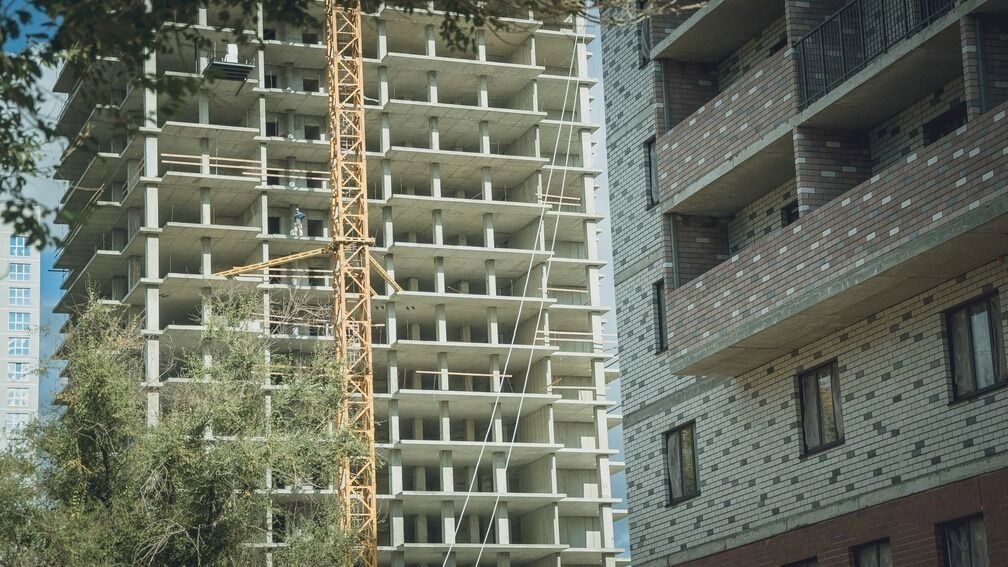
Micro-apartments have become a workaround for developers: they are not subject to sunlight regulations and school provision requirements. Families live for years in a hotel format, hesitating to have children due to lack of space and social guarantees.
Technical Problems:
Ventilation dead end: In pursuit of dividing spaces into lots of 12–18 sq. m, developers combine ventilation ducts of dozens of studios. This leads to the "flow effect" of odors and microbes. The level of CO2 in such corridor systems exceeds the norm by 2 times after just 3 years due to rapid clogging of common filters.
Sound insulation deficit: Walls between apartments are often built from lightweight blocks. The sound insulation index here is 10–15 dB lower than in residential buildings. Constant acoustic discomfort provokes a colossal turnover of residents, turning the building into a "vertical train station."
Tariff trap: Since the building is not residential, electricity and water tariffs for owners are 15–25% higher. By 2035, maintaining such a "micro-meter" will become economically unfeasible against the backdrop of rising resource prices.
Elite Illiquidity: Monuments to Engineering Chaos of the 90s
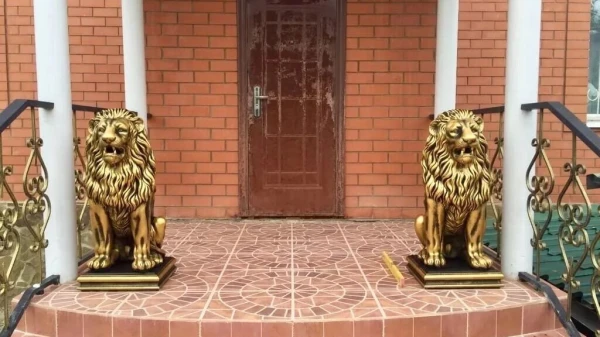
Completing the list are private brick giants with towers and golden lions. These houses were built without considering energy efficiency, when gas was cheap, and the concept of "ergonomics" was unknown. Today, they are the hardest objects to sell: young people choose functional minimalism, while the old guard cannot cope with taxes.
Technical Problems:
Engineering incompatibility: In the 90s, communications were assembled "from what was available" — copper pipes could coexist with steel ones, causing electrochemical corrosion. By 2035, such systems will require complete replacement, which with "author's" finishing will cost 30–40% of the total cost of the house.
Heat losses and "cold bridges": Despite thick walls, the absence of modern insulation and huge windows leads to the fact that heating a 500-square-meter "castle" requires 4-5 times more energy than a modern cottage.
Complexity of systems: Individual boilers and complex water purification systems from that time are no longer produced. The breakdown of one part requires the complete replacement of the entire unit, costing hundreds of thousands of rubles.









Leave a comment