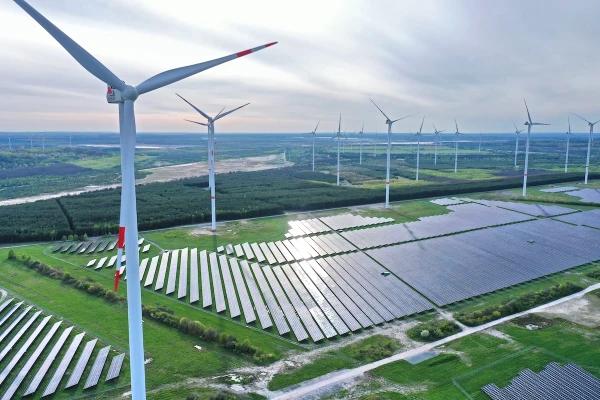
In the first half of 2026, a General Declaration of Intent is being prepared for signing between Germany, Lithuania, and Latvia — at the level of the ministries of energy. The Baltic-German PowerLink being created "would contribute to increasing installed capacity and improving infrastructure in the Baltic Sea region."
Wind, Wind, You Are Mighty
The goals and objectives are in the spirit of the EU's "Green Deal" and Brussels' geopolitics. "There is a willingness to gradually cease the use of fossil fuels (especially from Russia) and continue the development of offshore wind energy."
Our Cabinet of Ministers approved the national position "On the Gradual Refusal of Importing Russian Natural Gas, Improving Oversight of Potential Energy Dependence" back on April 9, 2024. In fact, Latvia has not been purchasing a single cubic meter from Russia for a long time — but now it will monitor partners even more closely...
Now, according to the schedule, a decision on the mutual connection of the energy systems of Germany and the Baltics is planned for the third quarter of 2026, as well as the financing of this scheme. At the same time, the upcoming declaration "remains open for EU member states bordering the Baltic Sea to join."
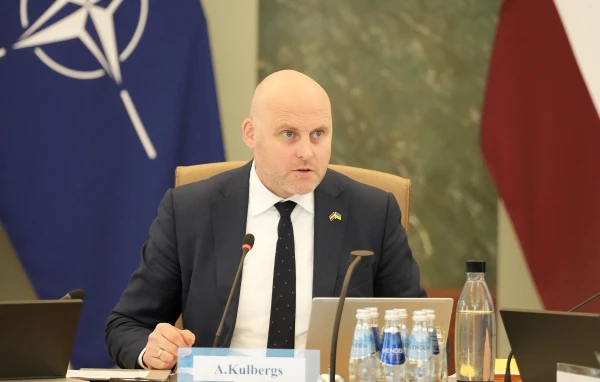
As indicated in the document sent for approval by the Minister of Climate and Energy Kaspars Melnis ("New Unity"), the planned connection with Germany will be "hybrid." That is, quite flexible.
Berlin Takes a Risk
This is not surprising: according to experts, Germany's energy sector is undergoing a complex transition period in 2025–2026, characterized by high energy costs, infrastructure transformation, and increased security risks. Although the system remains stable overall, the country faces serious challenges and local power supply disruptions.
Here are the main risk factors:
-
High prices and reduced competitiveness: after losing cheap Russian gas, Germany's industry pays several times more for electricity than competitors in the USA or China. This contributes to economic stagnation.
-
Dependence on volatile sources: formally, the transition to renewable energy is progressing quickly, but there is a lack of capacity to meet demand during periods of calm and lack of sunlight.
-
Slow infrastructure development: bureaucracy slows down the construction of new networks and wind farms.
-
Phase-out of nuclear power and coal dependence: the closure of the last nuclear reactors has increased the load on coal and gas stations, contradicting climate goals, although in 2025 renewable energy sources took the lead.
-
Risks of sabotage: Critical infrastructure is under attack. In early 2026, a multi-day blackout occurred in Berlin due to the arson of a substation.