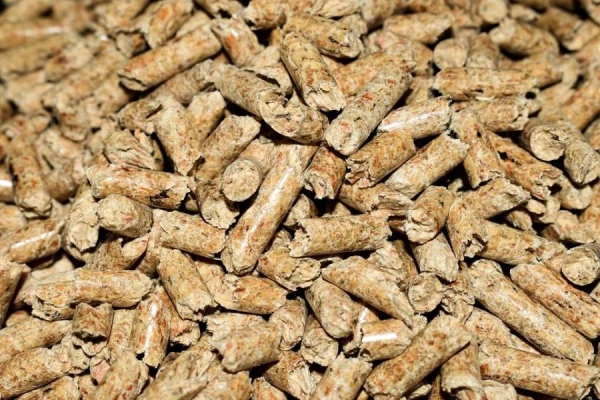
"In Latvia, the production volumes of wood chip pellets will not grow - we have already reached the ceiling. If another pellet production plant is built, the competition for raw materials will intensify and as a result, production will become unprofitable," predicts Didzis Palejs, chairman of the board of the Latvian Biomass Association 'LATbio' and sales director of 'Timbro' LLC, as reported by Latvijas Avīze.
In his opinion, an exception is only possible if the price of pellets rises significantly and raw materials begin to be used, for example, firewood or even so-called paper wood, which is available in regions far from ports. However, if prices remain the same, there will likely be no new pellet production facilities in Latvia.
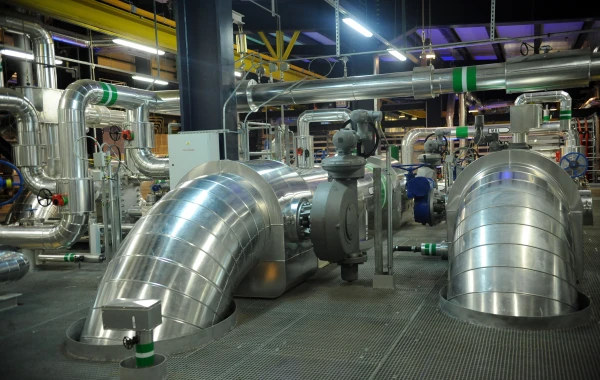
Currently, there are more than 20 plants producing wood chip pellets in Latvia. Nine of them produce over 100,000 tons of pellets per year. The total output is approximately 2 million tons per year. Of this volume, only about 250,000 tons are consumed domestically, while the rest is exported, mainly to Scandinavian countries.
"Pellet production in Latvia began in the mid-1990s. The first plant in Talsi was built next to the sawmill 'Wika Wood', established by Swedish investors. Since then, pellet production in Latvia has rapidly developed, and it all started with Swedish knowledge. I myself began actively working in the woodworking industry after 2000, but I know that Latvian entrepreneurs and local specialists had already mastered pellet production so well by the late 1990s that they were invited to Sweden to share their experience - effectively teaching former teachers how to make production more efficient," said Palejs.
The Latvian Biomass Association 'LATbio' was established on February 25, 2008, and unites pellet producers with national capital (actually all except for the former 'LatGran' plants, which now operate under the Estonian brand 'Graanul Invest'). During its existence, the association has established cooperation with wood research institutions, including the Latvian State Forest Research Institute 'Silava' and the Institute of Forest and Wood Products Research and Development, to obtain factual data for preparing proposals to the government and informing the media. The association also actively participates in the activities of the European Bioenergy Association 'BioEnergy Europe', as it sees this as an opportunity not only to keep up with current information on industry developments and changes in EU regulations but also to engage in regular experience exchange.