
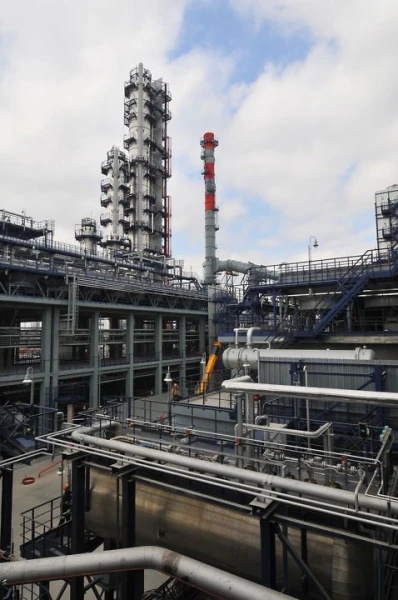
The undervaluation of prices has cost the state trillions of dollars in lost profits.
Russia may have lost "trillions of dollars" due to the undervaluation of Russian oil and petroleum products by international agencies, said Igor Artemyev, head of the St. Petersburg International Commodity Exchange. "I am convinced that even during Soviet times and now, Russia has lost not billions, but trillions of dollars due to the undervaluation of Russian oil and petroleum products. For many decades, this has simply been a trend; we were told that something was being formed there on global markets. I think that here, considering the opacity of the pricing calculations, very serious conditions for manipulation are being created," Artemyev said in an interview with the Russia 24 television channel.
According to him, international pricing agencies calculate quotes for Russian oil based on presented methodologies, but how exactly the calculations are made is unclear. In response to this issue, the St. Petersburg Commodity Exchange is promoting the creation of Russian price indicators. Earlier, Artemyev announced the establishment of a National Exchange Pricing Agency. He noted that the sources of information for it would be liquid exchange trading, including data from the futures market, as well as prices from participants, over-the-counter data, and external sources — industry departments, ministries, associations, and unions. Artemyev emphasized that the creation of a domestic pricing agency would increase tax revenues to federal and regional budgets, as the state would collect "fair" taxes calculated based on domestic commodity indicators.
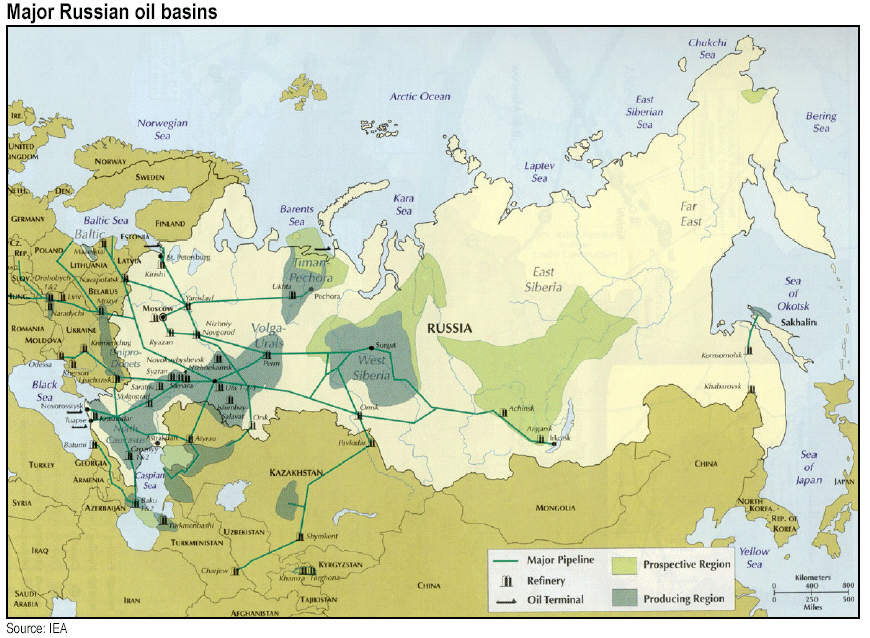
Meanwhile, according to Reuters, oil production at some Russian oil companies has become unprofitable due to discounts they offer to buyers in India and China. Previously, the price of the Russian Urals grade fell to $33–34 in the ports of the Baltic and Black Seas. This is the lowest level since the pandemic. At the same time, the discount to Brent reached $27 per barrel. As a result, the oil industry found itself on the brink of profitability, and a number of oil projects have already gone "into the red," partly due to the complexity of extraction, noted BCS analyst Kirill Bakhtin. Fields that continue to operate profitably are those subject to a preferential mineral extraction tax (MET) rate, as well as old fields in the Volga region and Western Siberia.















Leave a comment