
While the final growth of Latvia's gross domestic product (GDP) for this year has not yet been calculated, it can be assumed that the result will be better than last year, writes Nra.lv.
According to the Central Statistical Bureau, in the third quarter, GDP at constant prices grew by 2.5% year-on-year (data unadjusted for seasonal and calendar effects). Compared to the previous quarter, GDP increased by 0.6% (seasonally and calendar adjusted). The manufacturing industry made the largest contribution to GDP growth.
This allows for the expectation that the economy will show growth by the end of the year, albeit small, unlike in 2024, when a decline of 0.4% was recorded. It is estimated that GDP growth in the outgoing year may reach 1.5-2%.
The chief economist of Citadele Bank, Karlis Purgailis, notes that this year has been one of the best for the Latvian economy in recent times: after several years of stagnation, it has begun to grow again. Growth has been supported by factors that have strengthened both entrepreneurial activity and consumer spending. Despite inflation in Latvia still being above the European average, wages have been rising faster, which has improved the purchasing power of residents. At the same time, the expert points out that there are still risks that could affect the pace of further development.
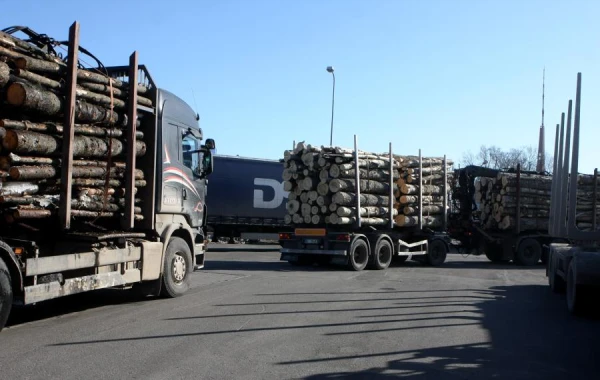
After the decline and stagnation that began in 2021, the economy transitioned to growth in the first two quarters of the current year, which was demonstrated by almost all sectors by mid-year. Production has recovered, driven by demand in both export and domestic markets. Growth has also been noted in the financial sector, services, and forestry - one of Latvia's key industries. A decline has been recorded in the mining and quarrying sectors, as well as to a lesser extent in real estate, trade, transport, and tourism.
Purgailis highlights four main factors for the economic recovery: growth in domestic consumption, an increase in the export of goods and services, a reduction in interest rates by the European Central Bank, and more active utilization of European Union funds. The economist also draws attention to the paradoxical effect of the so-called "Trump's tariff wars," which have turned out to be beneficial for Latvia this year, as American importers accelerated their purchases of goods produced in Europe and other countries.









Leave a comment