
The Consumer Rights Protection Center (PTAC) will spend €239,508 next year on cooperation with colleagues from the European Union. Why is this necessary?
What Are We Complaining About?
The European Consumer Centres Network (ECC-Net) won't be bored with Latvia — last year, our republic submitted 1,232 information requests and 755 complaints were processed.
Most often, the ECC helps Latvians deal with online purchases — from legitimate stores to fraudulent platforms. Cases involving airlines are also addressed — delays and cancellations of flights, baggage issues. In the context of tourism, "fake" bookings and poor car rental service are also relevant. The entertainment industry contributes with canceled concerts. The ECC's area of activity extends across the entire European Union, as well as to Norway and Iceland, and an agreement has been made with the United Kingdom.
According to the ECC, 58% of inquiries from Latvia were "successfully resolved," achieving satisfaction for both parties without the need to go to court. Surveys show that 93% of clients were satisfied with how this protocol works.
Economy Minister Viktors Valainis noted in a document that the government is reviewing today that European defenders also "inform the national supervisory authority about systematic cross-border violations of consumer rights." Moreover, the ECC-Net constantly conducts various seminars and training in Latvia, and Brussels reimburses a third of our expenses. Overall, it’s a profitable endeavor that should continue...
Come In, Subscribe, Buy Paintings
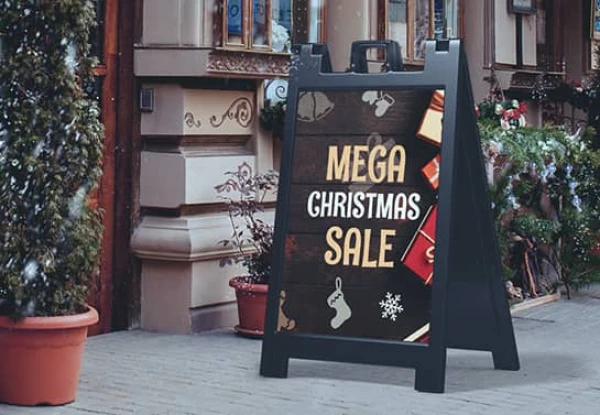
For its part, our Consumer Rights Protection Center has gathered the most striking examples of misleading prompts for buyers in online stores ahead of the mass Christmas sales — and urges not to fall for them:
-
Upon entering the e-store, bright announcements appear on the screen — "discount ends after 02:14!"; "Only 3 units left!"; "12 people are viewing this product!"; "Just purchased!" and so on.
-
In the "Cart" section, the buyer sees additions, but they are distracted by an intrusive offer to join the loyalty program, and only in small print at the bottom does it say that it is possible to continue shopping without signing up.
-
When the buyer reaches the payment section, the final amount for the selected item increases, as it turns out there is a fee for not reaching the minimum amount.
Recommendations from PTAC:
-
Don’t rush to purchase, especially if you feel a sense of urgency being created;
-
Check the price before payment — perhaps in another store, this item costs less;
-
Don’t forget about the possibility of canceling an account or subscription registered on the website, which constantly bombards you with advertisements.
However, a rather pressing question remains off the record — why are prices for many goods in popular retail chains in our republic significantly higher than the price list for similar items in Western countries, in stores of the same brands? What is particularly frustrating, considering the much higher wage levels in "Old Europe." This is what contributes to what is called a low standard of living — and politicians seem to have forgotten their promises to lower prices in supermarkets.












Leave a comment