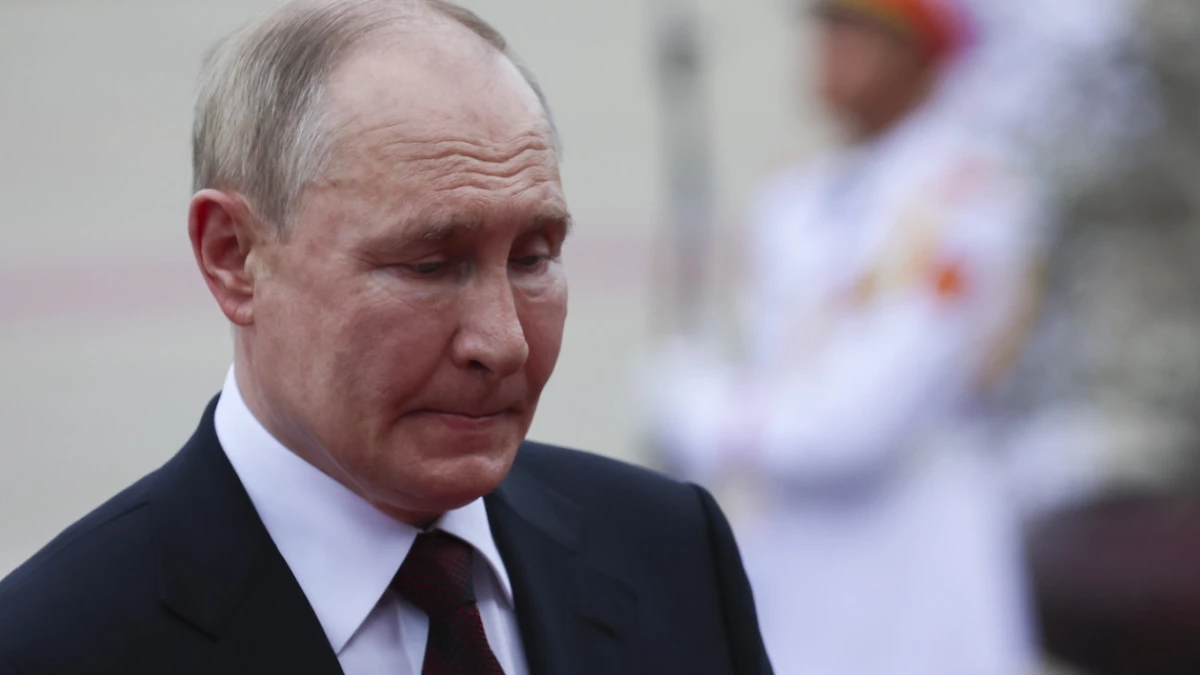
Pro-war "hawks" are urging President Vladimir Putin to end diplomacy mediated by the US and escalate in Ukraine in response to a series of painful strikes by the Ukrainian Armed Forces against Russia, writes Reuters.
According to the "hawks," as noted by the agency, Washington has broken its promise to achieve an end to the war on terms favorable to the Kremlin. Calls for tough measures are not new, emphasizes Reuters: pro-war voices have previously demanded a new mobilization, to start striking European military factories, and even to use tactical nuclear weapons.
But these demands, as Reuters writes, have intensified and escalated again after a series of long-range strikes by Ukrainian forces that affected Crimea and Moscow, causing a severe gasoline crisis in the country and forcing the Crimean authorities to declare a state of emergency on the peninsula in the midst of the tourist season.
"What else needs to happen before we start fighting for real? War means victory at any cost. <…> Why aren’t we using the nuclear weapons that our ancestors developed and stockpiled <…> specifically for this purpose?" exclaimed Konstantin Malofeev, owner of the Tsargrad TV channel, last week after drones struck the Moscow oil refinery.
Sources close to the Kremlin told Reuters that Putin may calmly perceive such rhetoric: Moscow still wants to keep the door open for a possible diplomatic solution.
So far, the Kremlin has not agreed to the hawks' calls to exit the negotiations, although high-ranking officials acknowledge their failure and accuse the US of violating agreements allegedly made by Putin and Donald Trump in Alaska.
Among them is Foreign Minister Sergey Lavrov, who did not rule out that Anchorage was "designed to buy time for rearming" Ukraine. In response, US Secretary of State Marco Rubio stated that no agreements were made with Putin in Alaska. There was only a proposal, but no agreement was reached," he said.
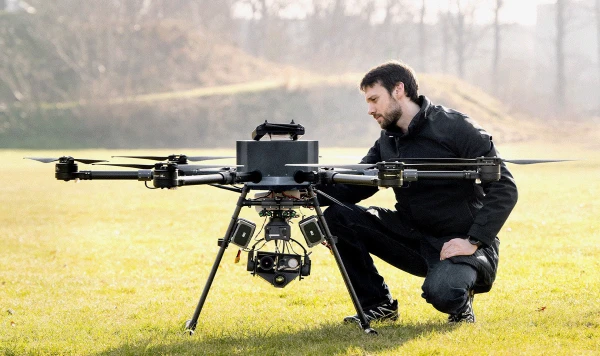
Meanwhile, Ukraine is ramping up strikes: according to WSJ estimates, 8,800 drones have attacked Russian territory and occupied Crimea — twice as many as in January and almost four times more than in the same month last year. In June, the number of confirmed long-range strikes reached a record 32, according to Janes' estimates.
In addition to attacks on oil refineries, which have caused oil processing in Russia to plummet to 20-year lows, Crimea is facing the threat of isolation, where, in addition to gasoline shortages, locals complain about the disappearance of basic goods — from salt to sunflower oil.
Russia can do little to counter attempts to isolate Crimea, notes military expert Ruslan Pukhov: "Ukraine has significantly weakened the air defense system of the Russian armed forces in Crimea, after which it began systematic attacks on vulnerable points — logistics, fuel, energy," The Moscow Times reports.