Sales of such cars are breaking records.
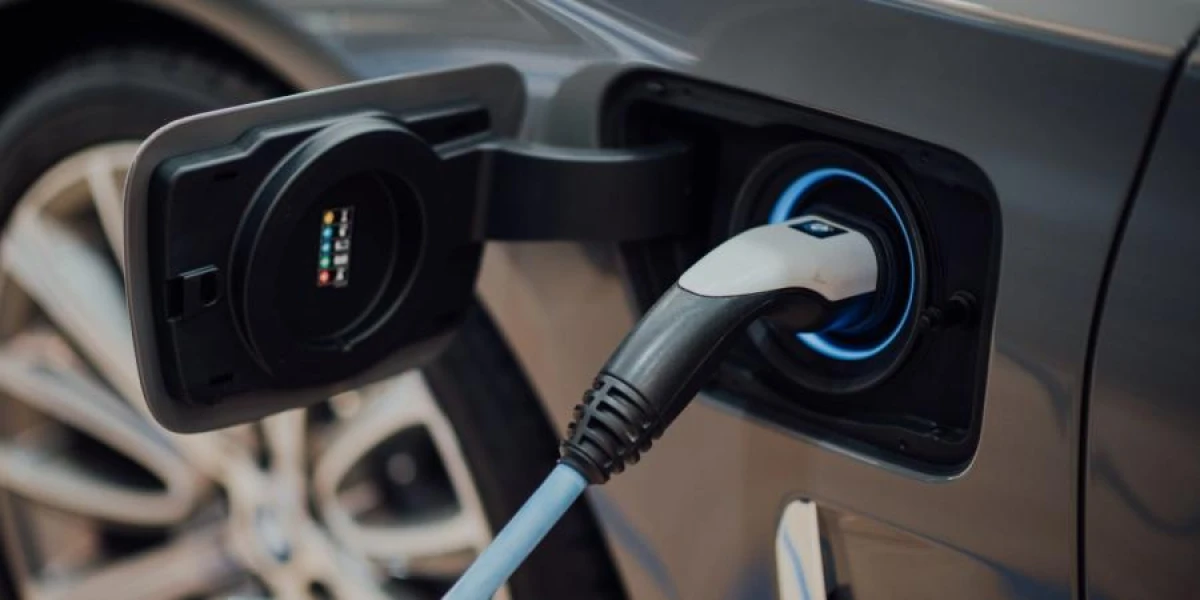
The global electric vehicle market is growing significantly faster than expected: over six years, sales have increased tenfold, reaching approximately 21 million units by 2025. The share of electric cars among new vehicles has risen from 1% in 2019 to 25%, and in certain regions, such as China, it already exceeds 60%, according to Deutsche Welle.
One of the key reasons for this acceleration is the war with Iran, which has triggered a rise in oil and gasoline prices. The increase in fuel costs has forced consumers to reconsider transportation expenses and transition more actively to electric models, where energy costs are lower and more stable.
At the same time, electric vehicles are becoming increasingly affordable: the cost of batteries has decreased to about a quarter of the level from a decade ago. Already in China, electric cars are cheaper than gasoline counterparts, while in Europe and other regions, the price gap is rapidly narrowing due to subsidies and scaling of production.
Operating electric vehicles is also more economical: electric motors use about 80% of energy, whereas internal combustion engines have a significantly lower efficiency. As a result, the costs of traveling on electricity are, on average, 15–60% lower, especially with home charging.
Forecasts suggest that growth will continue: by 2026, sales could reach 23 million cars (about 30% of the market), by 2030 - 38%, and by 2035, more than half of all new cars in the world will be electric.